
Subway, ranked by free sugar
153 items, ranked by free sugar against the NHS daily limit for each age: 30g from age 11, 24g for ages 7 to 10 and 19g for ages 4 to 6.
Free sugar per Subway item
153 items, highest first. % of limit is against an adult’s 30g daily free sugar limit.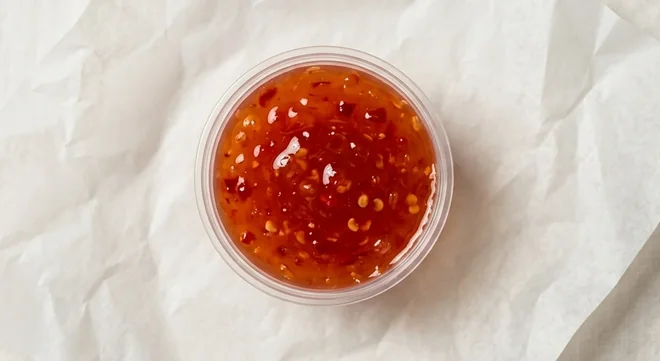 Sweet Chilli Dunk PotSides, protein pots, cookies and dunk potsOver the daily limit69.9g total sugar, 326 kcal69.9g233% of limit2
 Sweet Onion Dunk PotSides, protein pots, cookies and dunk potsOver the daily limit51g total sugar, 248 kcal51g170% of limit3
 Mini Cookies and Caramel DipSides, protein pots, cookies and dunk potsOver the daily limit48g total sugar, 532 kcal48g160% of limit4
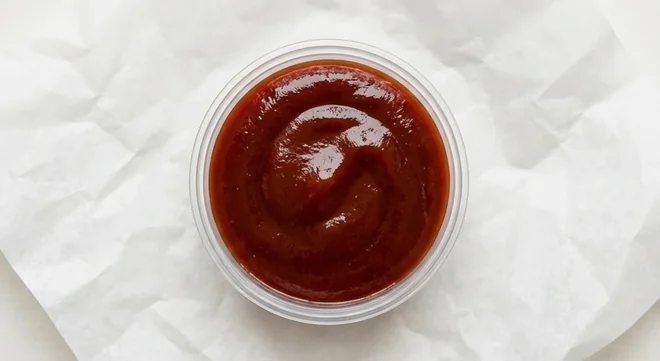 BBQ Dunk PotSides, protein pots, cookies and dunk potsOver the daily limit45g total sugar, 231 kcal45g150% of limit5
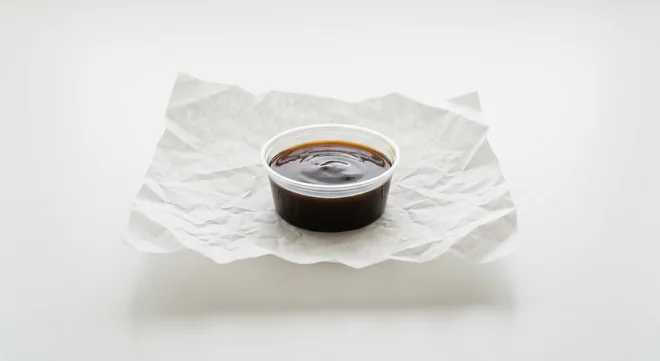 Teriyaki Dunk PotSides, protein pots, cookies and dunk potsOver the daily limit44.2g total sugar, 258 kcal44.2g147% of limit
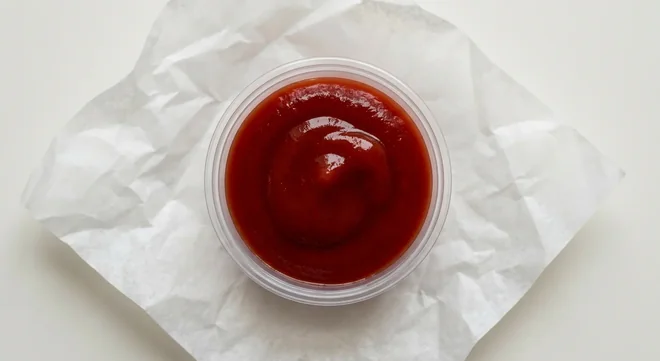 Ketchup Dunk PotSides, protein pots, cookies and dunk potsOver the daily limit34.2g total sugar, 153 kcal34.2g114% of limit7
 Honey Mustard Dunk PotSides, protein pots, cookies and dunk pots24.7g total sugar, 312 kcal24.7g82% of limit8
 Garlic Cheesesteak Footlong SubFootlong subsJoint24g total sugar, 1,078 kcal22.2g74% of limit9
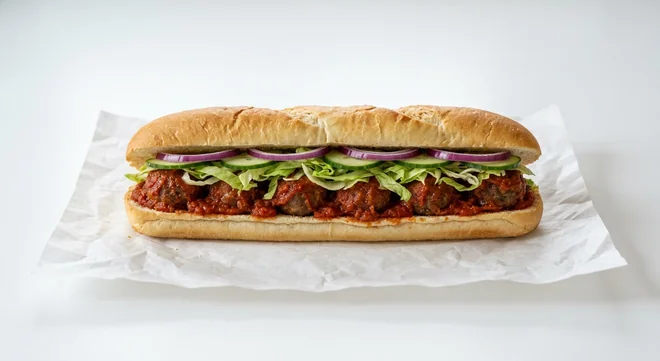 Meatball Marinara Footlong SubFootlong subsJoint24g total sugar, 894 kcal22.2g74% of limit10
 Brownie Cookie CupSides, protein pots, cookies and dunk pots20g total sugar, 266 kcal20g67% of limit
Item images are illustrations created by Boone, not photographs.
The whole Subway menu at a glance
Each dot is one item, coloured by menu section. Footlong subs sit highest for free sugar on average; Salads sit lowest.
Least free sugar in each Subway menu section
The same part of the menu, compared.
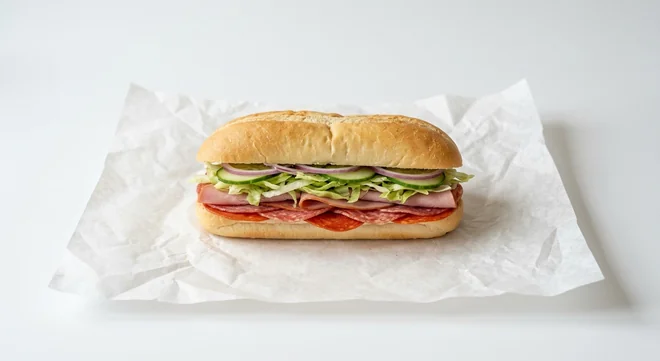 6 inch subs, saver subs and toastiesItalian B.M.T 6 Inch Sub3.9g, against Meatball Marinara 6 Inch Sub at 11.1gSaves 7.2g
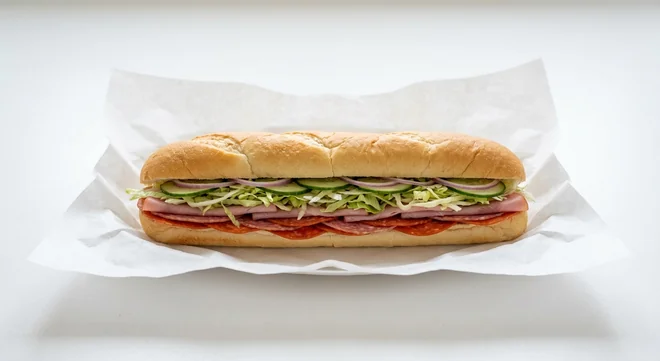 Footlong subsItalian B.M.T Footlong Sub7.8g, against Meatball Marinara Footlong Sub at 22.2gSaves 14.4g
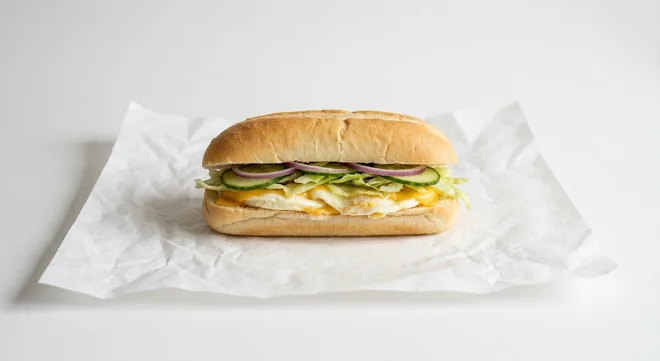 Breakfast subsPoached Egg and Cheese 6 Inch Breakfast Sub4.7g, against Big Breakwich Footlong Breakfast Sub at 18.8gSaves 14.1g
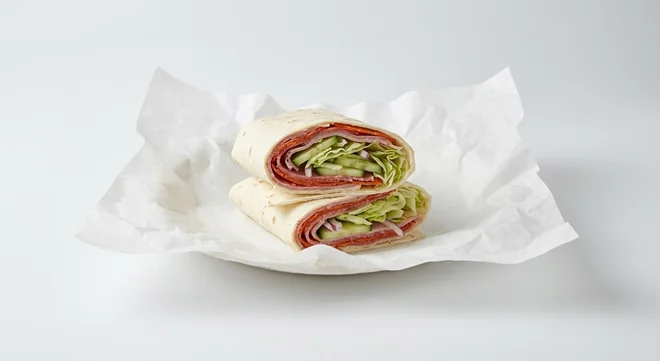 WrapsItalian B.M.T Wrap2.5g, against Garlic Cheesesteak Wrap at 10.1gSaves 7.6g
 SaladsSpicy Italian Salad0g, against 5 Bean Chilli Salad at 6.3gSaves 6.3g
 SpudsButter and Cheese Spud2g, against Cheese and Beans Spud at 8.6gSaves 6.6g
 Sides, protein pots, cookies and dunk potsRotisserie Style Chicken Protein Pot0.1g, against Sweet Chilli Dunk Pot at 69.9gSaves 69.8g
Quick answers
What has the most free sugar at Subway UK?+
The Sweet Chilli Dunk Pot, at 69.9g. That is 233% of the 30g adult daily free sugar limit.
What has the least free sugar at Subway UK?+
The Spicy Italian Salad, at 0g.
How much free sugar should a child have?+
The NHS limits free sugar to 30g a day from age 11, 24g for ages 7 to 10 and 19g for ages 4 to 6. Free sugar is added sugar plus sugar in honey, syrups and juice, not the sugar in milk or whole fruit.
Free sugar excludes the sugars naturally present in whole vegetables and milk, which NHS daily limits do not count. Subway does not publish the split, so the free figure is Boone's estimate: 0.9g of vegetable sugar is deducted for the onion, cucumber and lettuce in each 6 inch sub or wrap, 1.8g for a footlong, and an amount for salads based on their vegetable content. Everything else counts as free. Figures are from Subway UK and ROI published nutrition information, September 2026. NHS daily limits are 30g for adults and ages 11 and over, 24g for ages 7 to 10 and 19g for ages 4 to 6.
Read the full methodology →