
The Lowest Protein Tesco Own-Brand Cereals, Ranked
Tesco Frosted Flakes comes first, with 5.4g of protein per 100g, and Tesco High Protein Chocolate & Vanilla Granola comes last, with 28.9g of protein per 100g. Below are all 47 Tesco own-brand cereals ranked from least to most protein, in seven groups.
Flakes ranked from least to most protein
All 6 Tesco own-brand cereals in this group, ranked from least to most protein. Tesco Frosted Flakes comes first with 5.4g of protein per 100g and Tesco Low Fat Special Flakes comes last with 7.9g of protein per 100g.
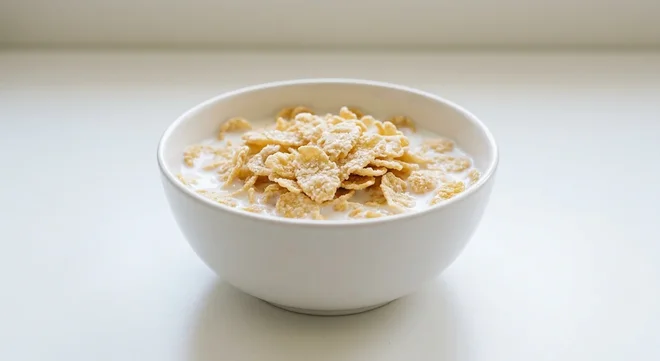
Tesco Frosted Flakes
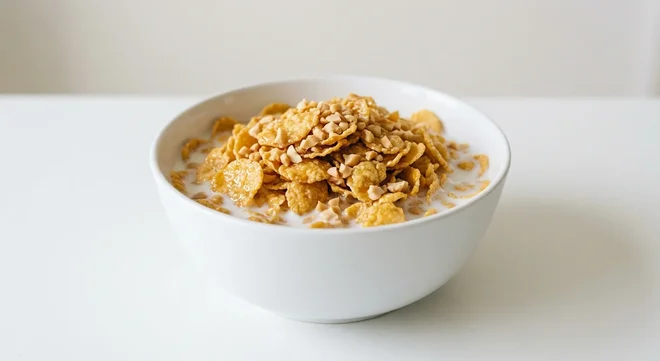
Tesco Honey Nut Corn Flakes
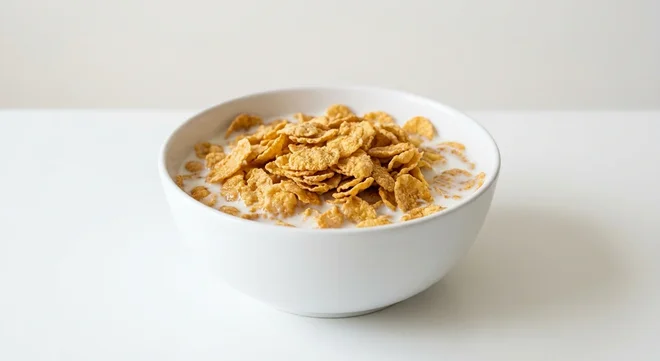
Tesco Corn Flakes

Tesco Fruit & Fibre
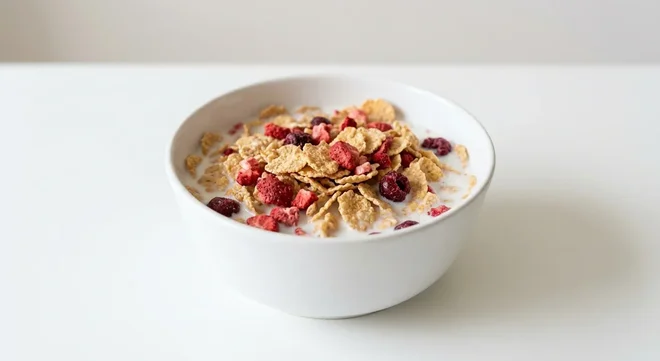
Tesco Low Fat Red Fruit Special Flakes

Tesco Low Fat Special Flakes
Puffs, hoops and pops ranked from least to most protein
All 8 Tesco own-brand cereals in this group, ranked from least to most protein. Tesco Milk Choco Pillows comes first with 6.7g of protein per 100g and Tesco Multigrain Hoops comes last with 9.5g of protein per 100g.
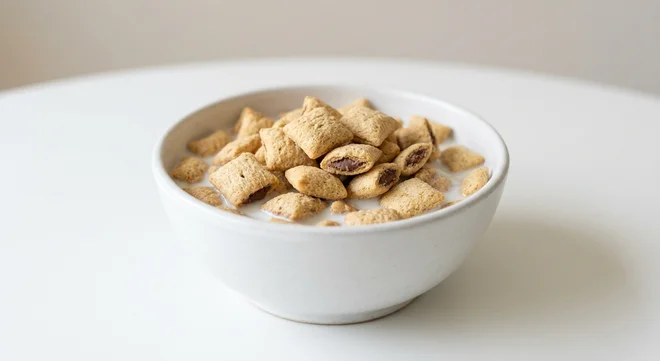
Tesco Milk Choco Pillows
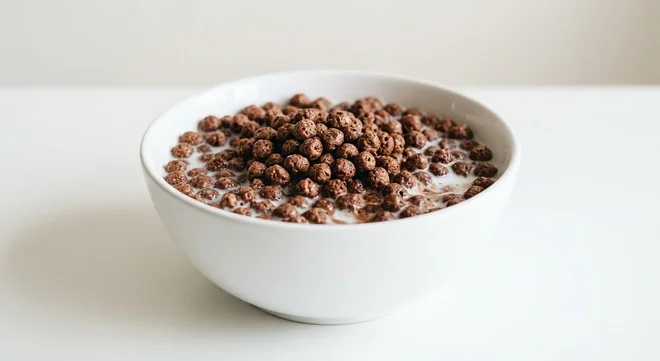
Tesco Choco Snaps
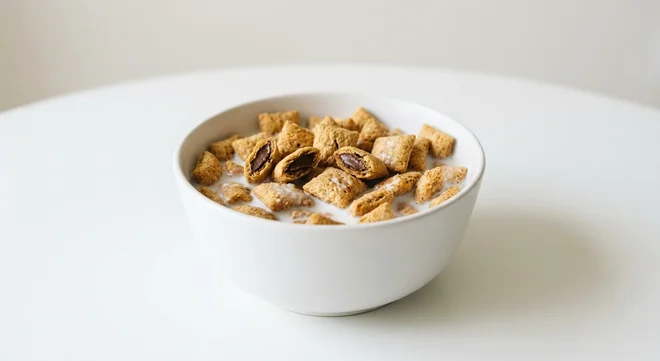
Tesco Choco Nut Pillows

Tesco Rice Snaps
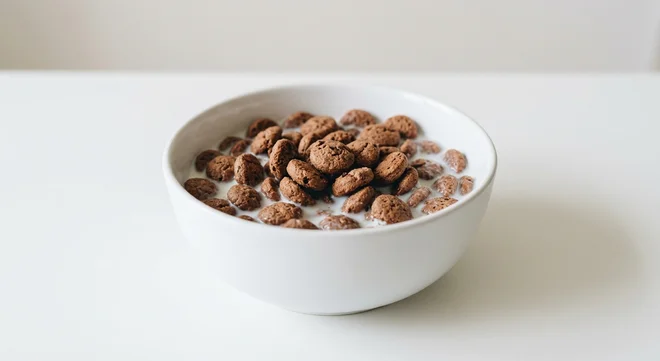
Tesco Crunchy Cookie
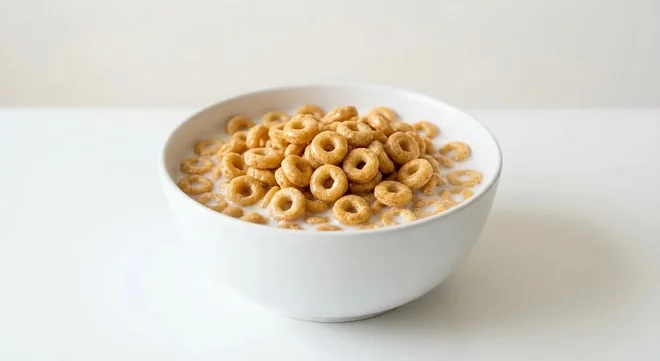
Tesco Honey Hoops
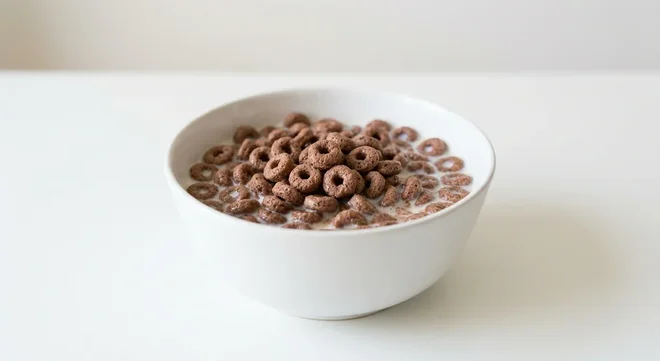
Tesco Choco Hoops
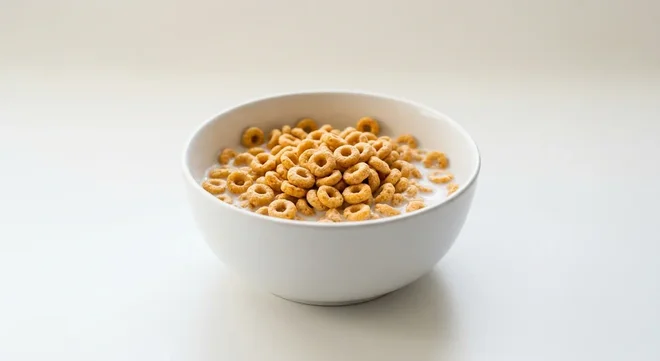
Tesco Multigrain Hoops
Wheat biscuits and bran ranked from least to most protein
All 7 Tesco own-brand cereals in this group, ranked from least to most protein. Tesco Choco Malt Wheats comes first with 9.3g of protein per 100g and Tesco High Fibre Bran comes last with 13.7g of protein per 100g.
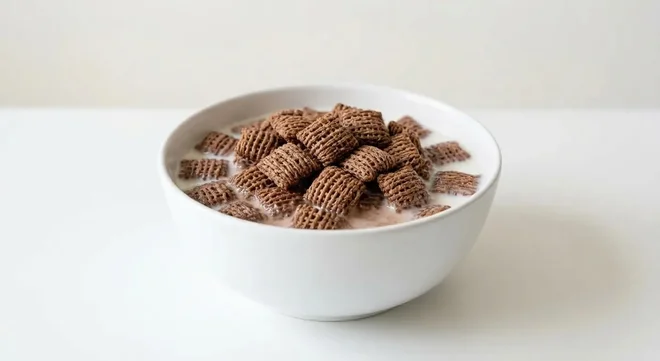
Tesco Choco Malt Wheats
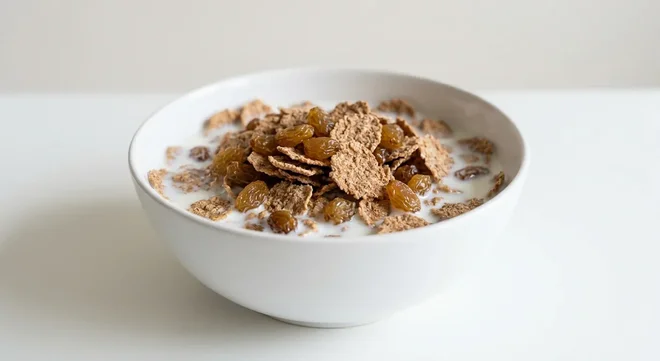
Tesco Sultana Bran
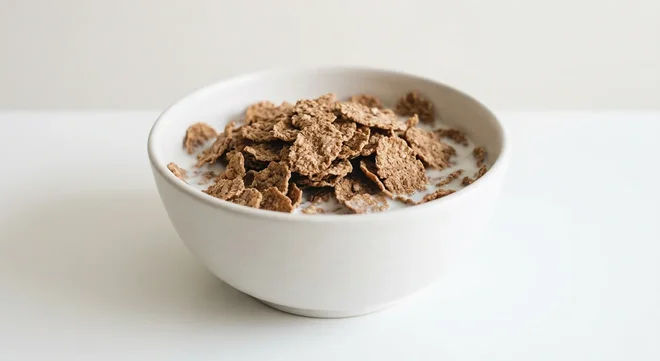
Tesco Bran Flakes
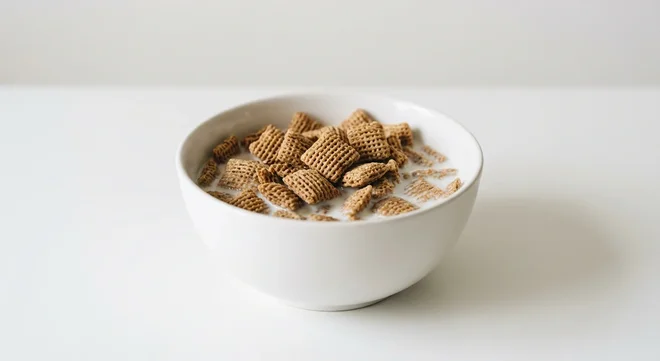
Tesco Malt Wheats
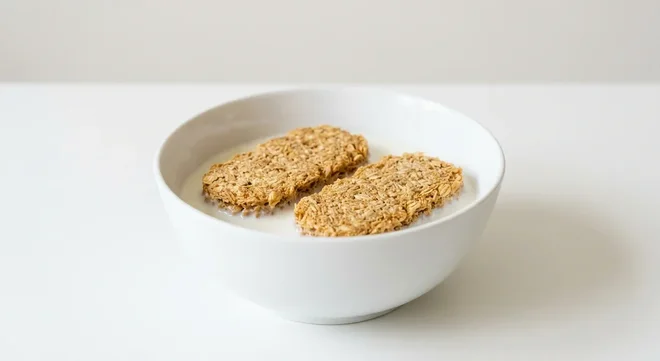
Tesco Wheat Biscuits

Stockwell & Co. Wheat Biscuits
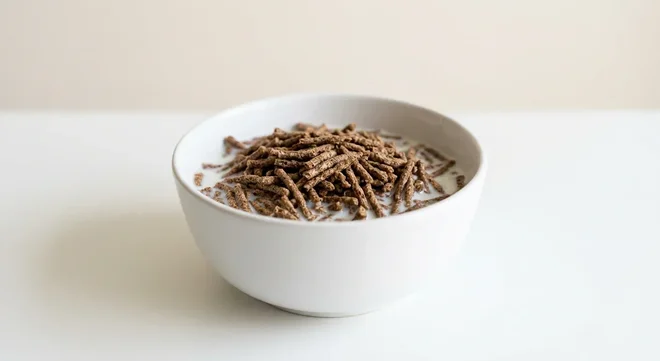
Tesco High Fibre Bran
Granola ranked from least to most protein
All 9 Tesco own-brand cereals in this group, ranked from least to most protein. Tesco Tropical Fruits Granola comes first with 9.7g of protein per 100g and Tesco High Protein Chocolate & Vanilla Granola comes last with 28.9g of protein per 100g.

Tesco Tropical Fruits Granola
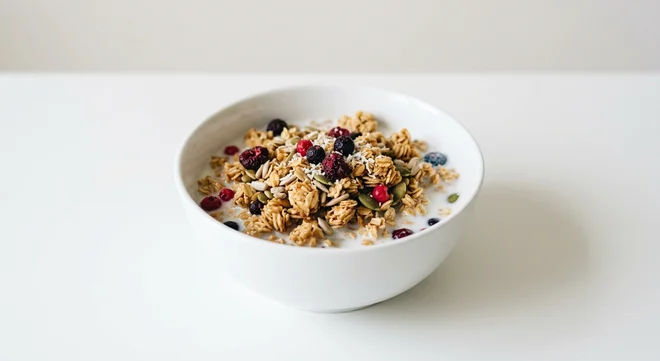
Tesco Superberry Granola
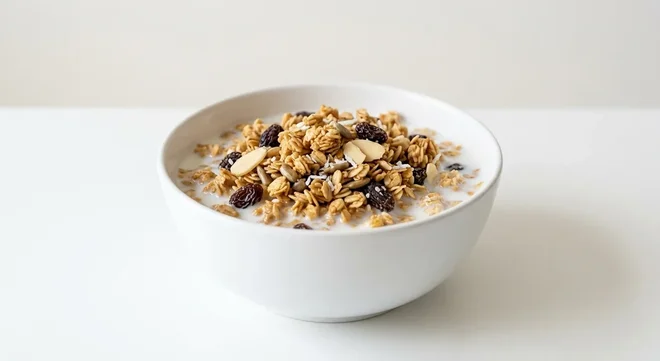
Tesco Fruit & Nut Granola

Tesco Honey & Almond Granola
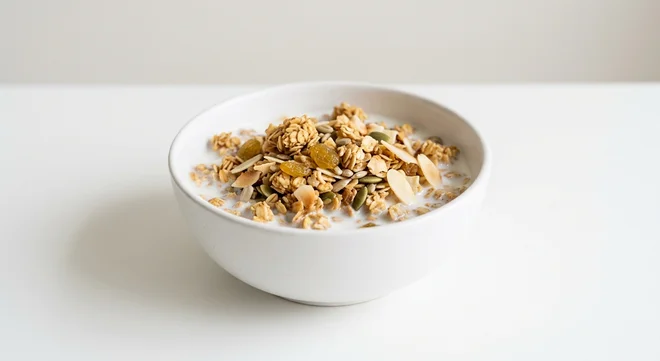
Tesco Free From Fruit & Nut Granola
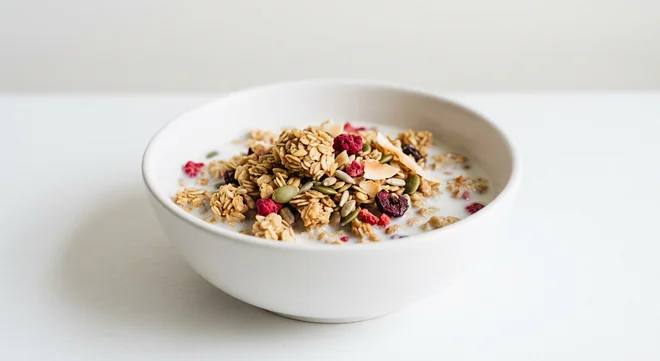
Tesco Free From Red Berry Granola

Tesco Finest Super Nutty Granola
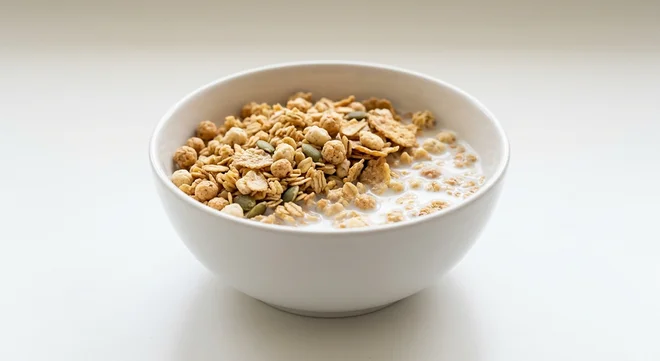
Tesco High Protein Granola

Tesco High Protein Chocolate & Vanilla Granola
Muesli ranked from least to most protein
All 7 Tesco own-brand cereals in this group, ranked from least to most protein. Tesco Fruit Muesli comes first with 7.8g of protein per 100g and Tesco Free From Fruit & Seed Muesli comes last with 12.3g of protein per 100g.
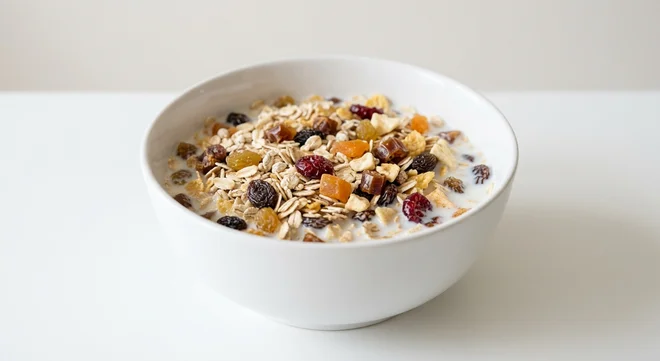
Tesco Fruit Muesli
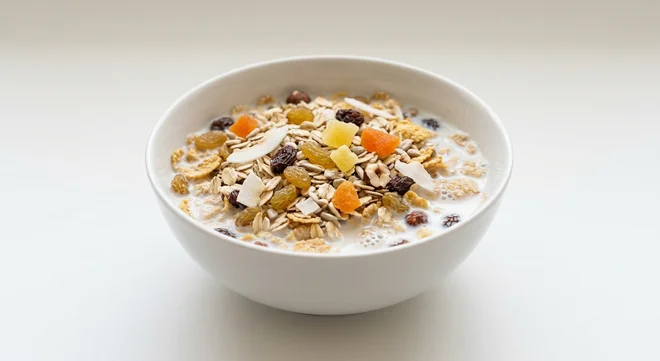
Tesco Fruit & Nut Muesli

Stockwell & Co. Muesli

Tesco Swiss Style No Added Sugar Muesli

Tesco Finest Fruit, Nut & Seed Muesli
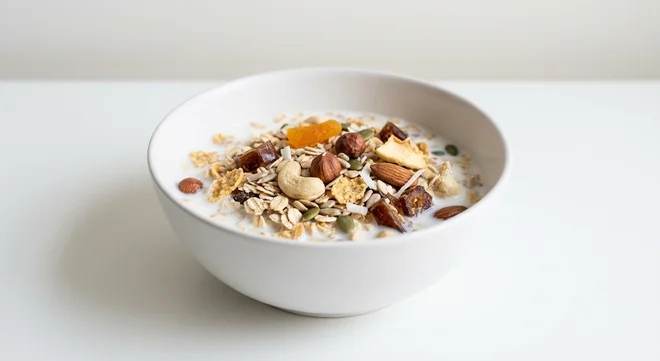
Tesco Nuts & Seeds Muesli
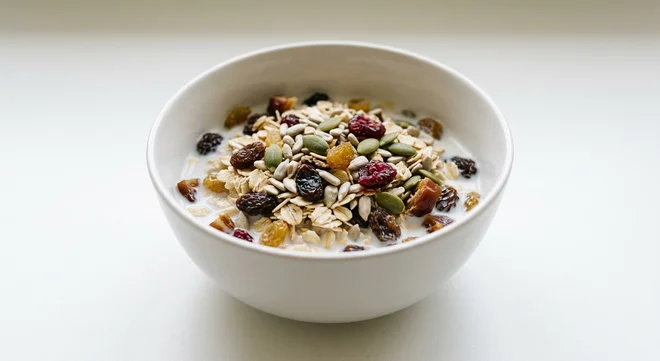
Tesco Free From Fruit & Seed Muesli
Clusters and crunch ranked from least to most protein
Both Tesco own-brand cereals in this group, ranked from least to most protein. Tesco Nut & Maple Crisp comes first with 9g of protein per 100g and Tesco Strawberry Crisp comes last with 9.4g of protein per 100g.
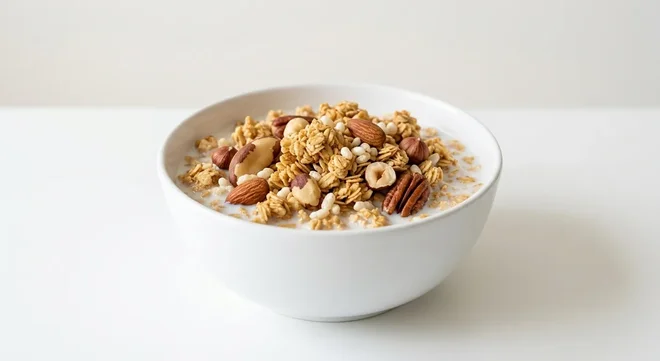
Tesco Nut & Maple Crisp
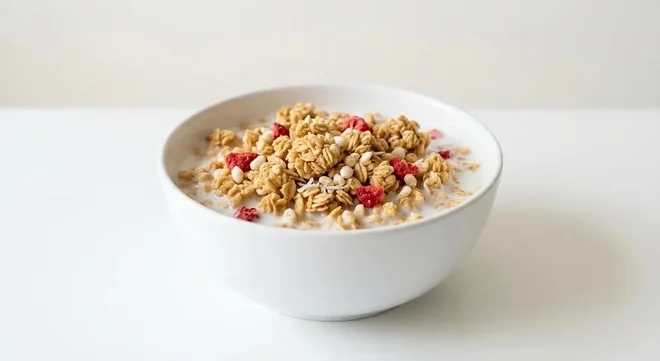
Tesco Strawberry Crisp
Porridge oats, sachets and pots ranked from least to most protein
All 8 Tesco own-brand cereals in this group, ranked from least to most protein. Tesco Easy Oats Apple & Blueberry Porridge Sachets comes first with 8.4g of protein per 100g and Tesco Oat Bran comes last with 15.7g of protein per 100g.

Tesco Easy Oats Apple & Blueberry Porridge Sachets

Tesco Easy Oats Golden Syrup Porridge Sachets

Grower's Harvest Porridge Oats

Tesco Easy Oats Original Porridge Sachets

Tesco Organic Porridge Oats

Tesco Scottish Porridge Oats
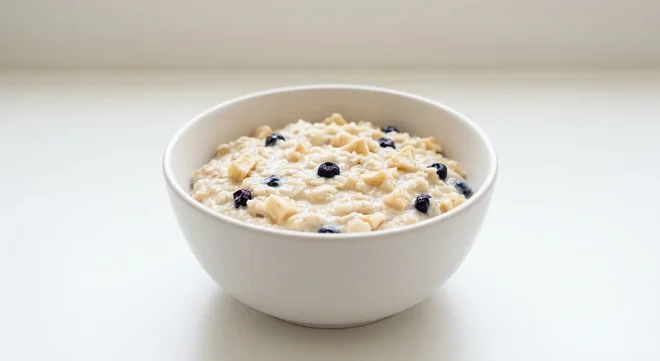
Tesco Instant Oats Apple & Blueberry Pot
Tesco Oat Bran
Protein is per 100g as sold, from the nutrition panels on Tesco own-brand listings. Easy Oats sachets are labelled for the sachet made up with semi-skimmed milk and the Instant Oats pot for the pot made up with water; Boone has converted them to the dry contents so they compare fairly. The figure in brackets is grams of protein per 100 calories, which shows how much of a cereal's energy comes from protein.
The percentages are for a 30g serving against the UK labelling reference intake of 50g a day for adults, with lower reference values for children. Milk adds protein and is not included here; each product page adds it.