
The Tesco Own-Brand Cereals With the Most Ingredients, Ranked
Tesco Finest Fruit, Nut & Seed Muesli and Tesco High Protein Granola share the most ingredients, with 20. 5 of the 47 Tesco own-brand cereals have a single ingredient: Grower's Harvest Porridge Oats, Tesco Easy Oats Original Porridge Sachets, Tesco Oat Bran, Tesco Organic Porridge Oats, Tesco Scottish Porridge Oats. Below are all 47 Tesco own-brand cereals ranked from most to fewest ingredients, with how many of those ingredients are manufactured, in seven groups.
Flakes ranked from most to fewest ingredients
All 6 Tesco own-brand cereals in this group, ranked from most to fewest ingredients. Tesco Fruit & Fibre comes first with 11 ingredients and Tesco Frosted Flakes comes last with 5 ingredients.

Tesco Fruit & Fibre
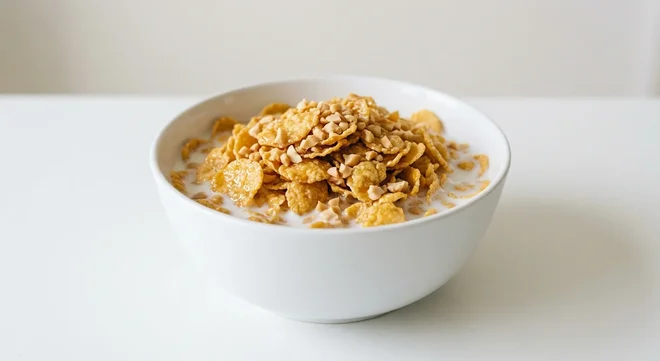
Tesco Honey Nut Corn Flakes
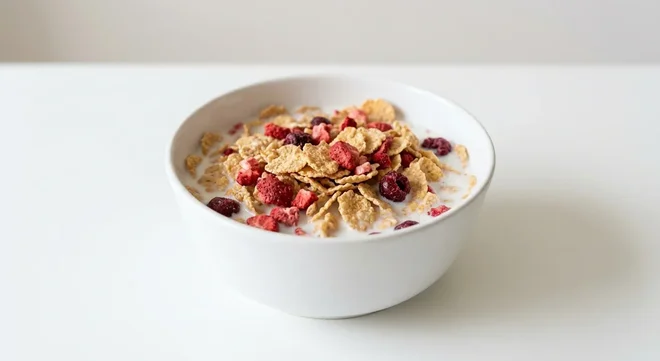
Tesco Low Fat Red Fruit Special Flakes

Tesco Low Fat Special Flakes
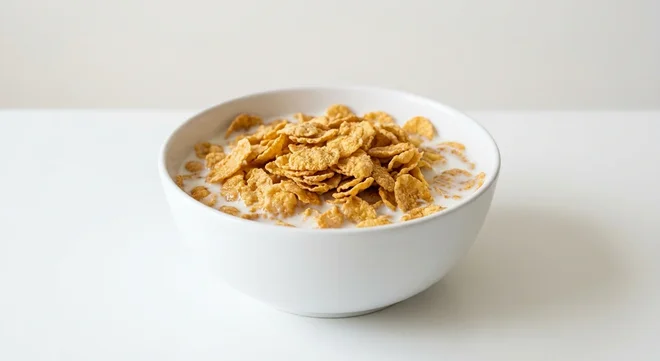
Tesco Corn Flakes
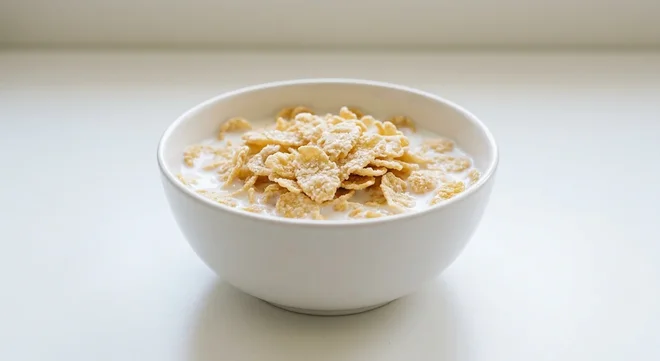
Tesco Frosted Flakes
Puffs, hoops and pops ranked from most to fewest ingredients
All 8 Tesco own-brand cereals in this group, ranked from most to fewest ingredients. Tesco Milk Choco Pillows comes first with 17 ingredients and Tesco Rice Snaps comes last with 5 ingredients.
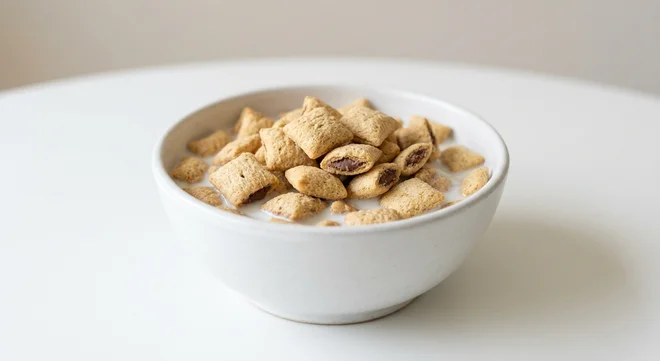
Tesco Milk Choco Pillows
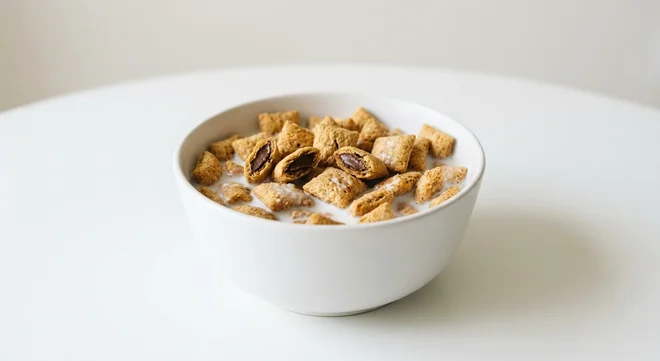
Tesco Choco Nut Pillows
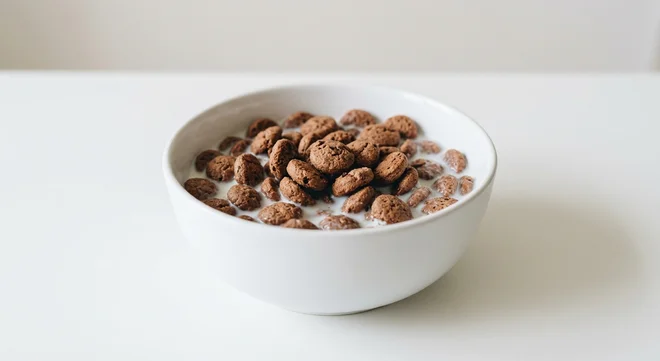
Tesco Crunchy Cookie
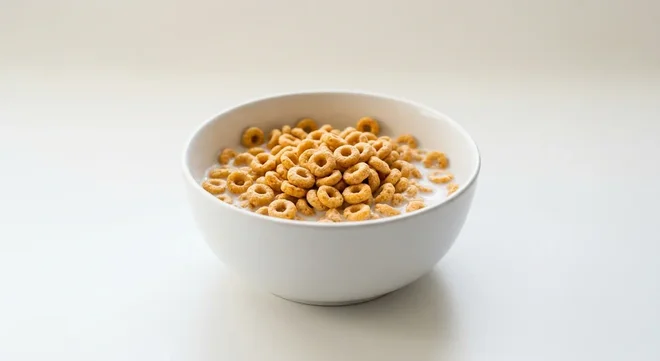
Tesco Multigrain Hoops
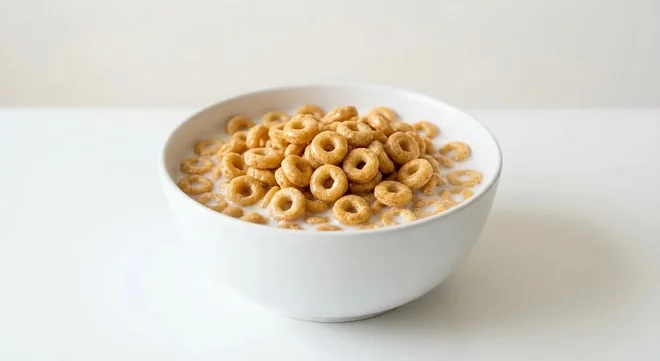
Tesco Honey Hoops
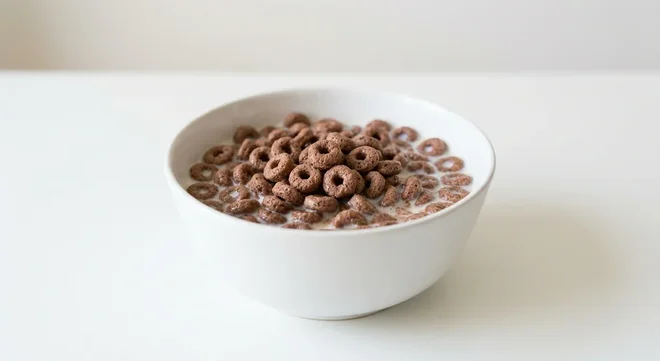
Tesco Choco Hoops
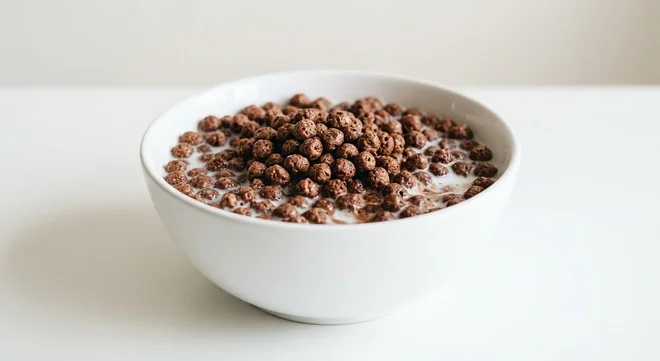
Tesco Choco Snaps

Tesco Rice Snaps
Wheat biscuits and bran ranked from most to fewest ingredients
All 7 Tesco own-brand cereals in this group, ranked from most to fewest ingredients. Tesco Choco Malt Wheats comes first with 9 ingredients and Tesco Wheat Biscuits comes last with 5 ingredients.
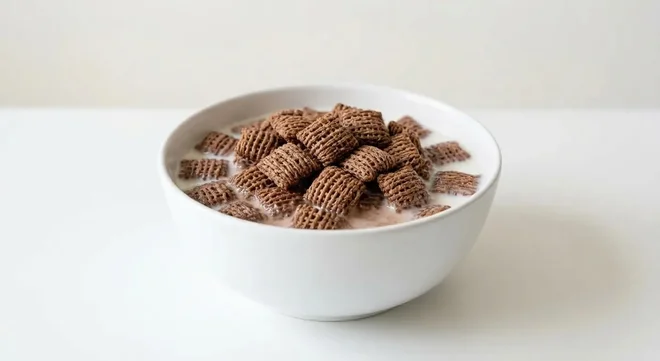
Tesco Choco Malt Wheats
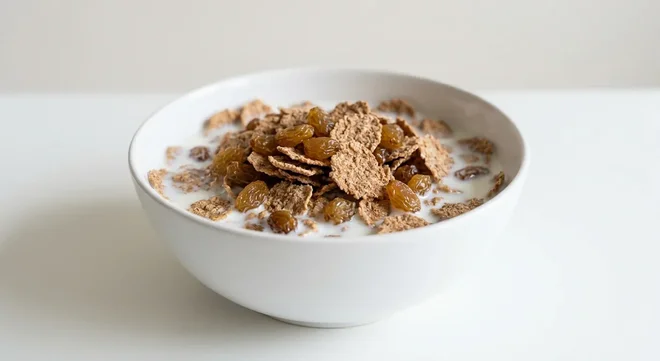
Tesco Sultana Bran
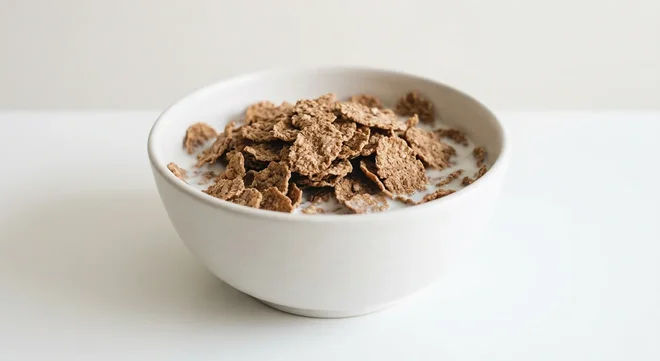
Tesco Bran Flakes
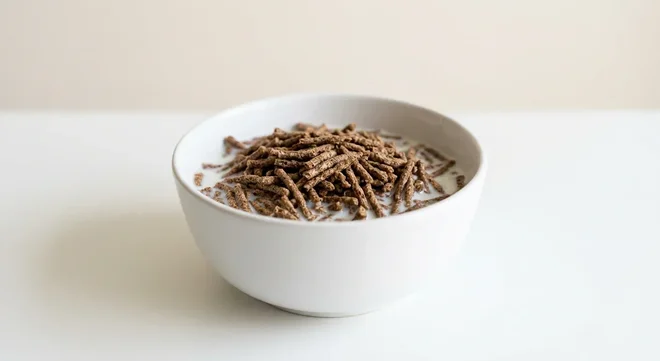
Tesco High Fibre Bran
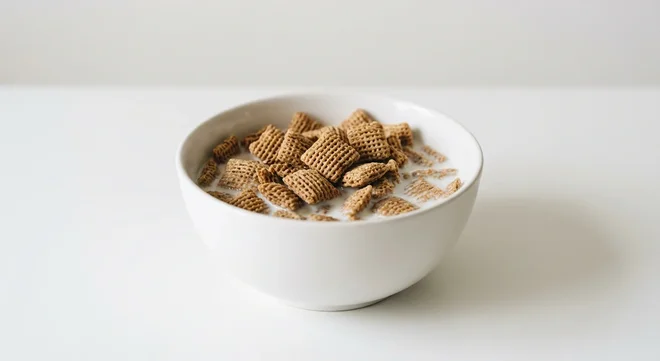
Tesco Malt Wheats

Stockwell & Co. Wheat Biscuits
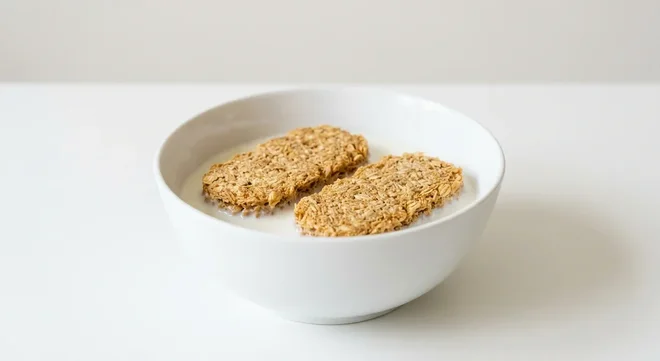
Tesco Wheat Biscuits
Granola ranked from most to fewest ingredients
All 9 Tesco own-brand cereals in this group, ranked from most to fewest ingredients. Tesco High Protein Granola comes first with 20 ingredients and Tesco Honey & Almond Granola comes last with 7 ingredients.
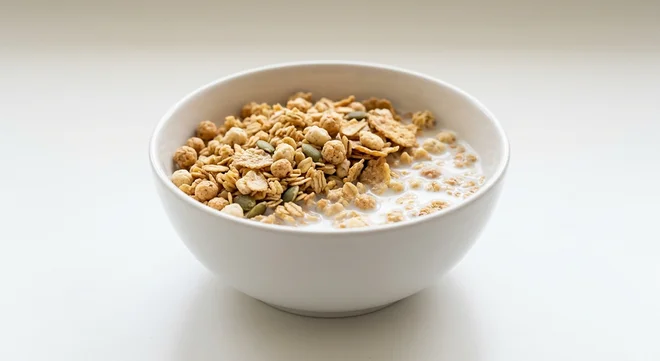
Tesco High Protein Granola

Tesco Tropical Fruits Granola

Tesco Finest Super Nutty Granola

Tesco High Protein Chocolate & Vanilla Granola
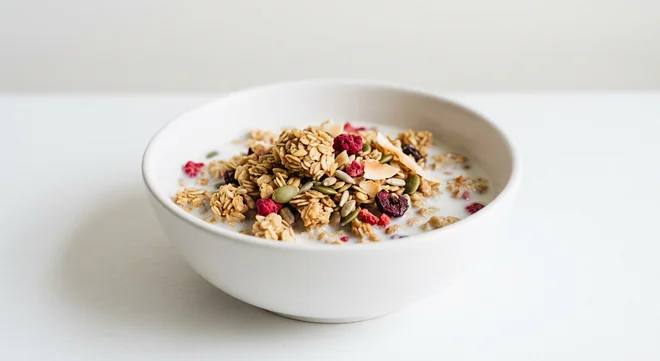
Tesco Free From Red Berry Granola
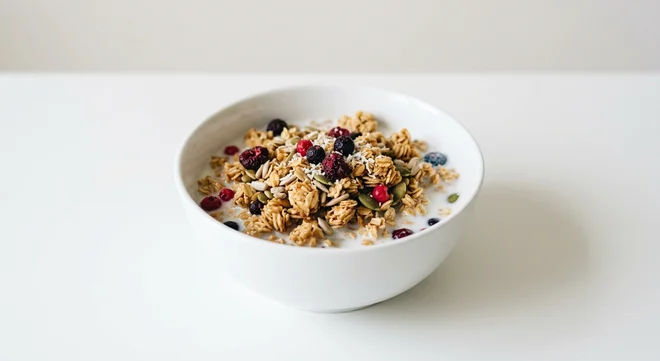
Tesco Superberry Granola
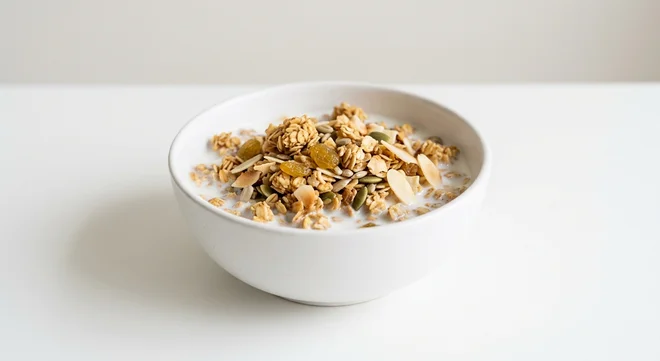
Tesco Free From Fruit & Nut Granola
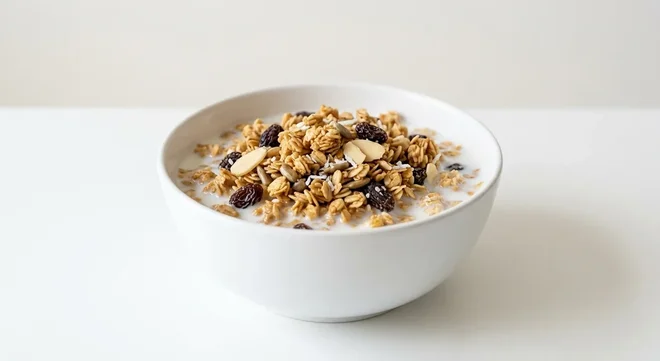
Tesco Fruit & Nut Granola

Tesco Honey & Almond Granola
Muesli ranked from most to fewest ingredients
All 7 Tesco own-brand cereals in this group, ranked from most to fewest ingredients. Tesco Finest Fruit, Nut & Seed Muesli comes first with 20 ingredients and Stockwell & Co. Muesli comes last with 7 ingredients.

Tesco Finest Fruit, Nut & Seed Muesli
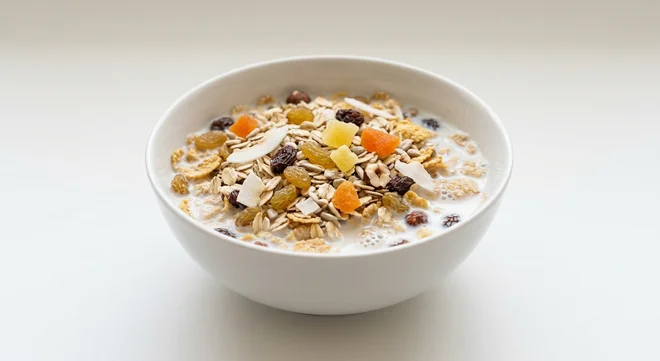
Tesco Fruit & Nut Muesli
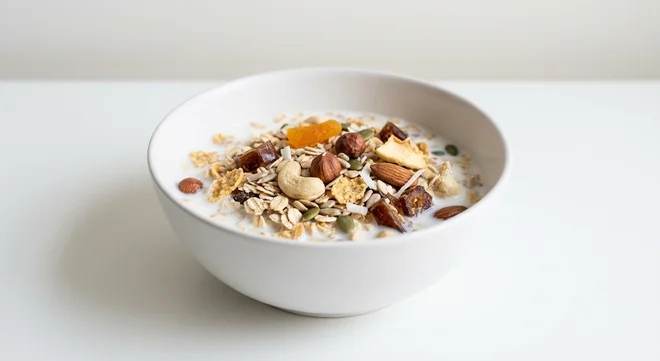
Tesco Nuts & Seeds Muesli
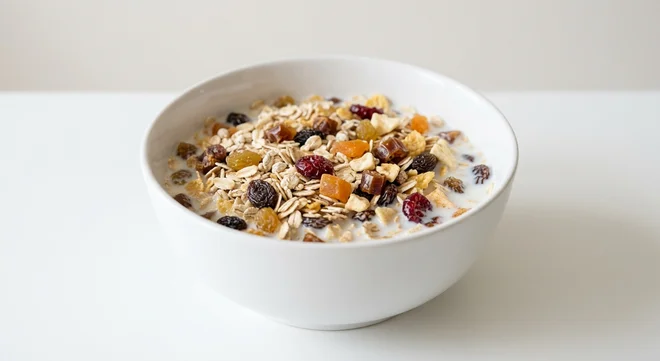
Tesco Fruit Muesli
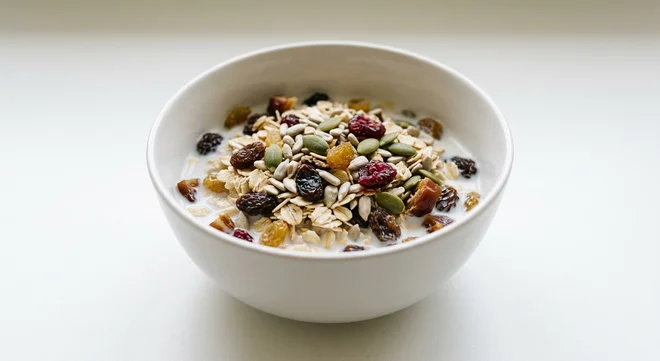
Tesco Free From Fruit & Seed Muesli

Tesco Swiss Style No Added Sugar Muesli

Stockwell & Co. Muesli
Clusters and crunch ranked from most to fewest ingredients
Both Tesco own-brand cereals in this group, ranked from most to fewest ingredients. Tesco Nut & Maple Crisp comes first with 15 ingredients and Tesco Strawberry Crisp comes last with 11 ingredients.
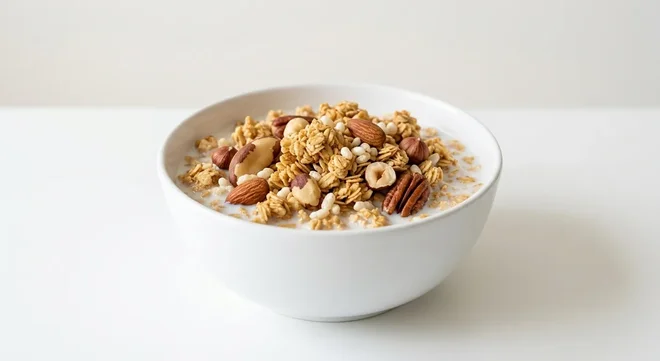
Tesco Nut & Maple Crisp
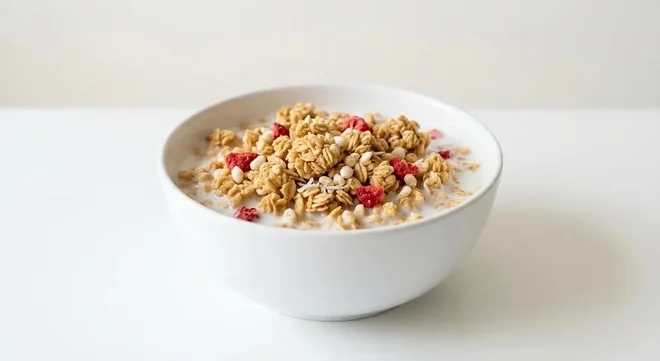
Tesco Strawberry Crisp
Porridge oats, sachets and pots ranked from most to fewest ingredients
All 8 Tesco own-brand cereals in this group, ranked from most to fewest ingredients. Tesco Instant Oats Apple & Blueberry Pot comes first with 6 ingredients and Tesco Scottish Porridge Oats comes last with 1 ingredient.
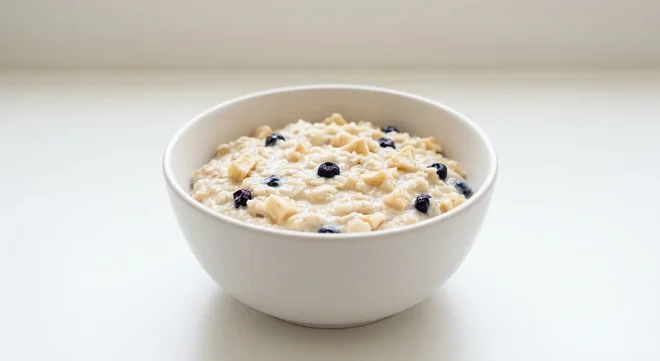
Tesco Instant Oats Apple & Blueberry Pot

Tesco Easy Oats Apple & Blueberry Porridge Sachets

Tesco Easy Oats Golden Syrup Porridge Sachets

Grower's Harvest Porridge Oats

Tesco Easy Oats Original Porridge Sachets
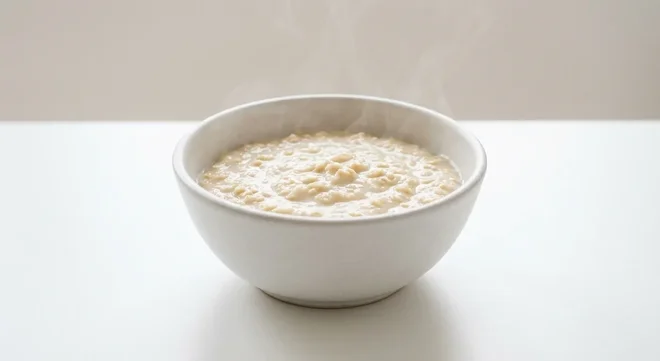
Tesco Oat Bran

Tesco Organic Porridge Oats

Tesco Scottish Porridge Oats
Ingredients are counted from the ingredients lists on Tesco own-brand listings. Each named ingredient counts once, including the parts of compound ingredients such as chocolate or crisped rice, and the vitamins and minerals added as fortification count as one.
Manufactured ingredients are those made by industrial processing rather than found in a kitchen, such as glucose syrup, protein isolates, added fibres, emulsifiers and flavourings. The share of manufactured ingredients is one of the signs Boone uses to judge whether a food is ultra-processed.