
M&S cereals, lowest protein first
All 69 M&S cereals, lowest protein first, in a 30g bowl or per 100 kcal, against the 50g adult reference intake.
Protein per bowl of M&S cereal
69 cereals, lowest first. Per 30g bowl, without milk. Frosted FlakesFlakes6.3g per 100g, 116 kcal a bowl1.9g4% of RI2
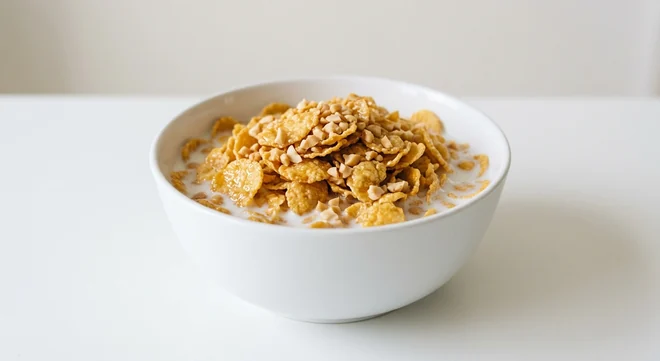 Honey Nut Corn FlakesFlakes7.2g per 100g, 119 kcal a bowl2.2g4% of RI3
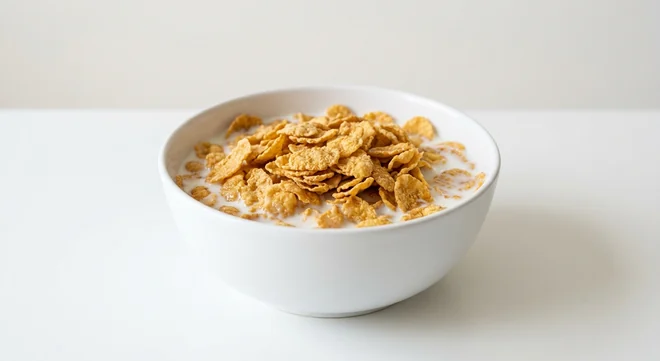 Only 1 Ingredient Corn FlakesFlakesJoint7.4g per 100g, 118 kcal a bowl2.2g4% of RI4
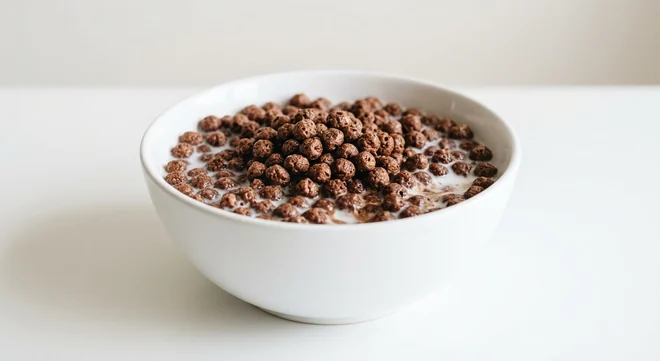 Choco PopsPuffs, hoops and popsJoint7.4g per 100g, 116 kcal a bowl2.2g4% of RI5Corn FlakesFlakes7.7g per 100g, 115 kcal a bowl2.3g5% of RI
 Made Without Wheat Special FlakesFlakes7.8g per 100g, 115 kcal a bowl2.3g5% of RI7
 Choco Hazelnut PillowsPuffs, hoops and popsJoint7.9g per 100g, 130 kcal a bowl2.4g5% of RI8
 Made Without Wheat Rice PopsPuffs, hoops and popsJoint7.9g per 100g, 115 kcal a bowl2.4g5% of RI9Rice PopsPuffs, hoops and popsJoint7.9g per 100g, 116 kcal a bowl2.4g5% of RI10
 Nutty Maple Special FlakesFlakes8.2g per 100g, 119 kcal a bowl2.5g5% of RI
Cereal images are illustrations created by Boone, not photographs.
The whole M&S cereal range at a glance
Each dot is one cereal, coloured by type. Porridge and overnight oats sit highest for protein on average; Flakes sit lowest.
Most protein of each M&S cereal type
The same kind of cereal, compared.
 FlakesFruit & Fibre Flakes2.7g a bowl, against Frosted Flakes at 1.9gAdds 0.8g
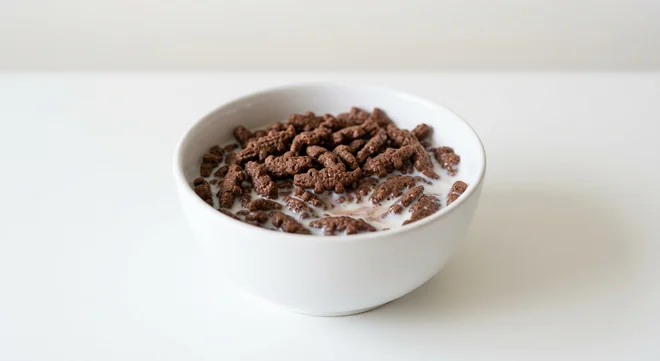 Puffs, hoops and popsChoco Crocos3.3g a bowl, against Choco Pops at 2.2gAdds 1.1g
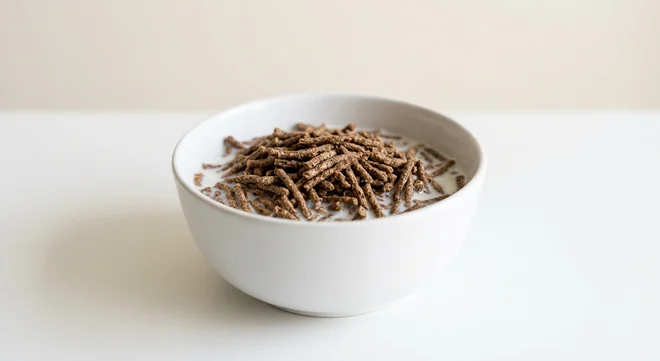 Wheat biscuits and branBran Sticks4.1g a bowl, against Sultana Bran Flakes at 3gAdds 1.1g
 GranolaHigh Protein Peanut & Oat Granola7.2g a bowl, against Made Without 4 Nut & Flame Raisin Granola at 3gAdds 4.2g
 MuesliTotally Nuts Muesli4g a bowl, against Mixed Berry Muesli at 2.7gAdds 1.3g
 Clusters and crunchHigh Protein Vegan Chocolate Crunch7g a bowl, against Made Without Triple Chocolate Crunch at 2.5gAdds 4.5g
 Porridge and overnight oatsMade Without Wheat Gluten Free Mixed Berry & Almond Overnight Oats6.4g a bowl, against Made Without Wheat Gluten Free Apple & Chia Overnight Oats at 3gAdds 3.4g
Quick answers
Which M&S cereal has the most protein?+
M&S High Protein Peanut & Oat Granola, with 24g of protein per 100g, or 7.2g in a 30g serving before milk.
Which M&S cereal has the least protein?+
M&S Frosted Flakes, with 6.3g per 100g.
How much protein does milk add?+
About 4.4g in 125ml of semi-skimmed milk and 4.1g with soya drink. Oat drink adds about 1.3g and almond drink 0.5g. Each product page adds the milk you choose.
What does protein per 100 calories mean?+
It shows how much of a cereal’s energy comes from protein. A higher number means more protein for the same calories, which is more useful than protein per 100g when comparing a light flake with a dense granola.
Where does this data come from?+
The nutrition panels and ingredients lists on Ocado’s M&S own-label cereal listings, collected in October 2026. Boone works out free sugar, manufactured ingredients and nutrient profiling scores from them.
Protein is per 100g as sold, from the nutrition panels on Ocado’s M&S listings. The figure in brackets is grams of protein per 100 calories, which shows how much of a cereal’s energy comes from protein.
The percentages are for a 30g serving against the UK labelling reference intake of 50g a day for adults, with lower reference values for children. Milk adds protein and is not included here; each product page adds it.
Read the full methodology →