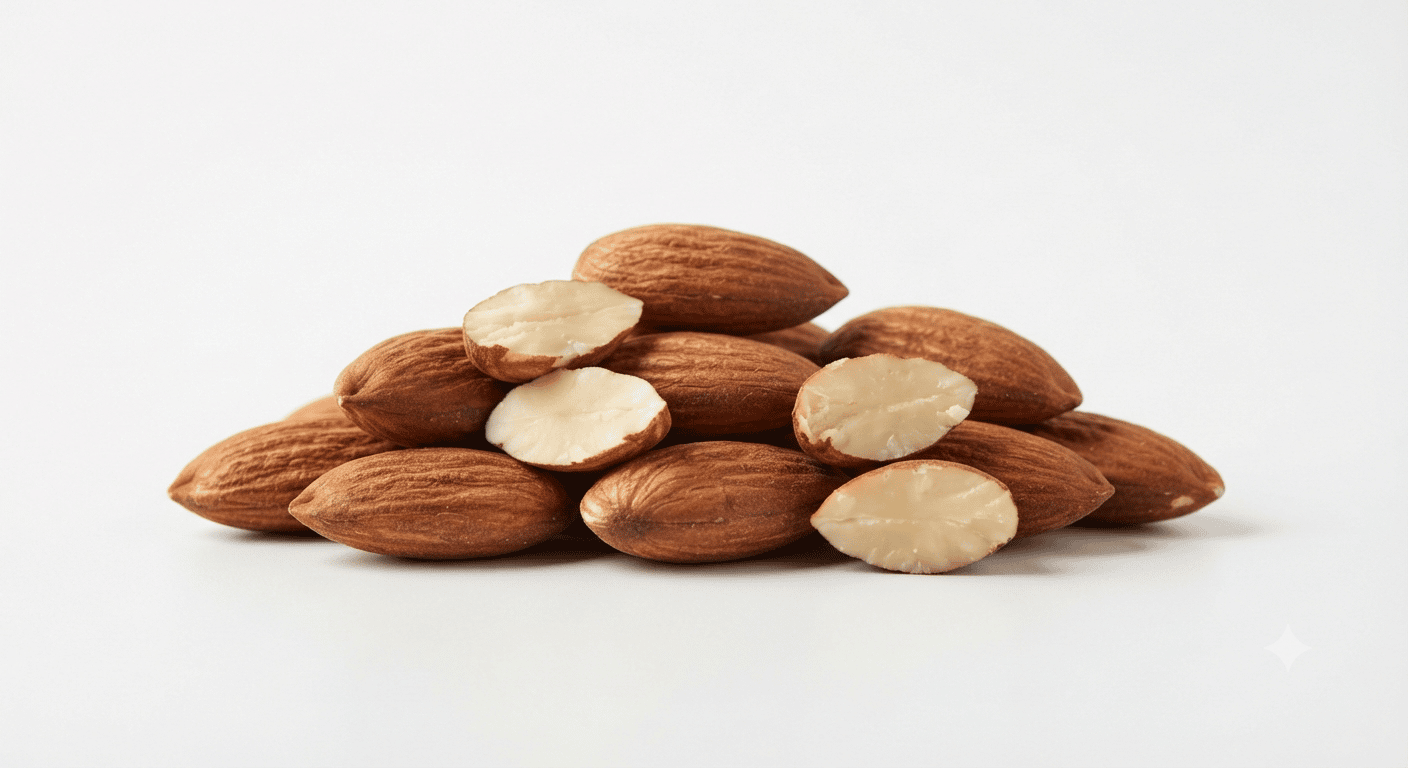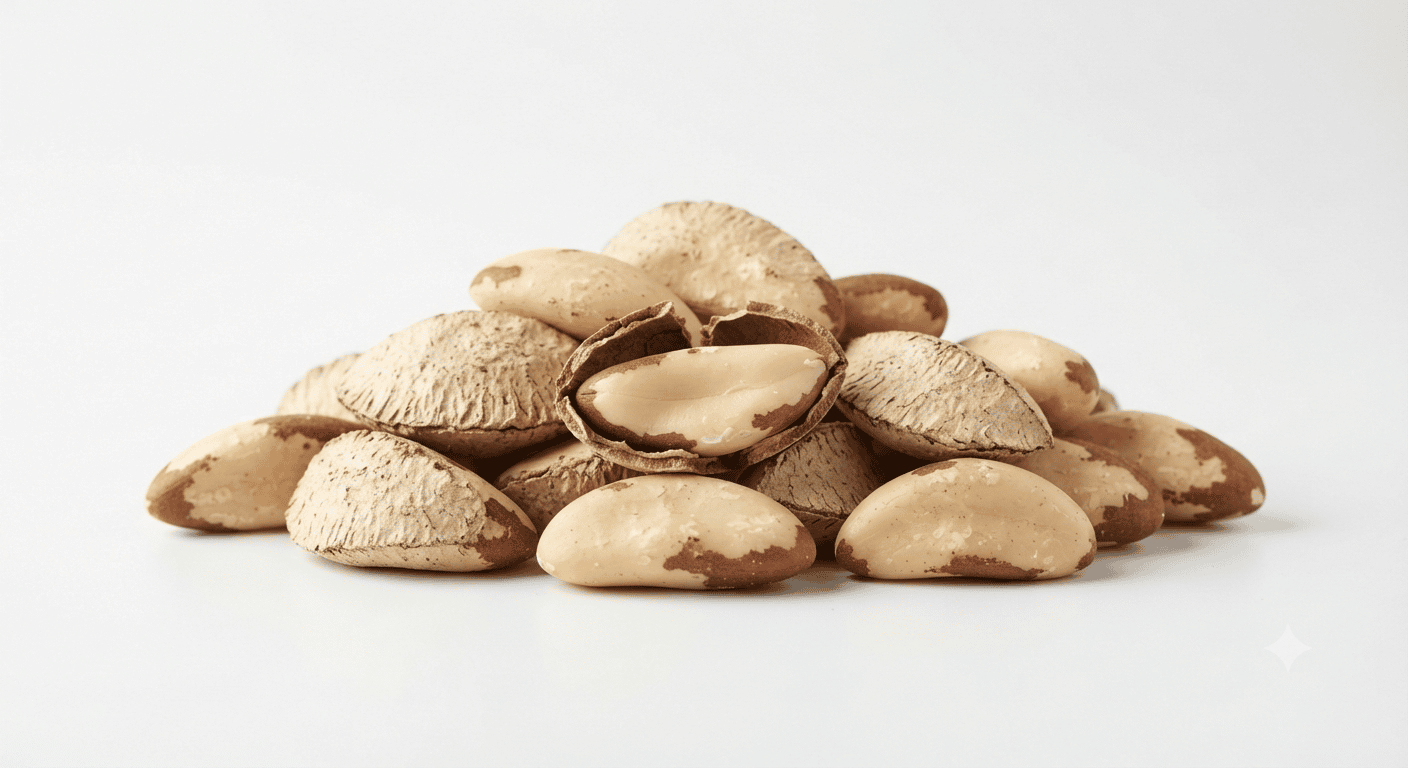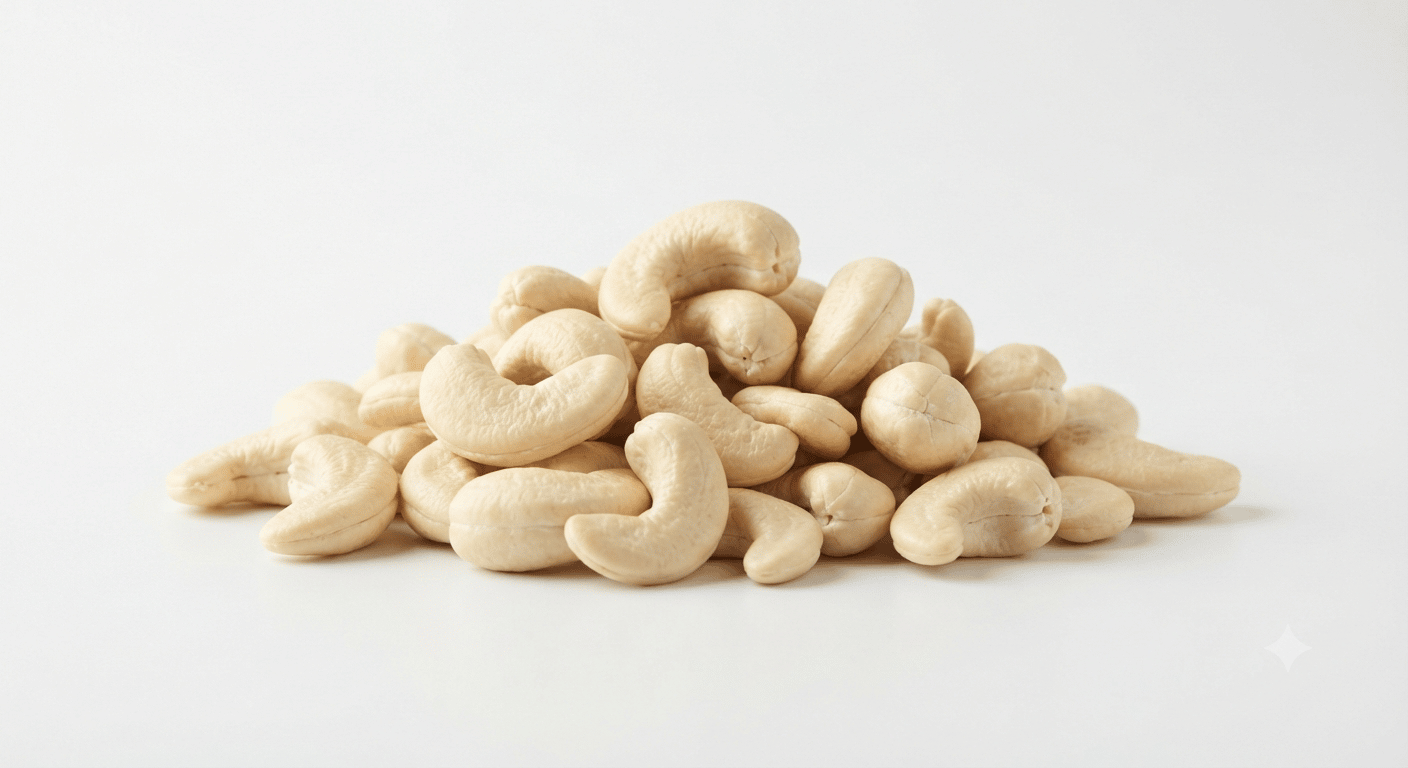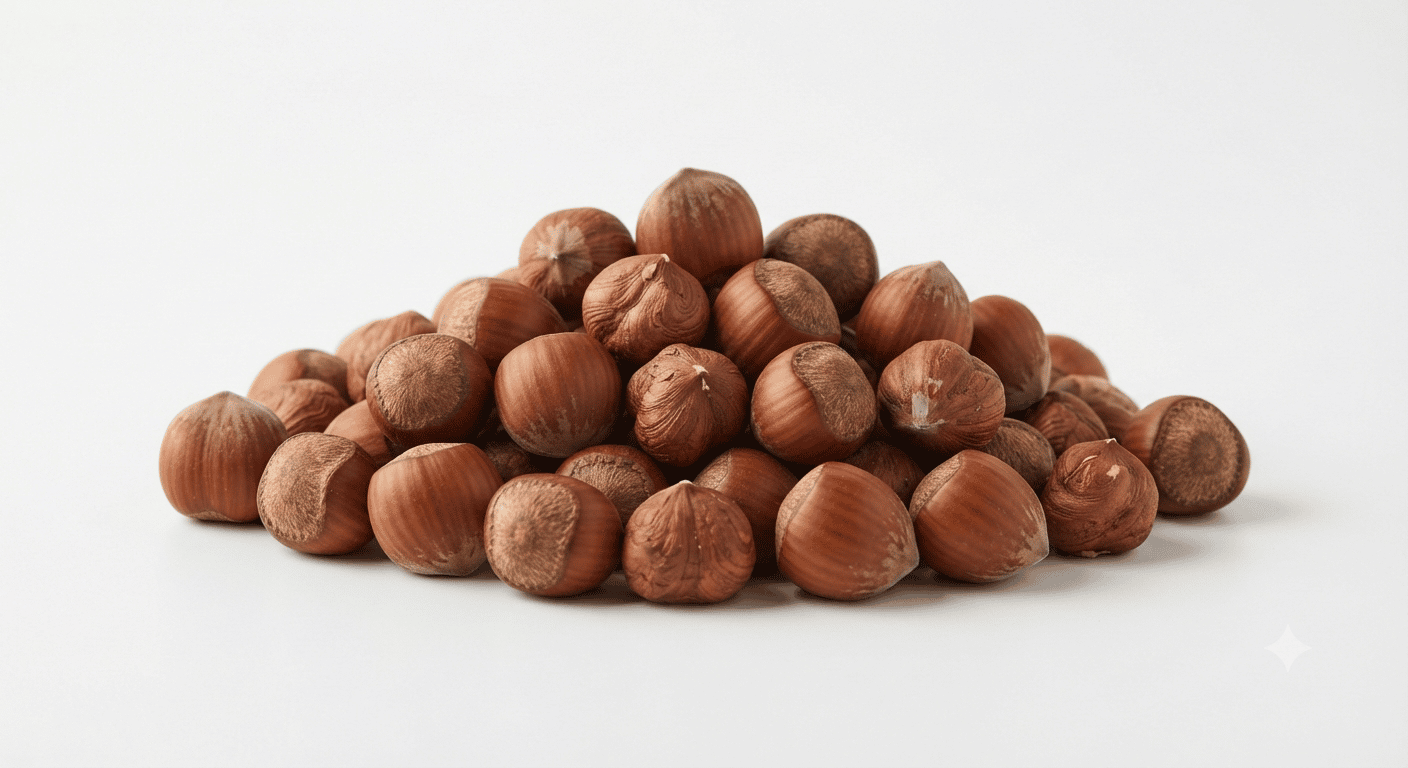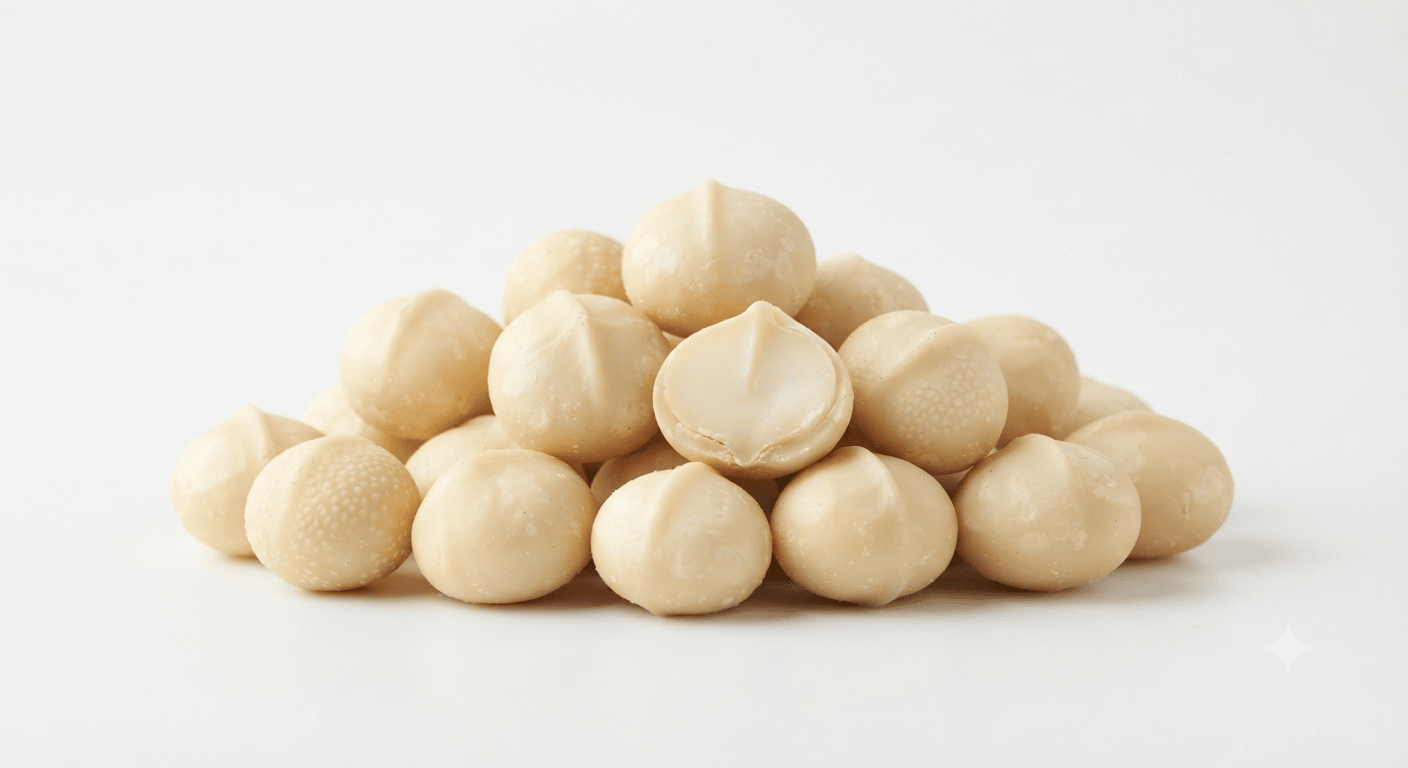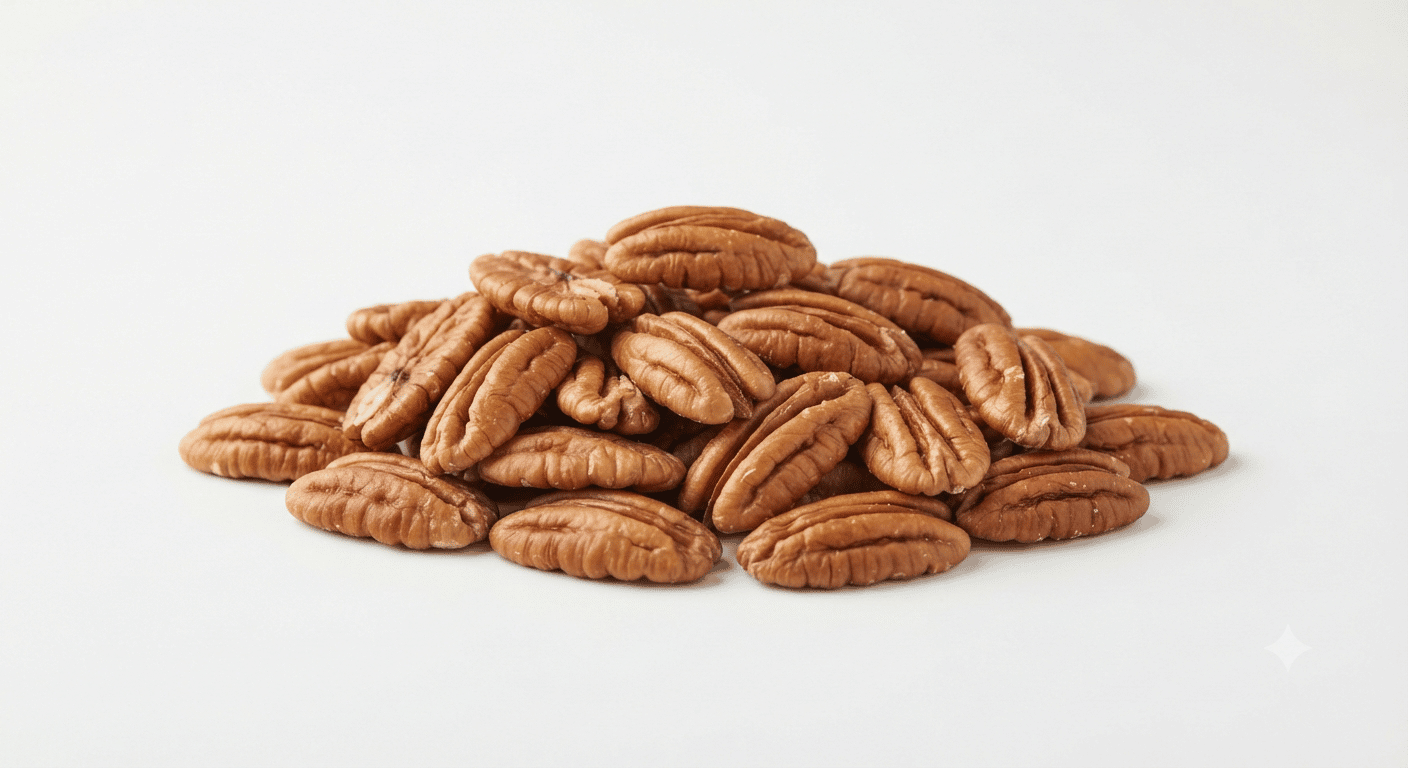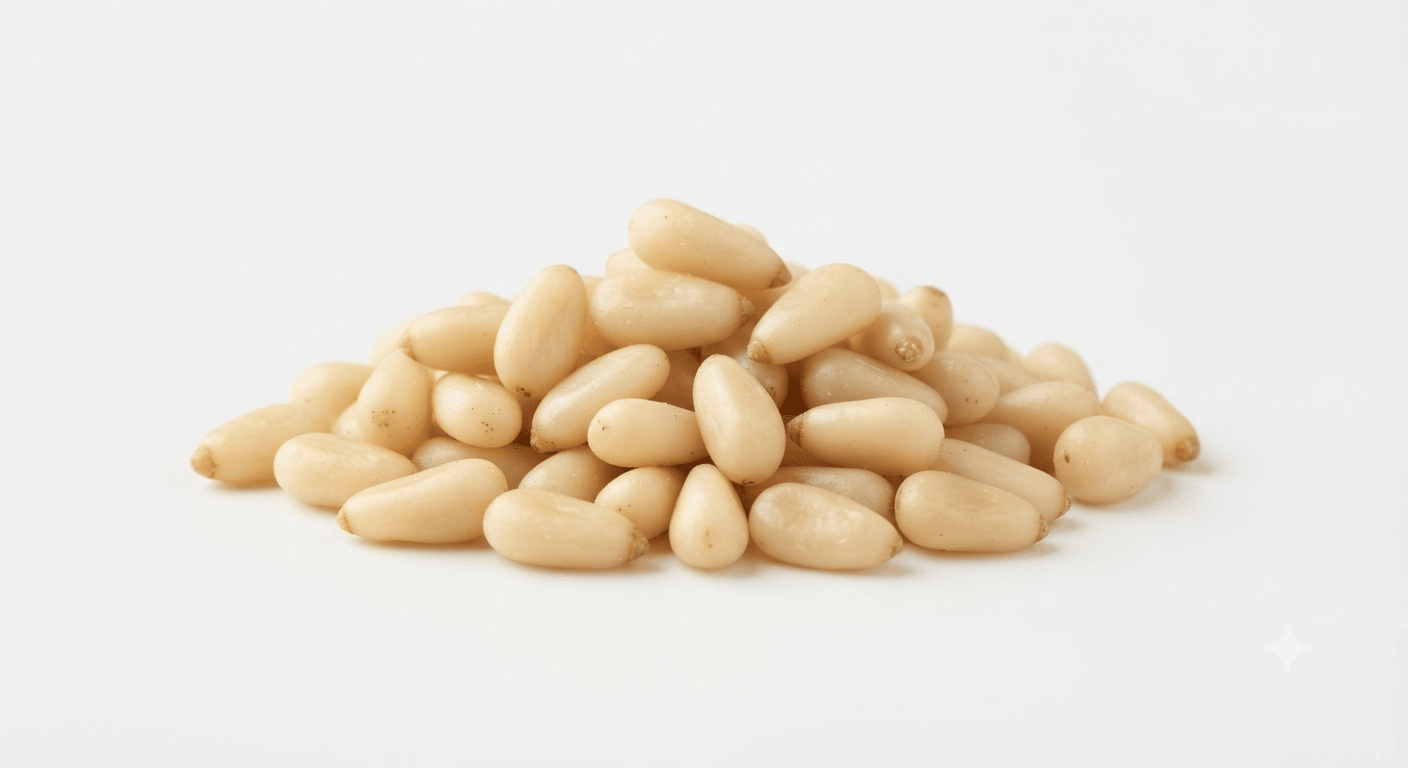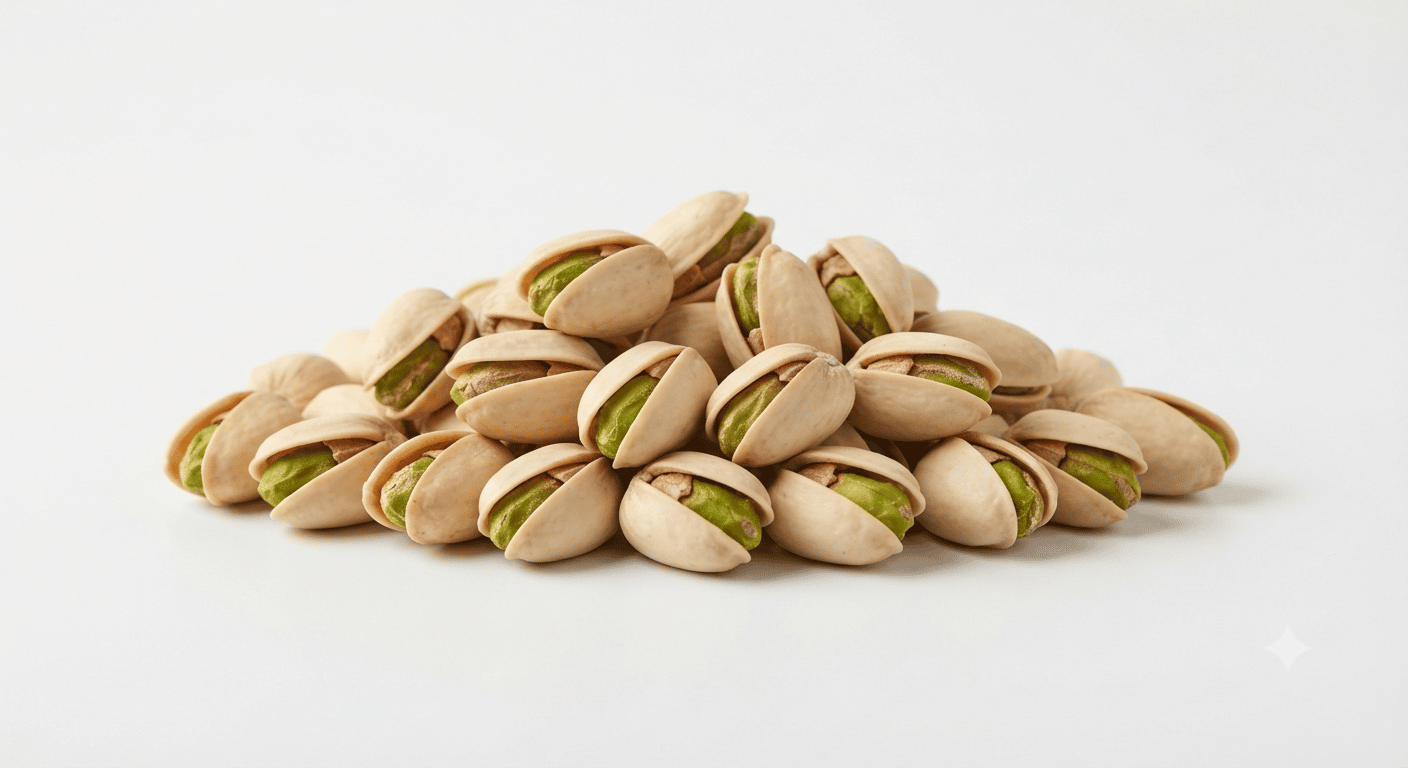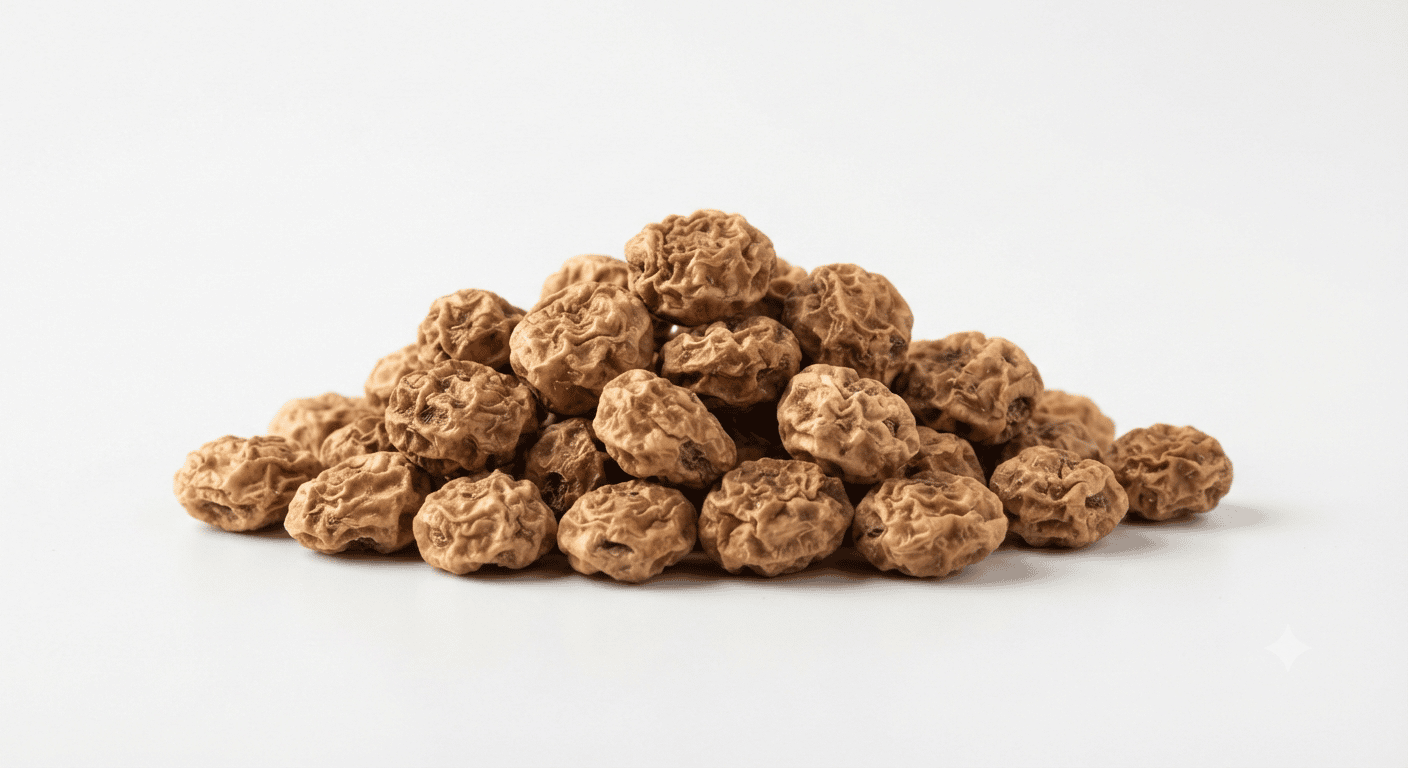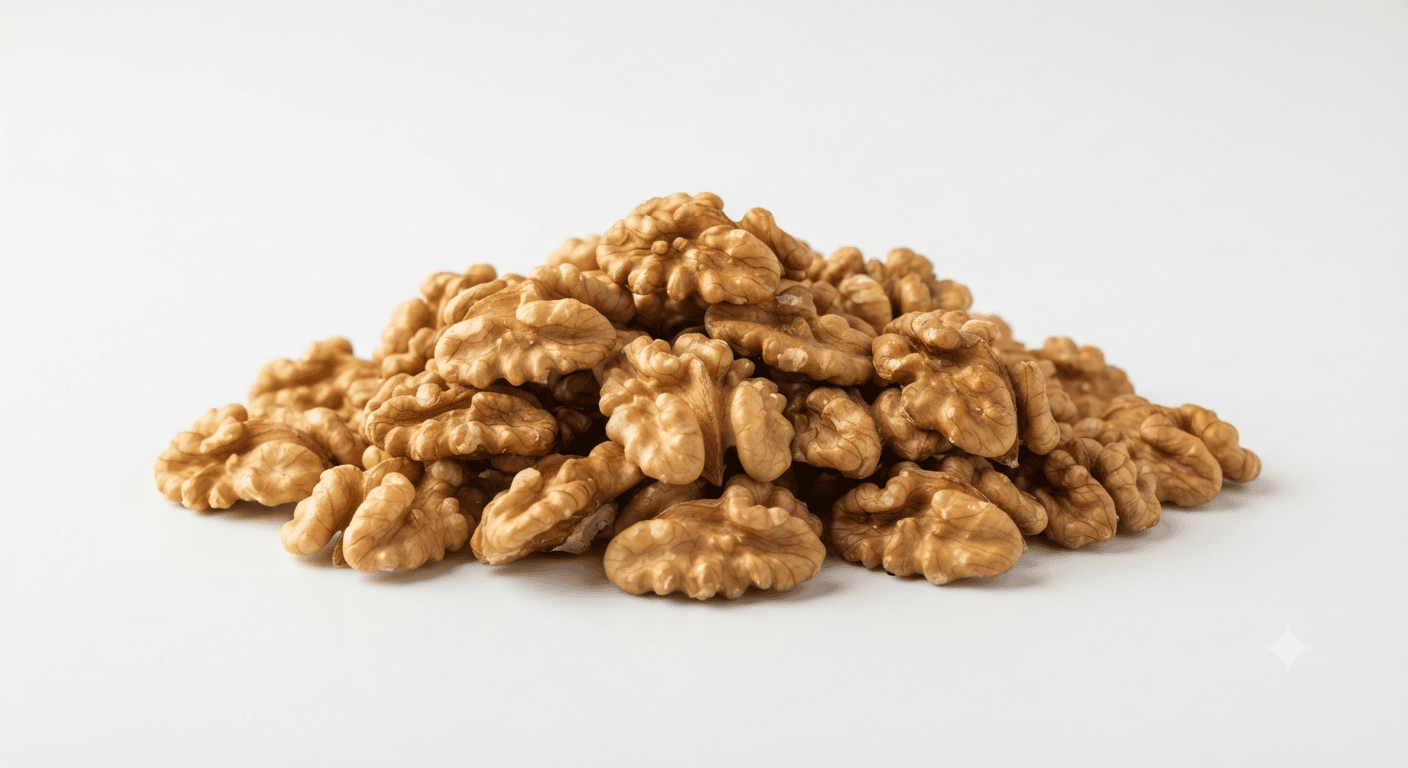
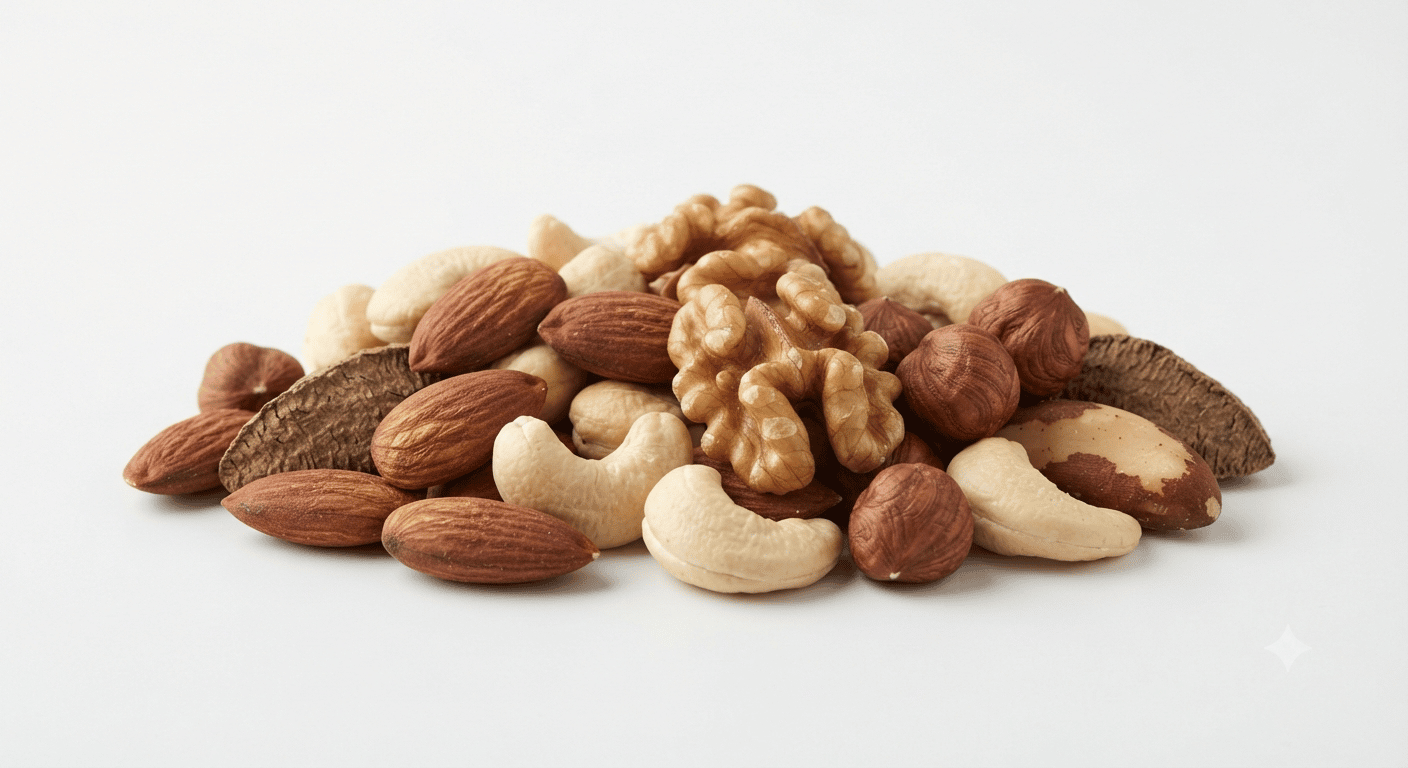
Every type of nut broken down by portion, with protein, fibre and salt compared, and what roasting, salting and coating change about the figures.
Nuts sit awkwardly in most nutrition guides. They are calorie dense, which makes them look like something to limit. They are also one of the few genuinely nutrient dense snacks available, high in protein, fibre and unsaturated fat, with almost no free sugar.
For young children, the questions that matter most are not about calories at all.
Every major health authority agrees on the core point. Whole nuts, coarsely chopped nuts and chunks of nut butter are a choking risk for young children and should not be given.
Where they differ is the age at which that stops applying. UK guidance says under five. The American Academy of Pediatrics is generally cited at four, on the reasoning that children lack the molars to break a nut down safely before then. Some allergy bodies also use five. Individual paediatric allergy specialists have given three.
The practical answer is that the exact number matters less than the mechanism. The risk is a hard, round, airway-sized object in a mouth that cannot yet grind it. That risk fades gradually with molars and chewing skill, not on a birthday. If you want a single rule, five is the most cautious of the published thresholds. If you want the one that applies where you live, check your own national guidance.
Age-appropriate forms across all of these are the same: smooth nut butter thinned into another food, or nuts very finely ground into something soft.
Parents advised to delay peanuts until age three were given guidance that has since been overturned in every major market. Introducing peanut early and keeping it in the diet regularly reduces the risk of developing a peanut allergy.
Timing again varies slightly. UK guidance points to around six months, alongside other first foods. US guidance is more granular: for infants with egg allergy or severe eczema, between four and six months, with allergy testing considered first; for mild to moderate eczema, around six months; for infants with no risk factors, at the family's discretion.
The common thread across all of them is that delaying is the risk, and that any introduction uses nut butter or ground nut, never a whole nut. If your child has an existing food allergy or moderate to severe eczema, speak to a clinician before introducing peanut rather than following a general guide.
Between nut types the differences are real but modest. Almonds carry more fibre than most. Brazil nuts are a notable source of selenium. Walnuts have a distinct fat profile. All sit broadly in the same calorie range, roughly 600 calories per 100g, or around 170 per 30g portion, which is high but comes with protein and fibre attached.
The bigger variable is processing. Plain and dry roasted nuts are close to the raw product. Salted nuts introduce the only meaningful sodium in the category. Honey roasted, chocolate coated and flavoured nuts add free sugar to a food that otherwise has almost none.
A 30g portion of plain almonds and a 30g portion of honey roasted peanuts are not the same food, and the ingredient list is where you can see it.
Each page includes a full nutrition breakdown per portion in grams and ounces, sodium and free sugar checked against daily limits for your age and country, protein and fibre against age-appropriate targets, and clear guidance on age suitability and preparation for younger children.