167 items on the current US menu, lowest first, as a share of the USDA estimated daily calorie needs for the person eating.
 Royal English Breakfast Tea (Grande)Tea and ChaiJoint0g protein, 0mg sodium0 cal0% of day2
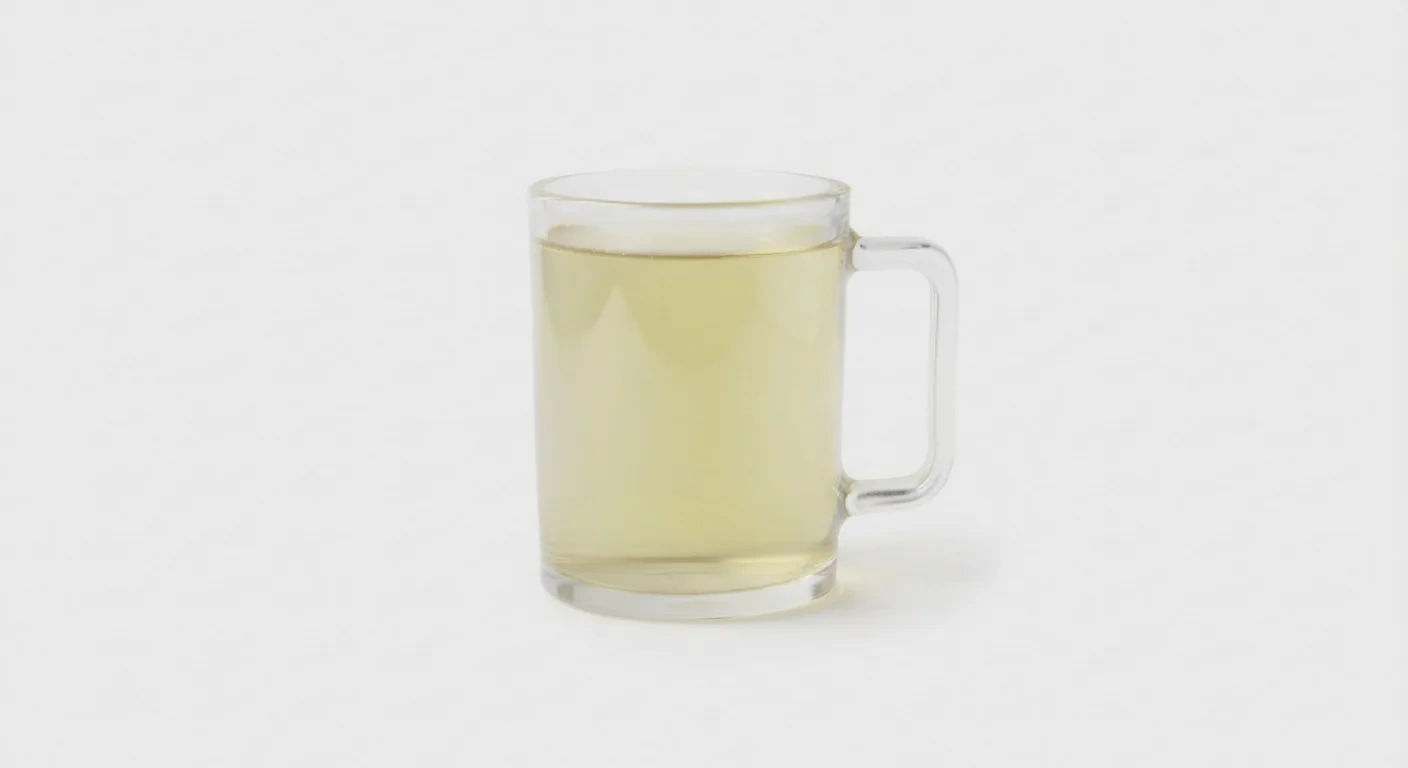 Emperor's Clouds & Mist Tea (Grande)Tea and ChaiJoint0g protein, 0mg sodium0 cal0% of day3
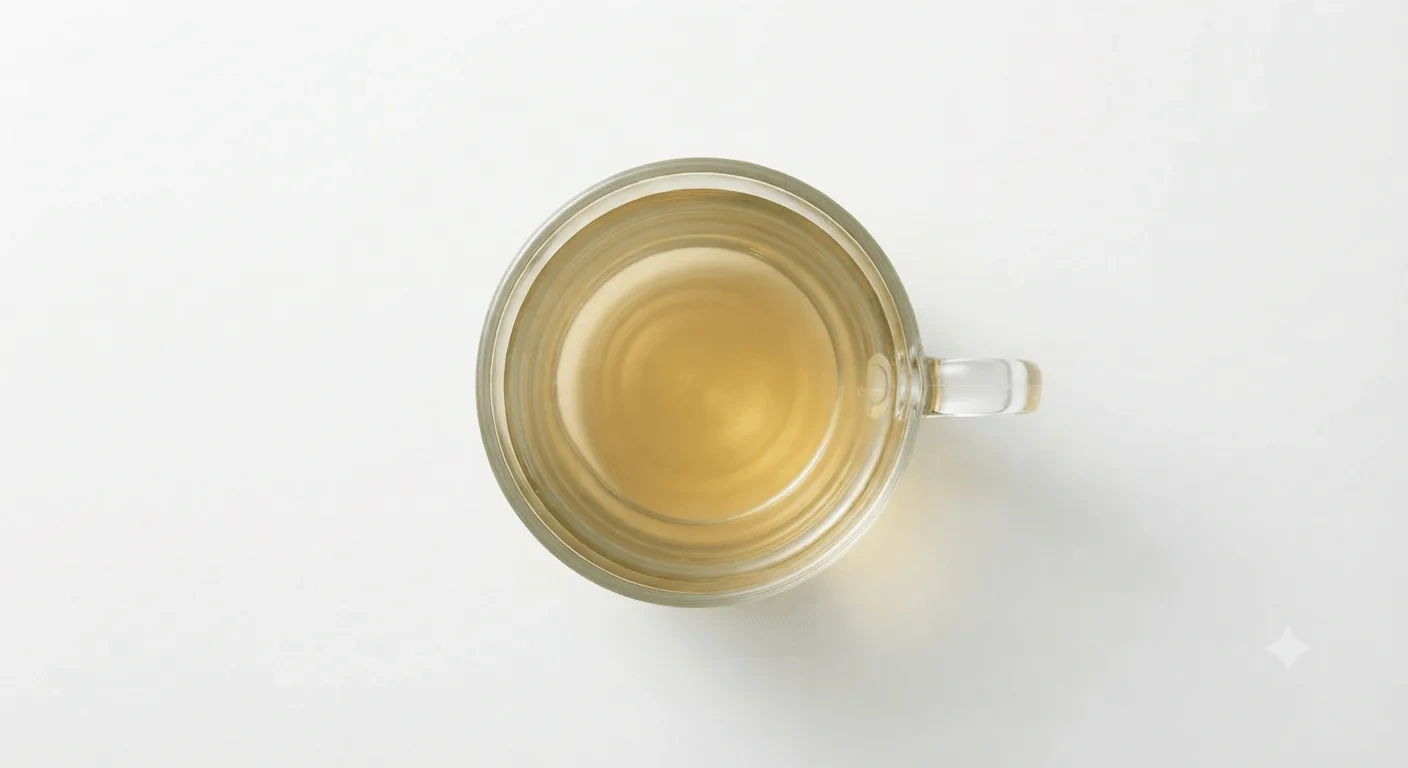 Mint Majesty Tea (Grande)Tea and ChaiJoint0g protein, 0mg sodium0 cal0% of day4
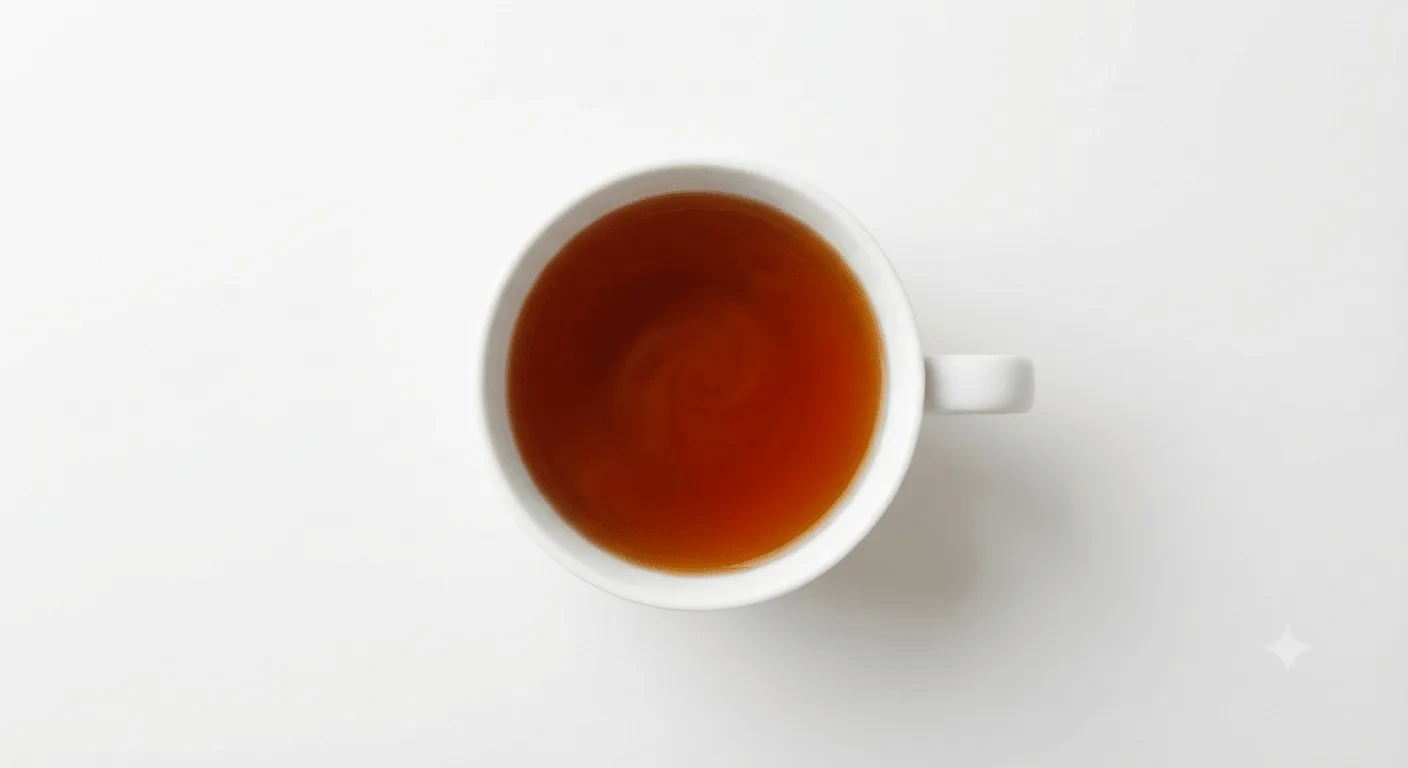 Earl Grey Tea (Grande)Tea and ChaiJoint0g protein, 0mg sodium0 cal0% of day5
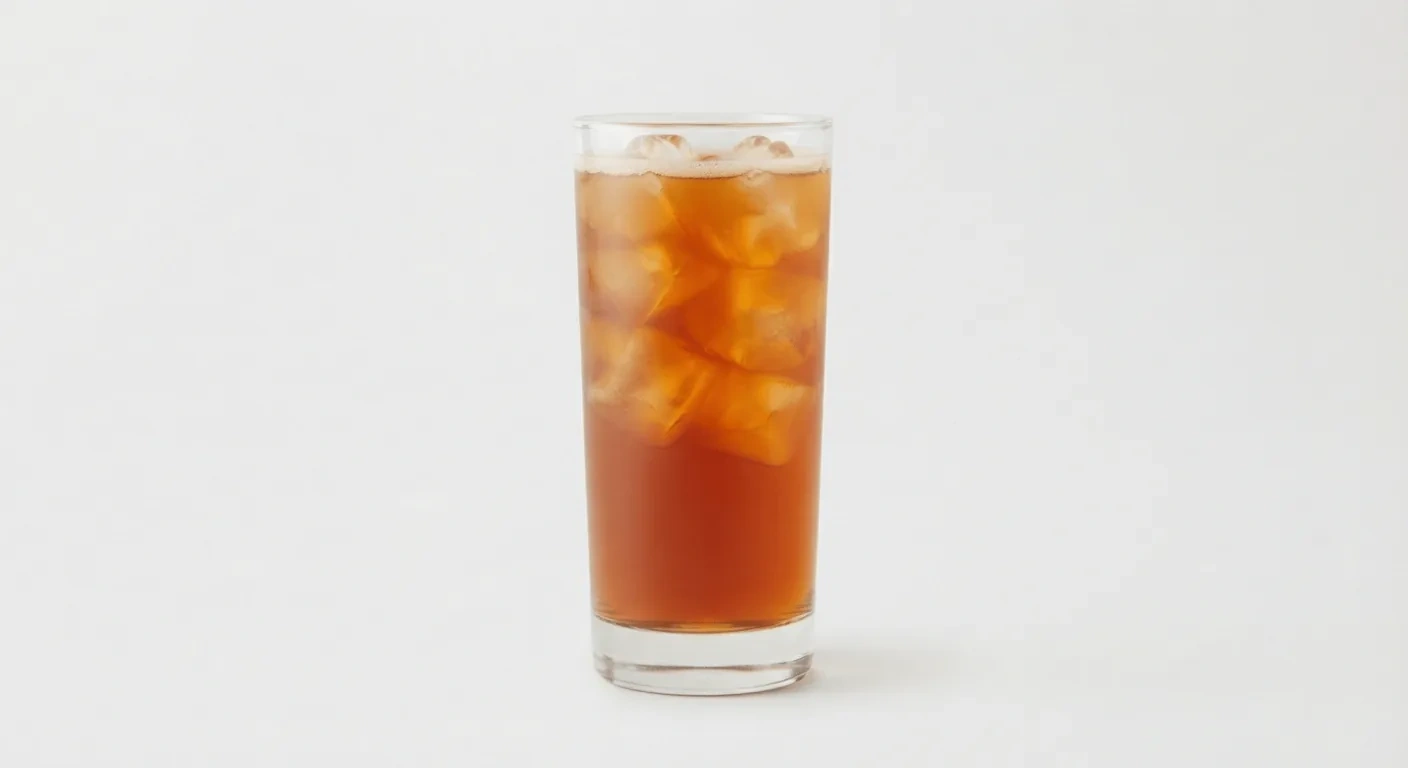 Iced Black Tea (Grande)Tea and ChaiJoint0g protein, 10mg sodium0 cal0% of day
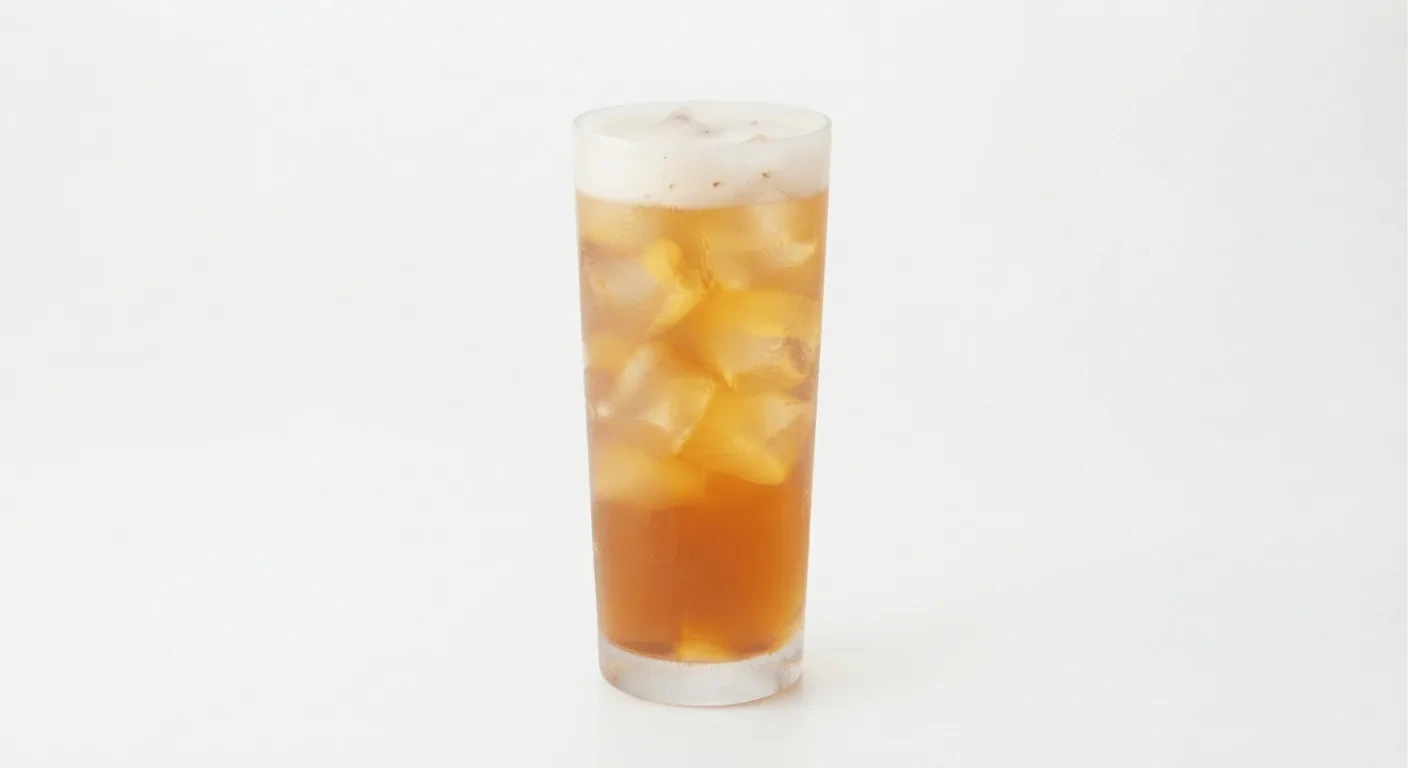 Iced Green Tea (Grande)Tea and ChaiJoint0g protein, 10mg sodium0 cal0% of day7
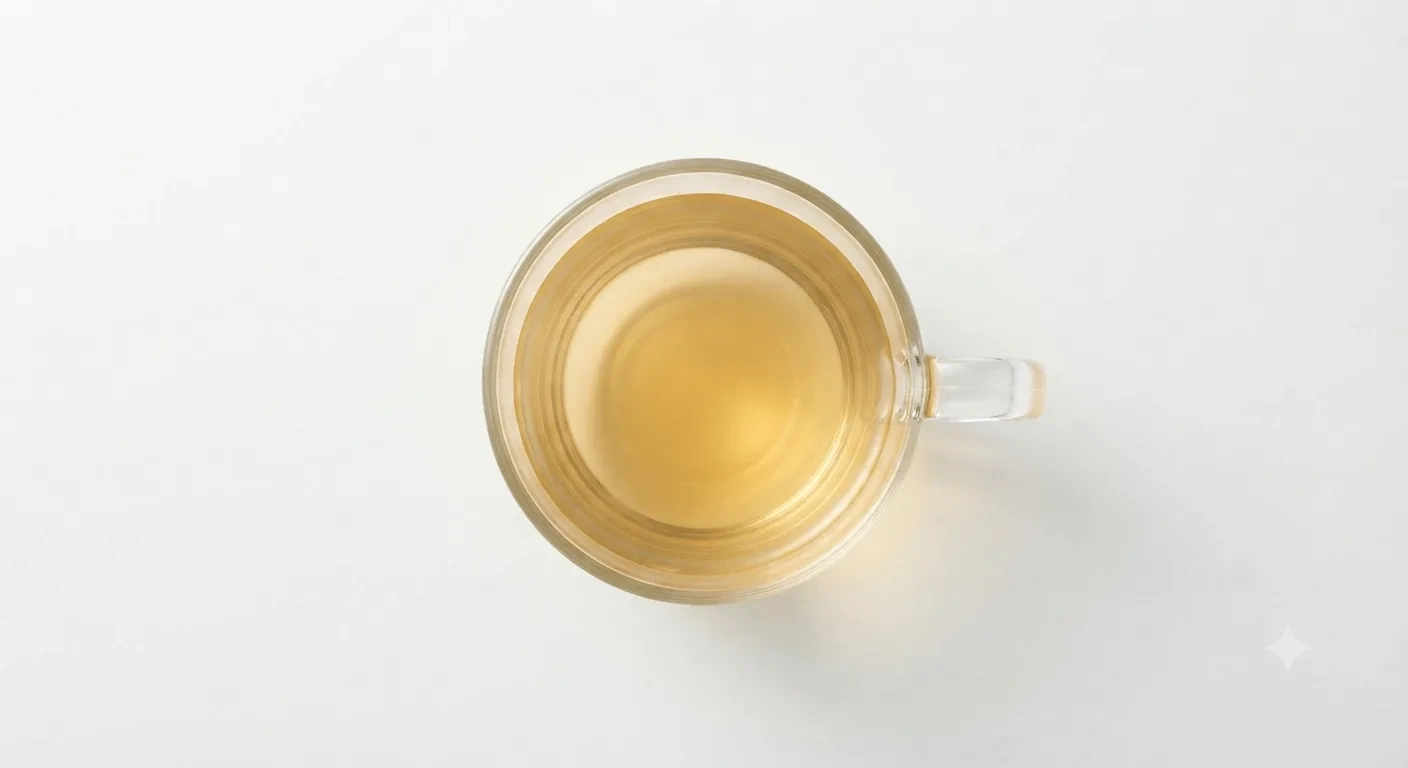 Chamomile Mint Blossom Tea (Grande)Tea and ChaiJoint0g protein, 0mg sodium5 cal0% of day8
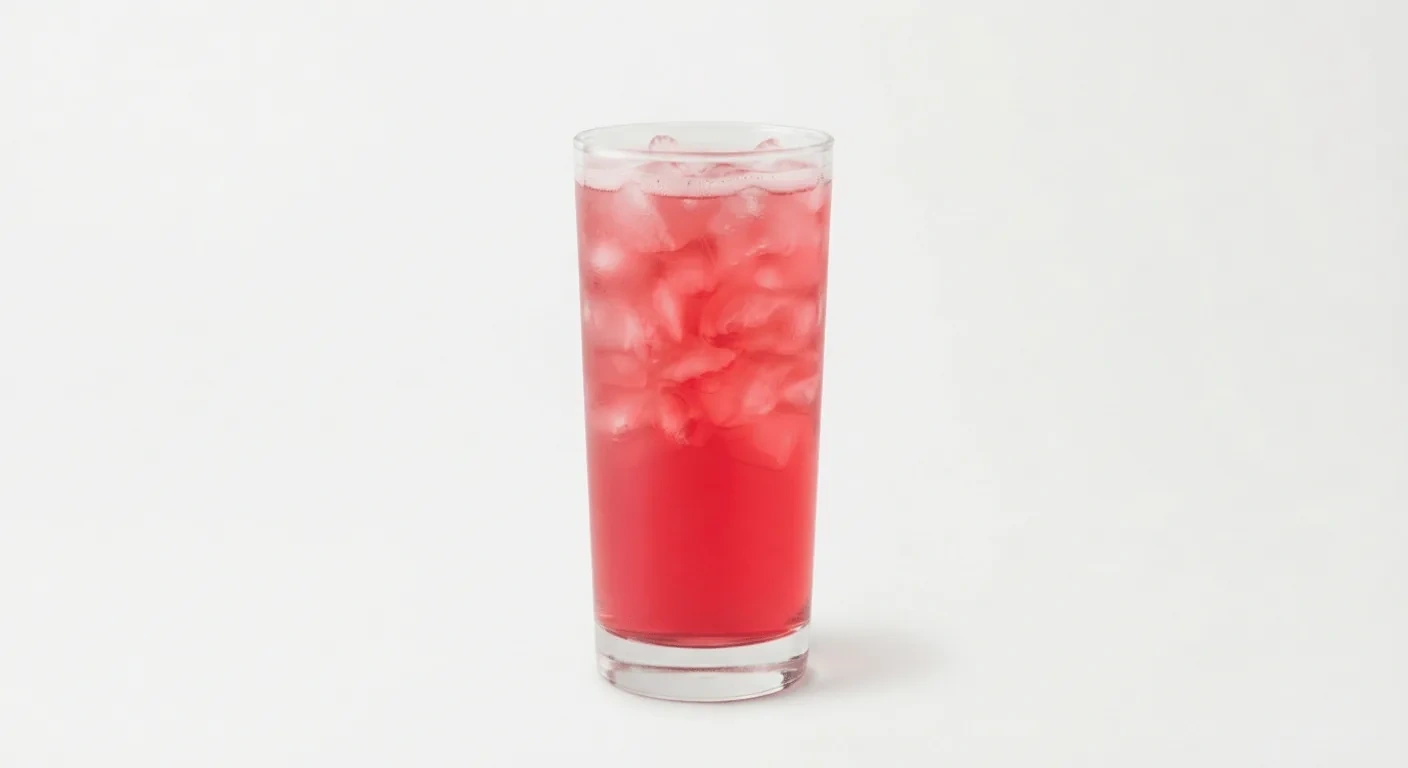 Iced Passion Tango Tea (Grande)Tea and ChaiJoint0g protein, 10mg sodium5 cal0% of day9
 Sunsera Blonde Roast (Grande)Hot Coffee and EspressoJoint1g protein, 10mg sodium5 cal0% of day10
 1971 Dark Roast (Grande)Hot Coffee and EspressoJoint1g protein, 10mg sodium5 cal0% of day
Item images are illustrations created by Boone, not photographs.
Each dot is one item, coloured by menu section. Frappuccino Blended Drinks sit highest for calories on average; Tea and Chai sit lowest.
The same part of the menu, compared.
Tea and ChaiRoyal English Breakfast Tea (Grande)0 cal, against Iced Pumpkin Cream Chai (Grande) at 400 calSaves 400 calHot Coffee and EspressoSunsera Blonde Roast (Grande)5 cal, against White Chocolate Mocha (Grande) at 390 calSaves 385 cal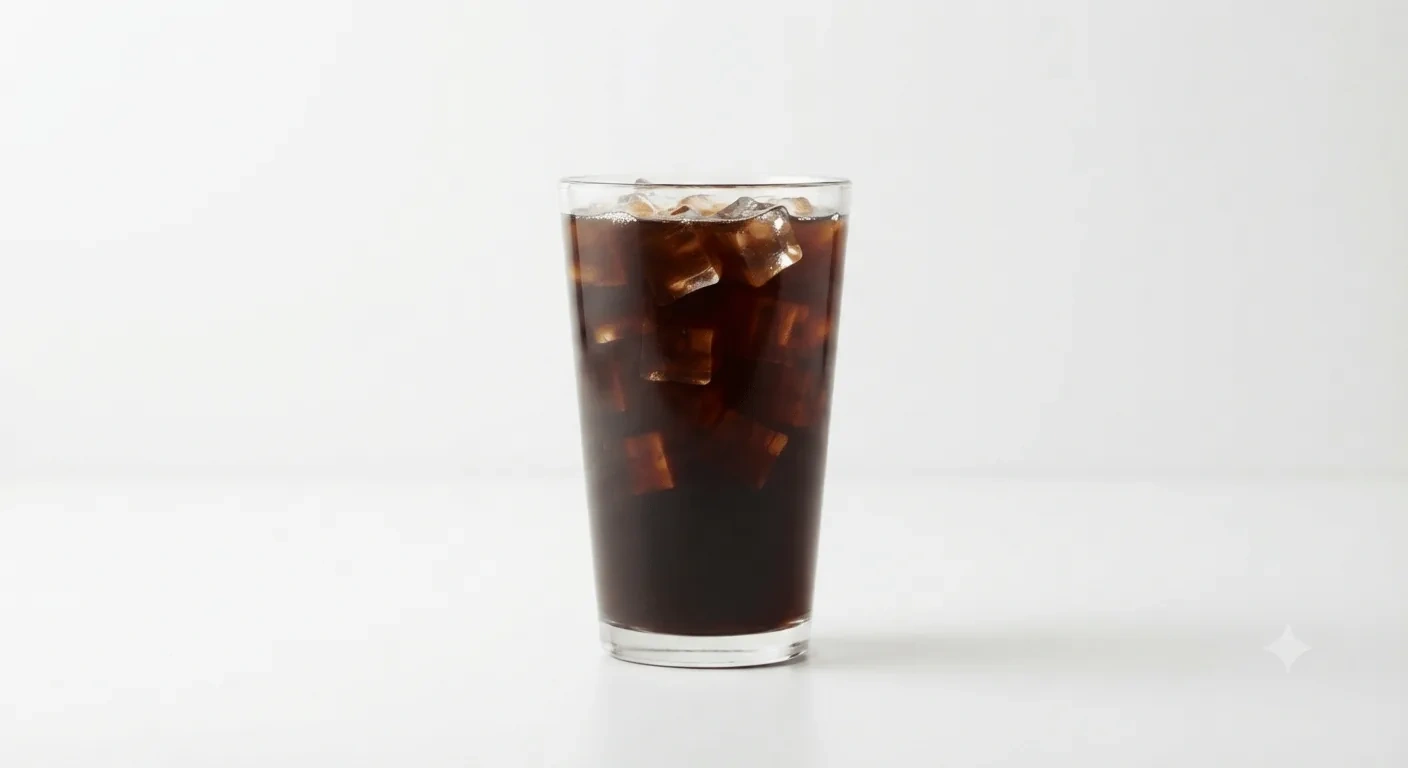 Cold Coffee and Cold BrewCold Brew (Grande)5 cal, against Iced Dubai Chocolate Mocha (Grande) at 470 calSaves 465 cal
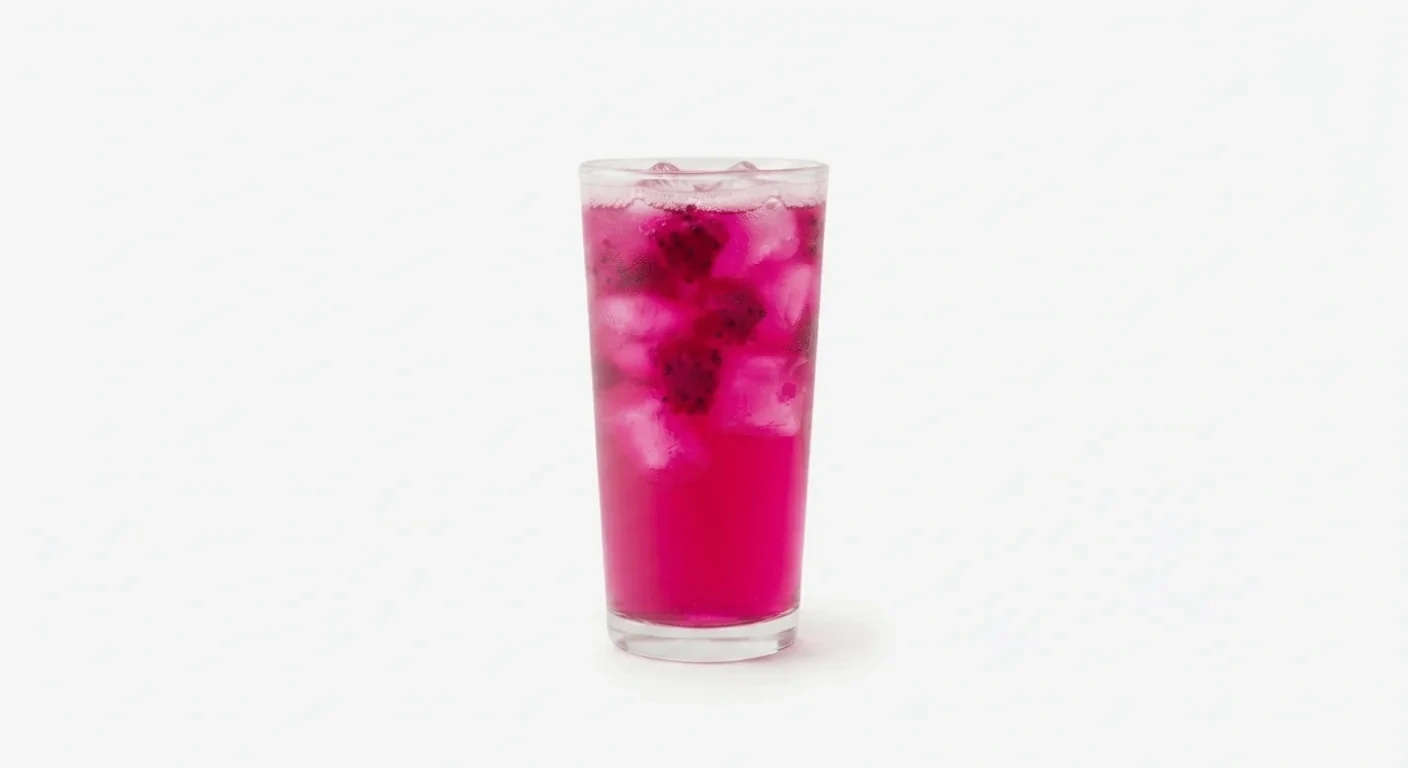 Refreshers and Energy DrinksMango Dragonfruit Refresher (Grande)90 cal, against Mango Strawberry Lemonade Energy Refresher (Grande) at 180 calSaves 90 cal
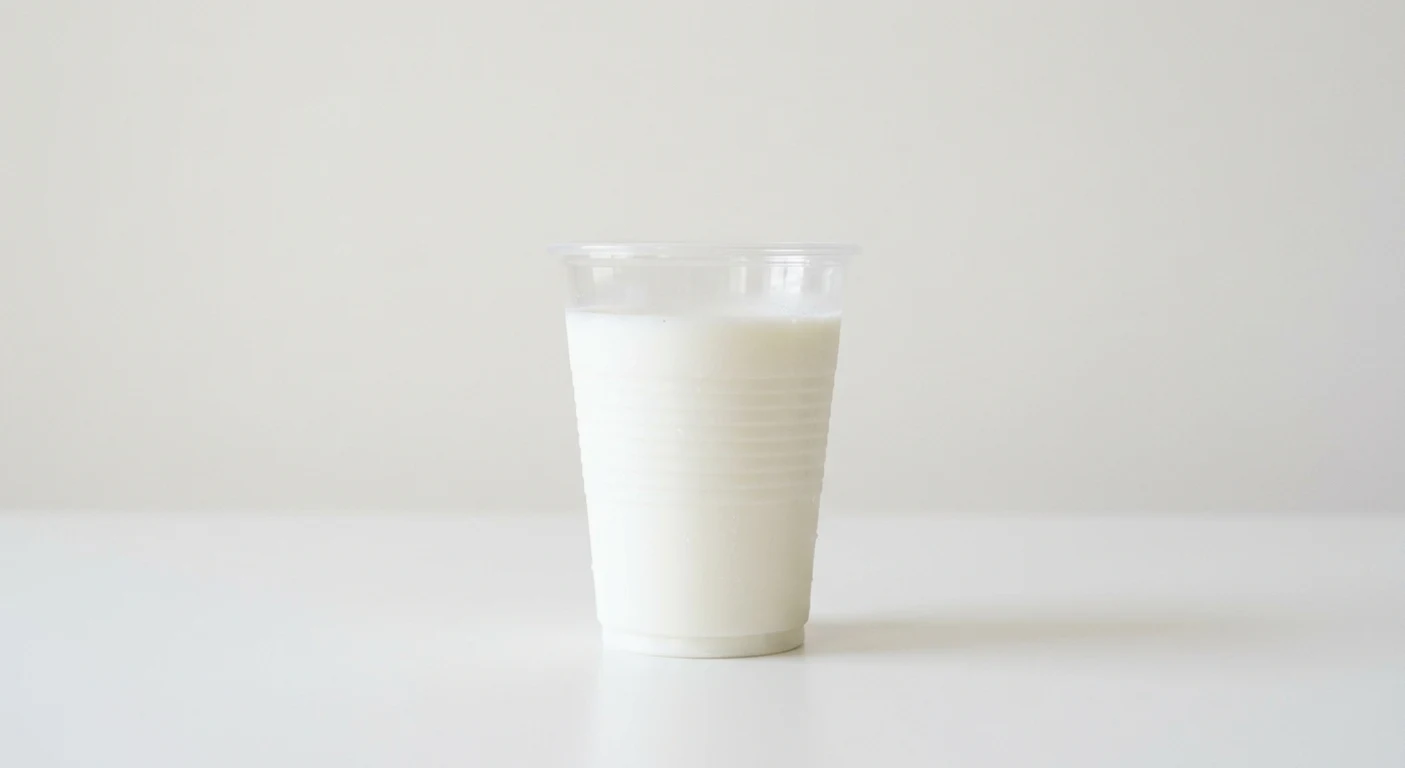 Hot Chocolate, Lemonade and MoreHorizon Organic Lowfat Milk110 cal, against Hot Chocolate (Grande) at 370 calSaves 260 cal
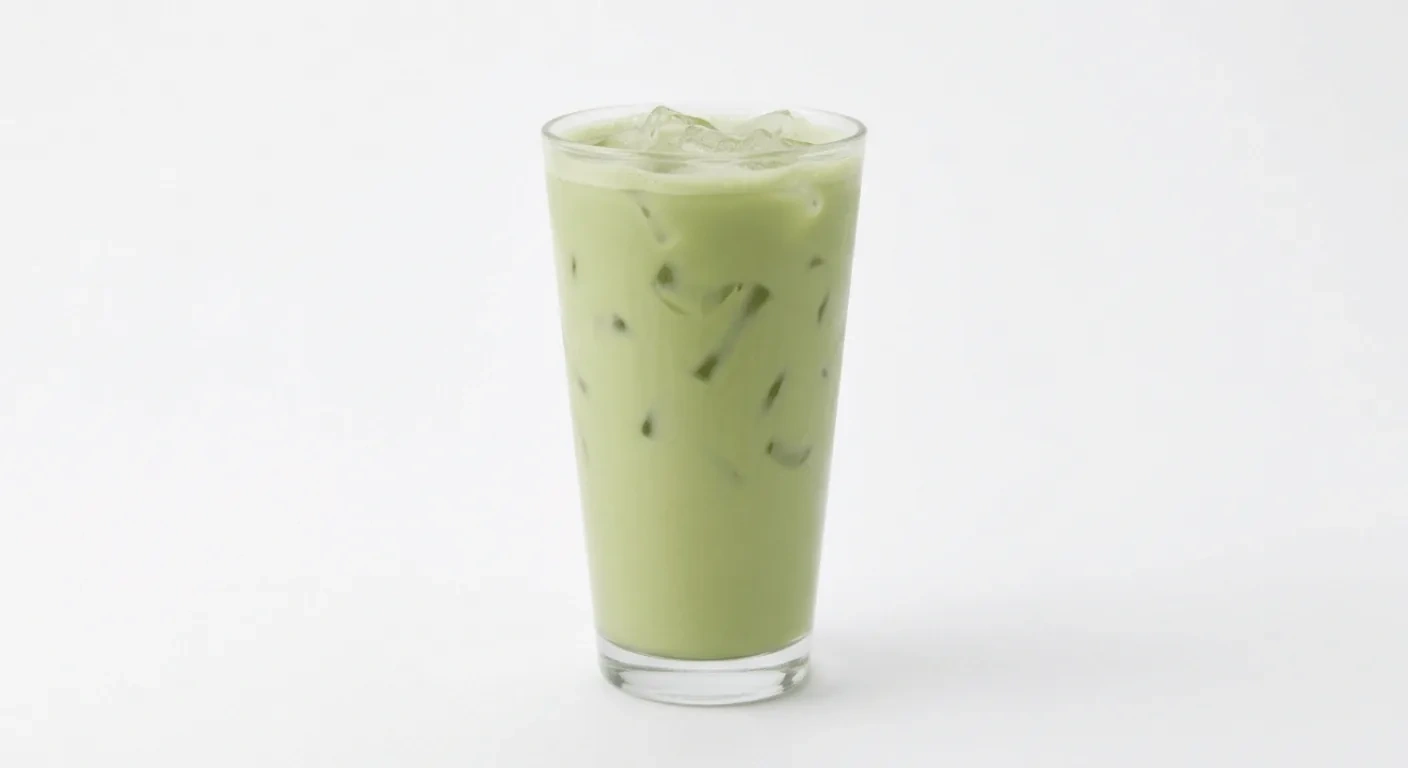 MatchaIced Matcha Latte (Grande)190 cal, against Iced Dubai Chocolate Matcha (Grande) at 400 calSaves 210 cal
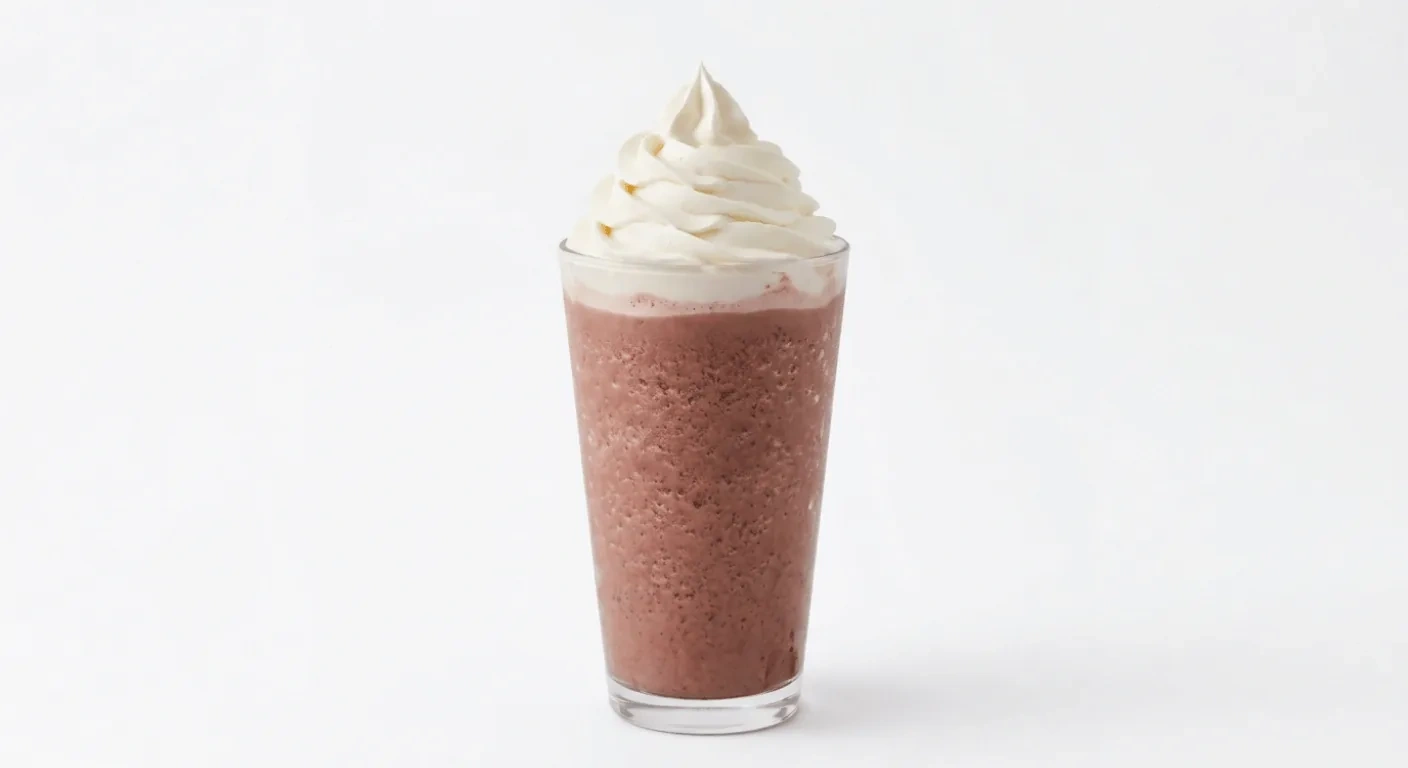 Frappuccino Blended DrinksCoffee Frappuccino (Grande)230 cal, against Mocha Cookie Crumble Frappuccino (Grande) at 480 calSaves 250 cal
The Mocha Cookie Crumble Frappuccino (Grande), at 480 cal. That is 24% of the 2,000 calorie estimated need for an adult woman.
The Royal English Breakfast Tea (Grande), at 0 cal.
USDA estimates for moderately active people: 2,000 for adult women and 2,600 for adult men, 1,800 to 2,000 for ages 9 to 13 and 1,500 for ages 4 to 8.
Calories are from Starbucks US published nutrition information from the starbucks.com menu, for the standard recipe in each size, checked in October 2026. Drinks are ranked from lowest to highest within each menu section. Each drink is ranked in its Grande size, or the standard size where there is no Grande (Double shot for espresso drinks); every other size has its own page with the same figures. Daily energy uses USDA estimated needs for moderately active people.
Read the full methodology →Cookies on Boone
We use analytics cookies to see how people use the site so we can improve it. They are only set if you accept. Cookie policy