167 items on the current US menu, highest first, as a share of the USDA estimated daily calorie needs for the person eating.
 Mocha Cookie Crumble Frappuccino (Grande)Frappuccino Blended Drinks6g protein, 270mg sodium480 cal24% of day2
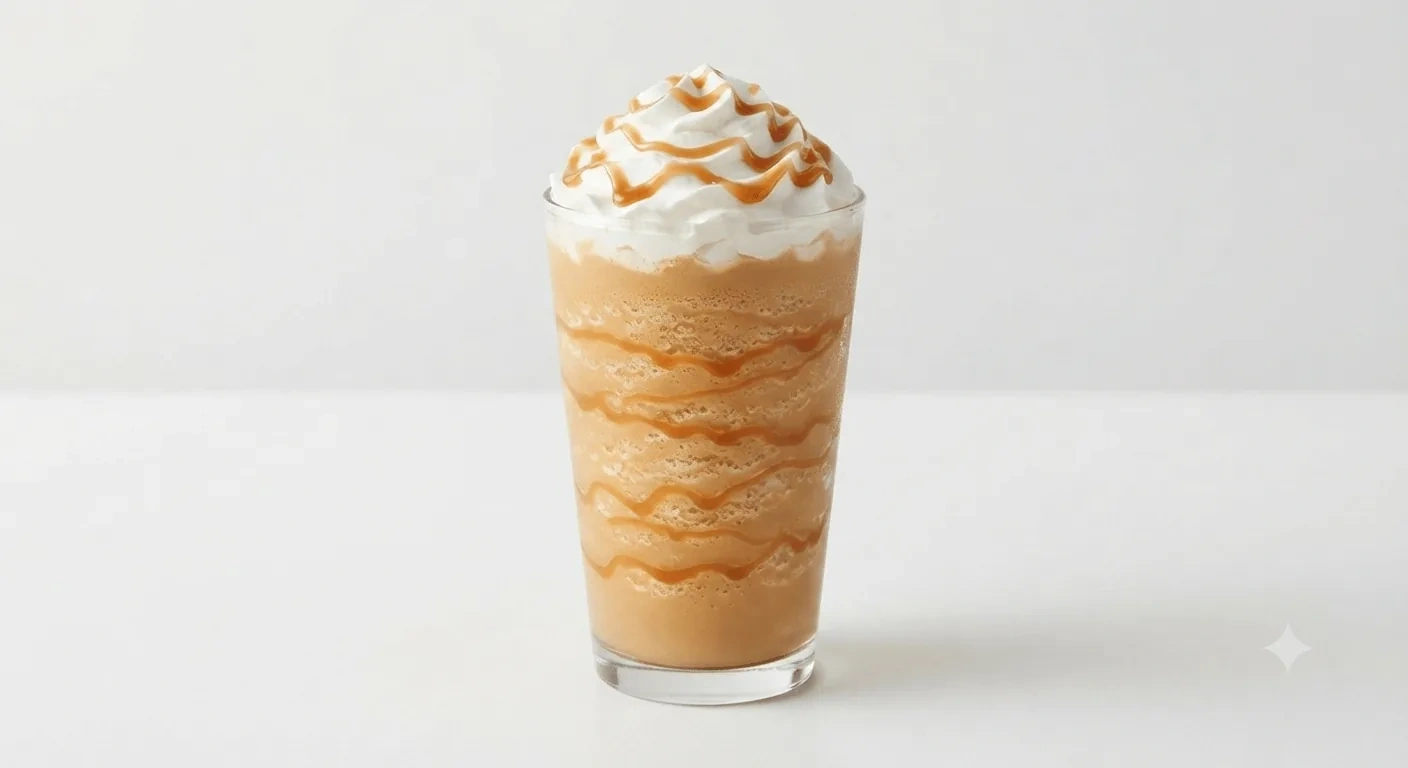 Caramel Ribbon Crunch Frappuccino (Grande)Frappuccino Blended DrinksJoint5g protein, 280mg sodium470 cal24% of day3
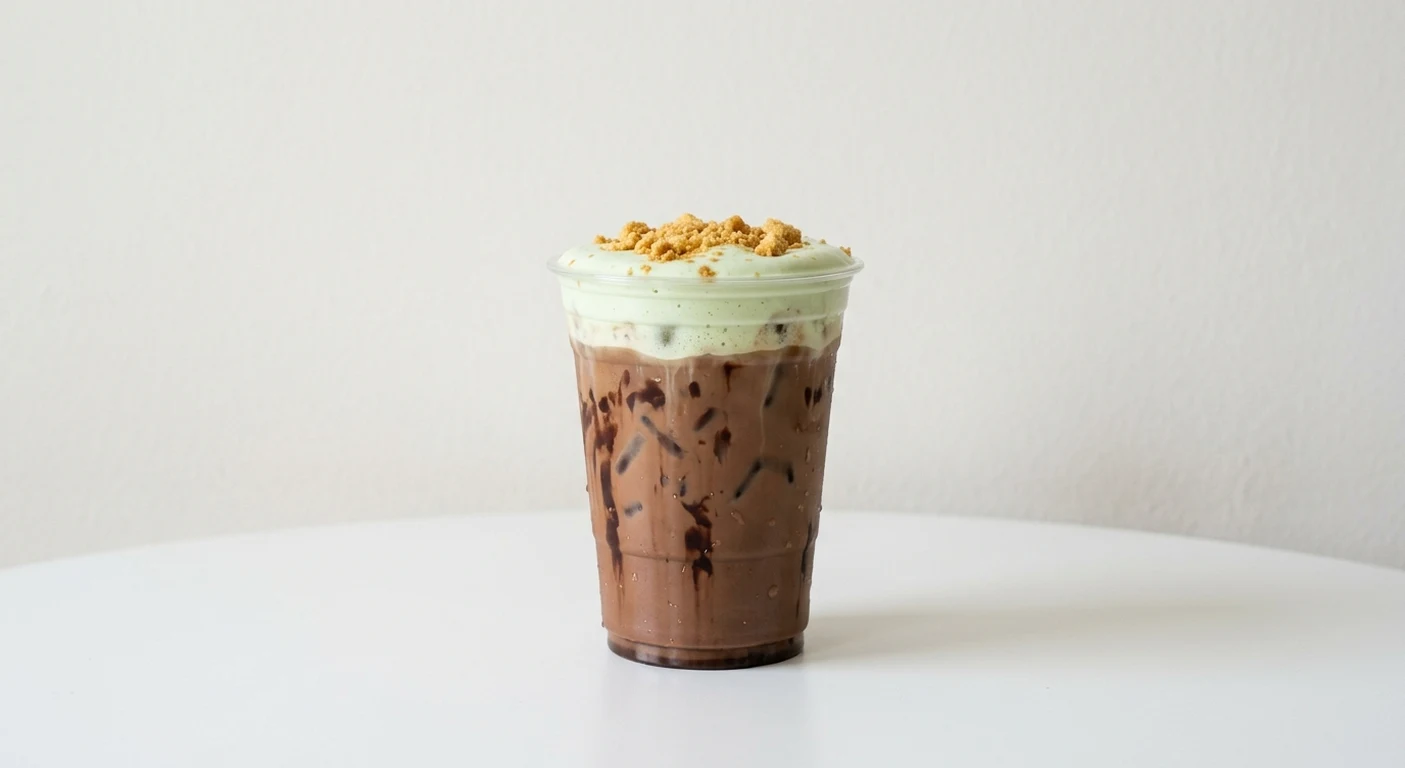 Iced Dubai Chocolate Mocha (Grande)Cold Coffee and Cold BrewJoint12g protein, 230mg sodium470 cal24% of day4
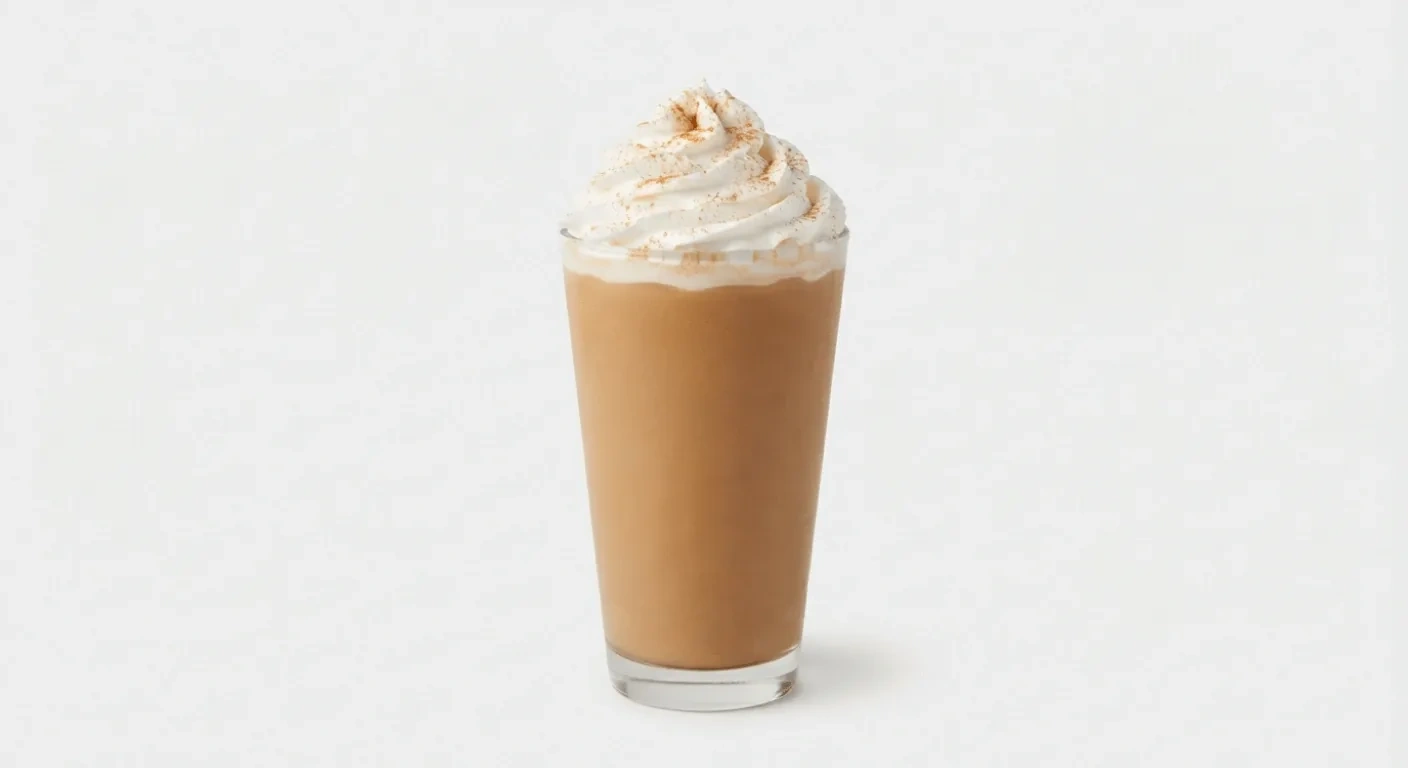 Pumpkin Spice Frappuccino (Grande)Frappuccino Blended Drinks6g protein, 280mg sodium420 cal21% of day5
 Iced Vanilla Protein Cream Shaken Espresso (Grande)Cold Coffee and Cold Brew19g protein, 190mg sodium410 cal20% of day
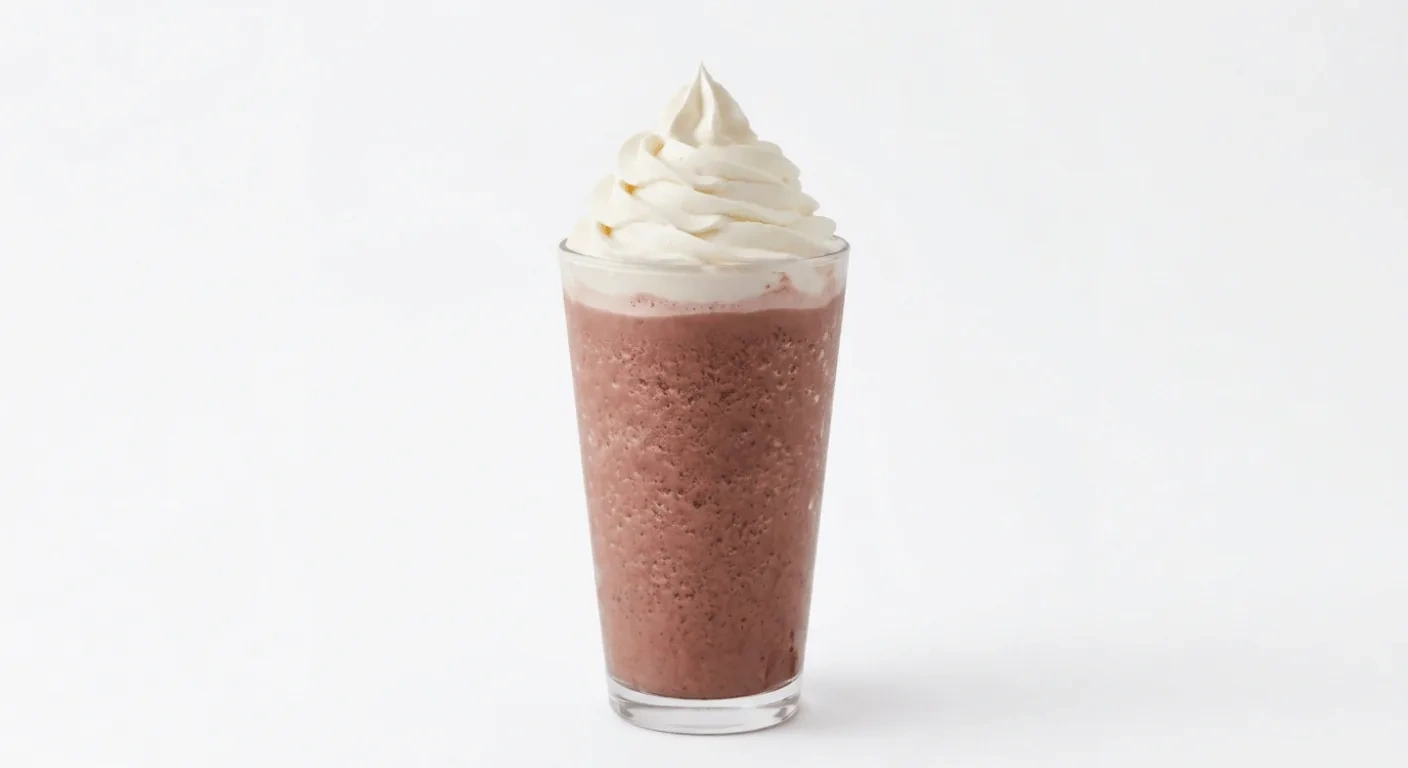 Horchata Frappuccino (Grande)Frappuccino Blended DrinksJoint4g protein, 220mg sodium400 cal20% of day7
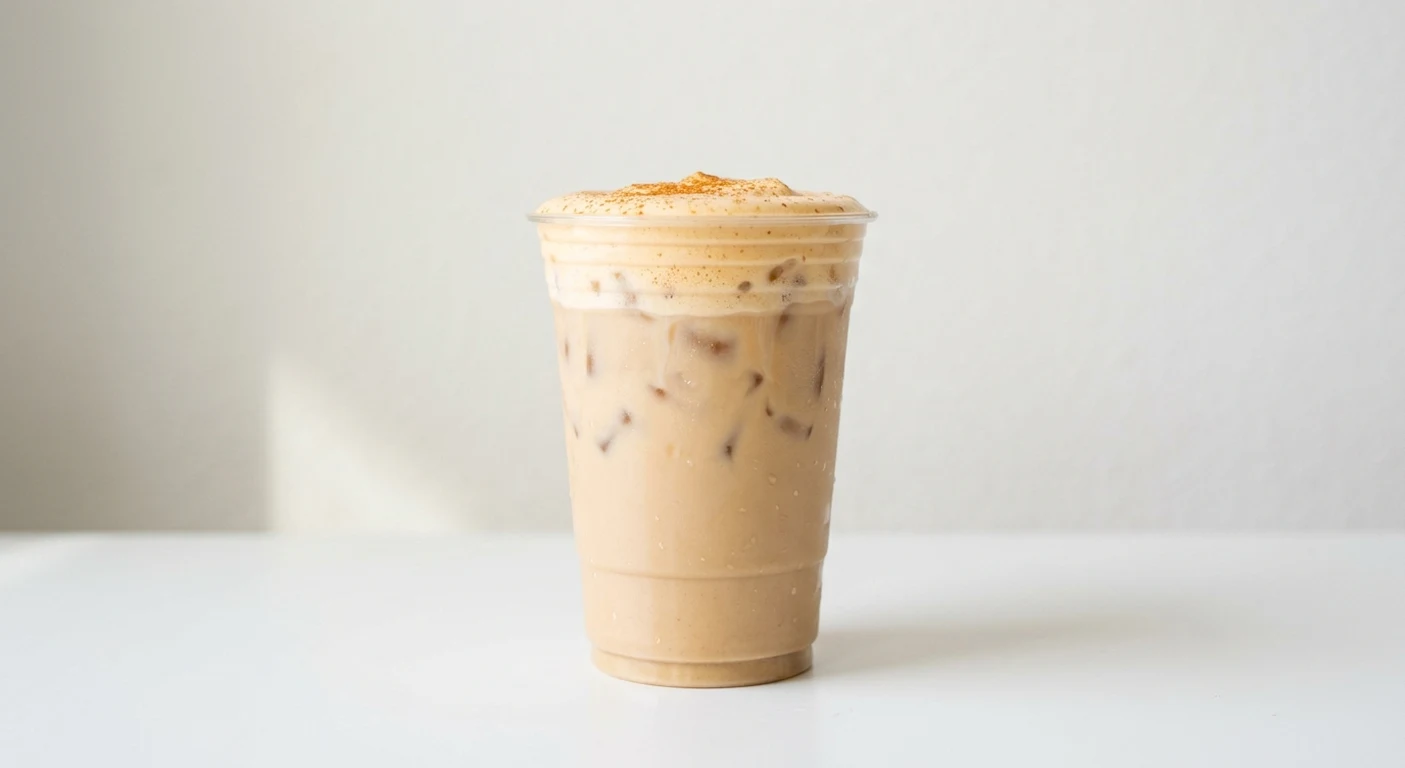 Iced Pumpkin Cream Chai (Grande)Tea and ChaiJoint9g protein, 150mg sodium400 cal20% of day8
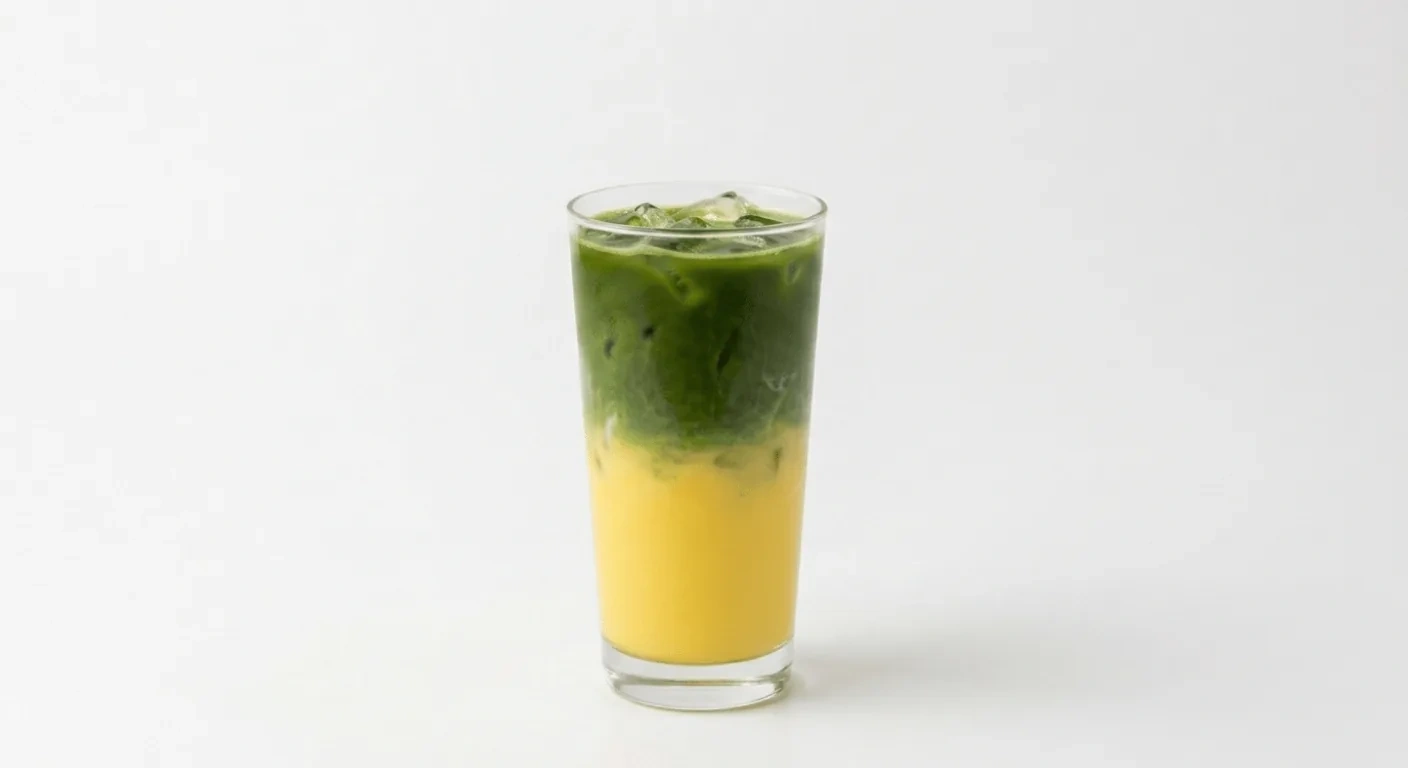 Iced Banana Protein Cream Matcha (Grande)MatchaJoint23g protein, 135mg sodium400 cal20% of day9
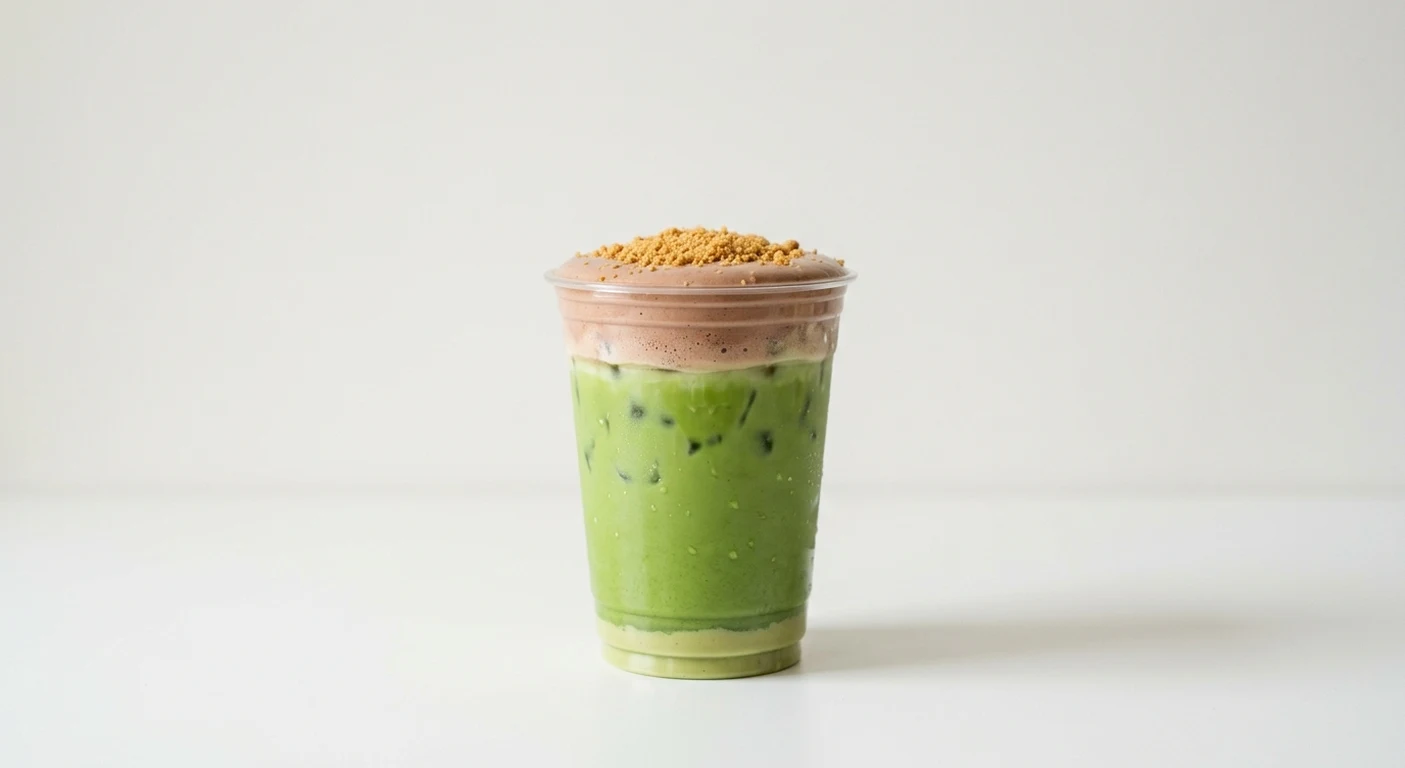 Iced Dubai Chocolate Matcha (Grande)MatchaJoint10g protein, 190mg sodium400 cal20% of day10
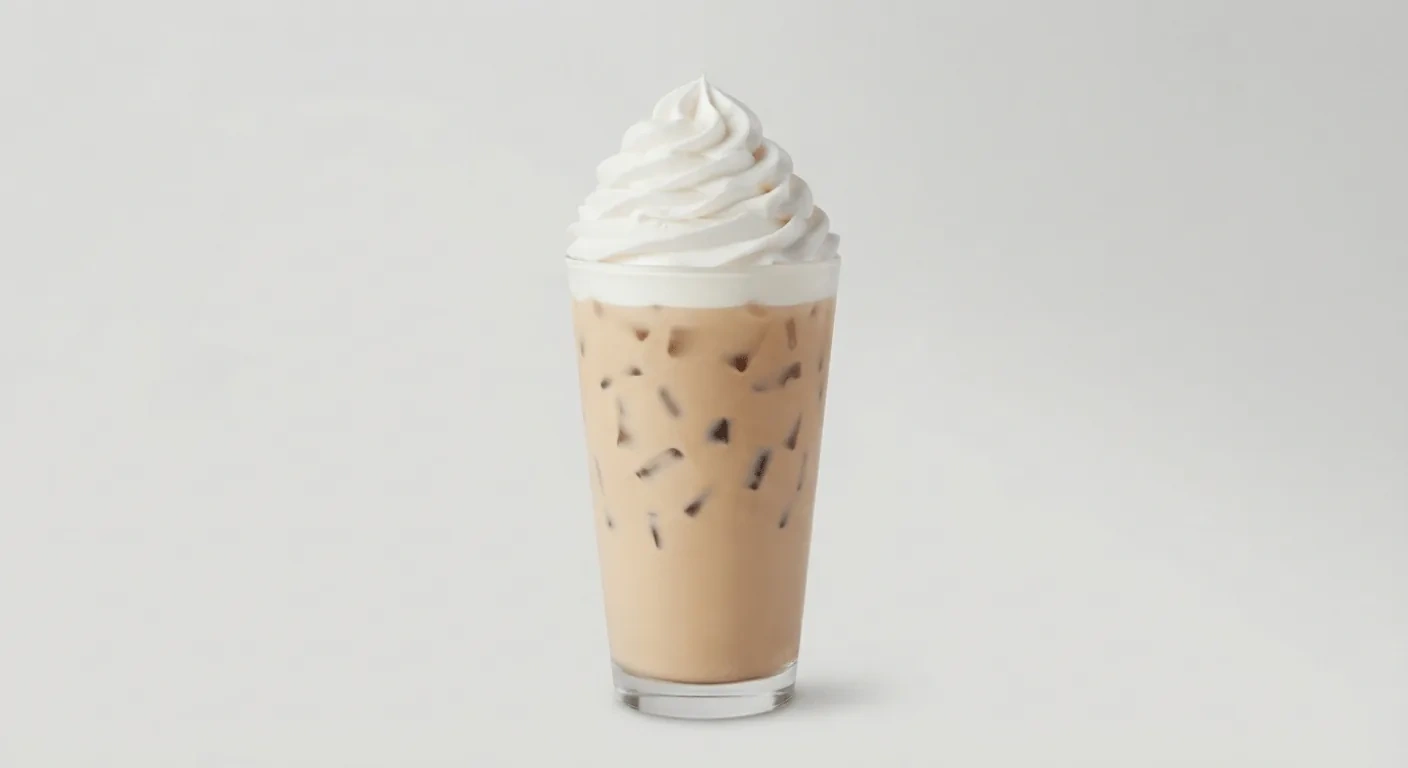 Iced White Chocolate Mocha (Grande)Cold Coffee and Cold BrewJoint11g protein, 190mg sodium390 cal20% of day
Item images are illustrations created by Boone, not photographs.
Each dot is one item, coloured by menu section. Frappuccino Blended Drinks sit highest for calories on average; Tea and Chai sit lowest.
The same part of the menu, compared.
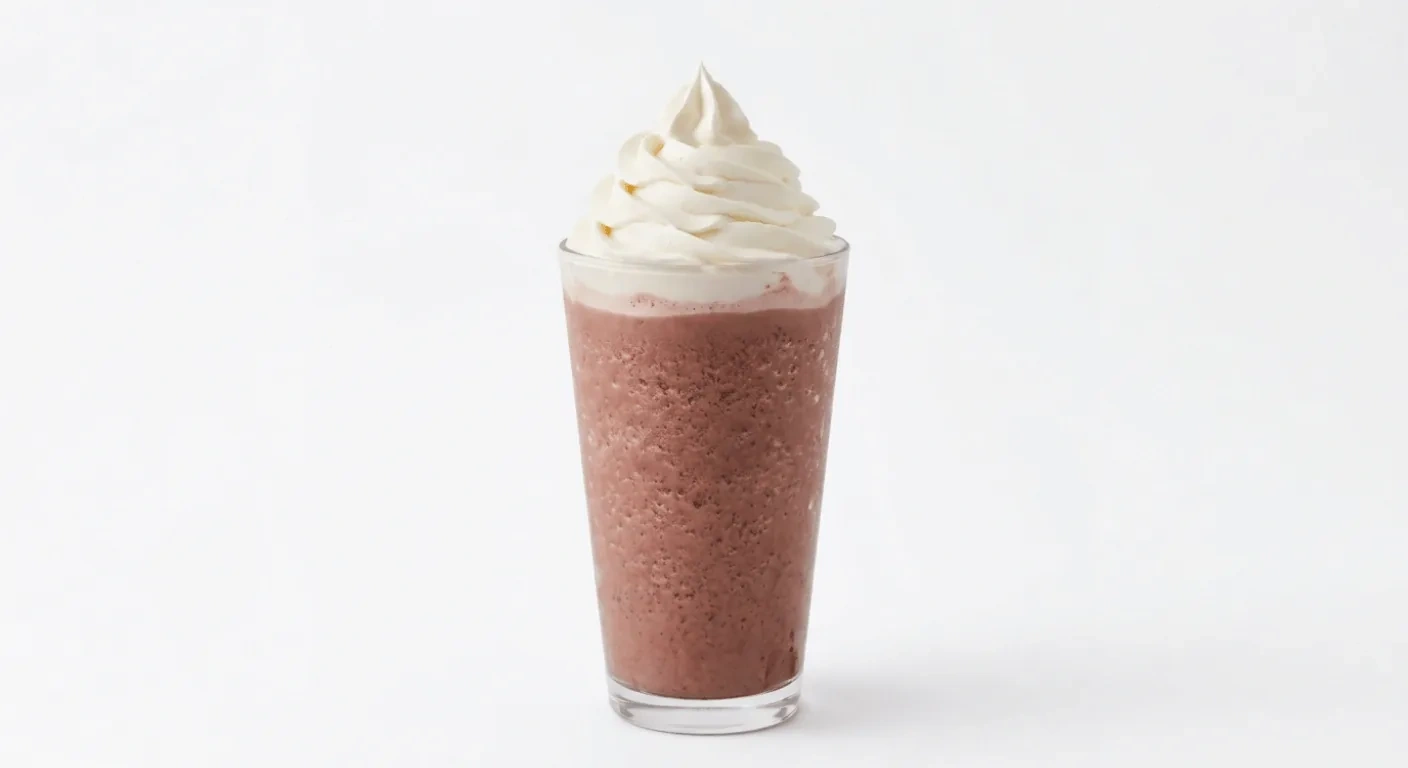 Frappuccino Blended DrinksCoffee Frappuccino (Grande)230 cal, against Mocha Cookie Crumble Frappuccino (Grande) at 480 calSaves 250 cal
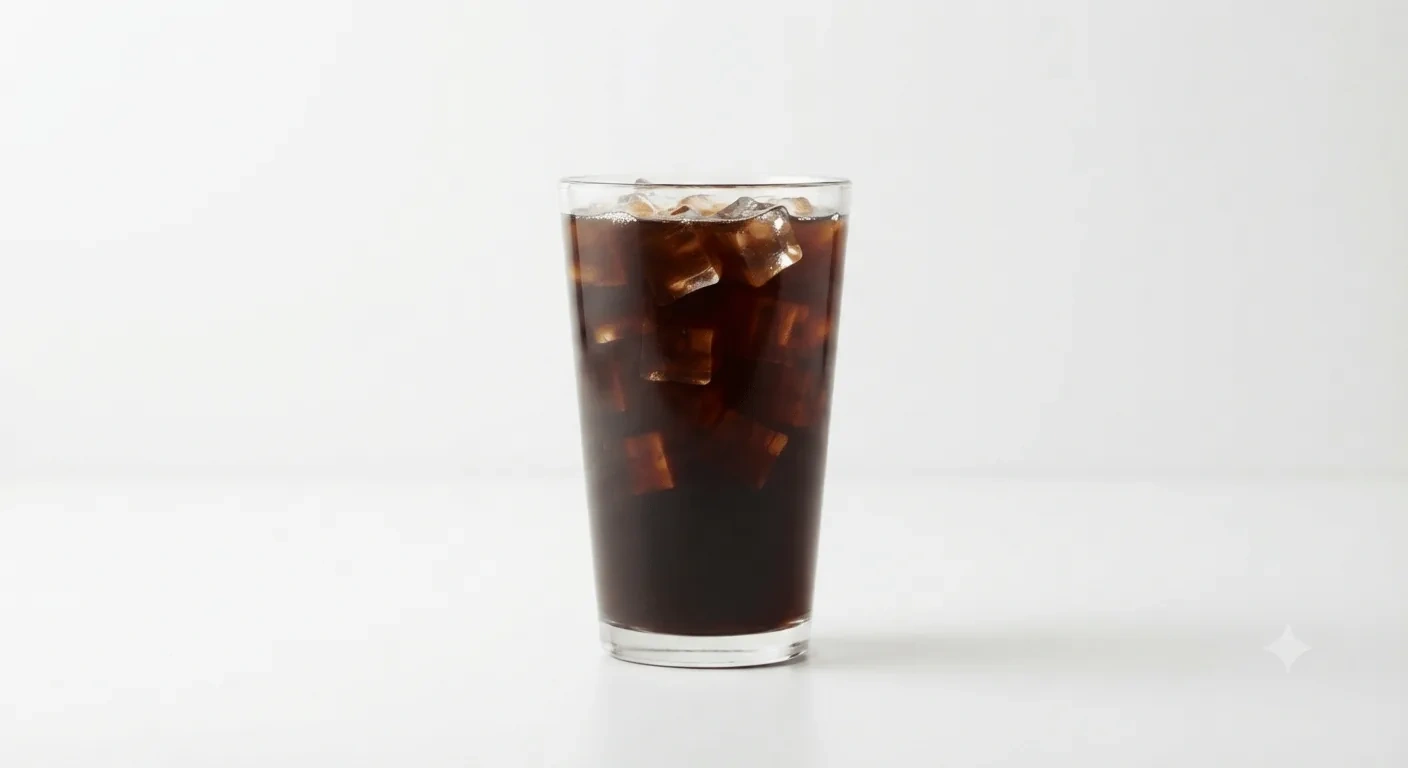 Cold Coffee and Cold BrewCold Brew (Grande)5 cal, against Iced Dubai Chocolate Mocha (Grande) at 470 calSaves 465 cal
 Tea and ChaiRoyal English Breakfast Tea (Grande)0 cal, against Iced Pumpkin Cream Chai (Grande) at 400 calSaves 400 cal
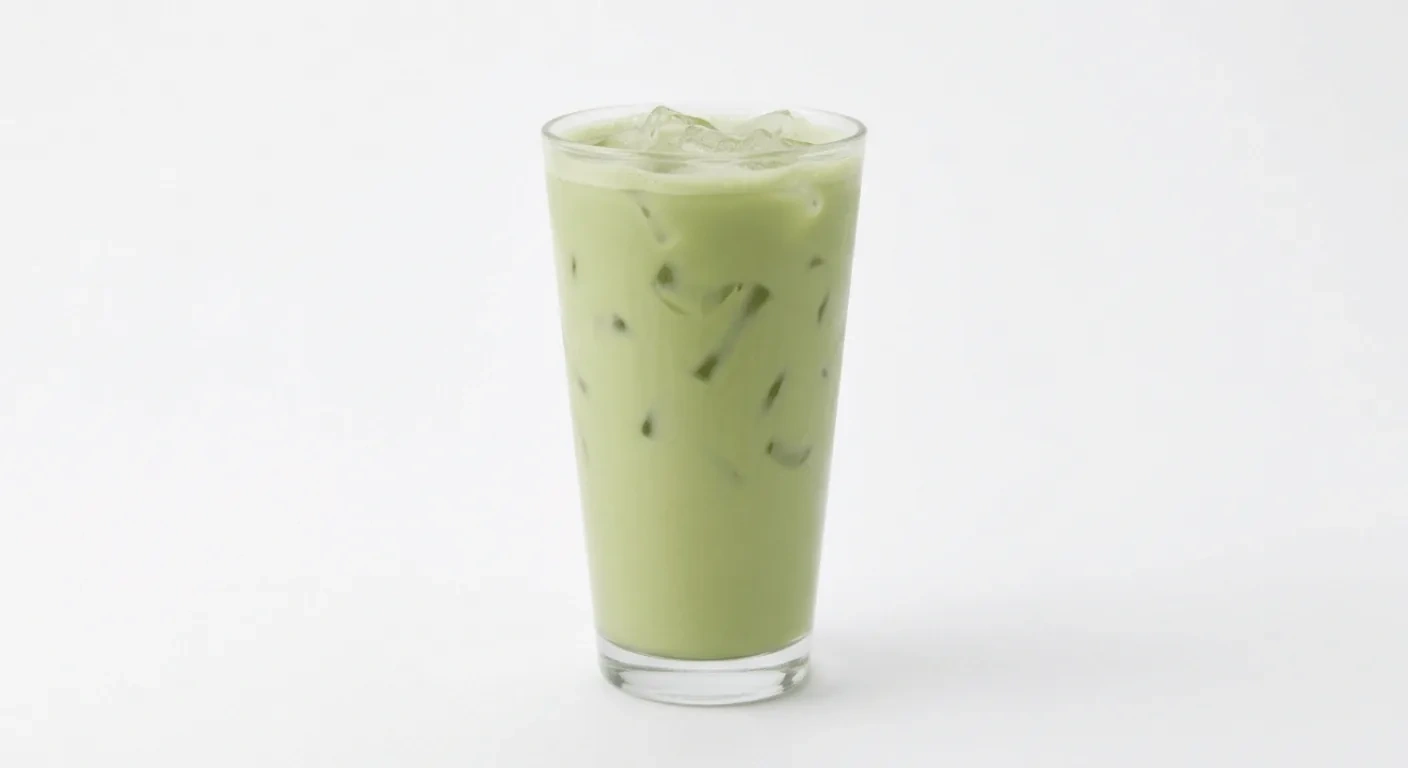 MatchaIced Matcha Latte (Grande)190 cal, against Iced Dubai Chocolate Matcha (Grande) at 400 calSaves 210 cal
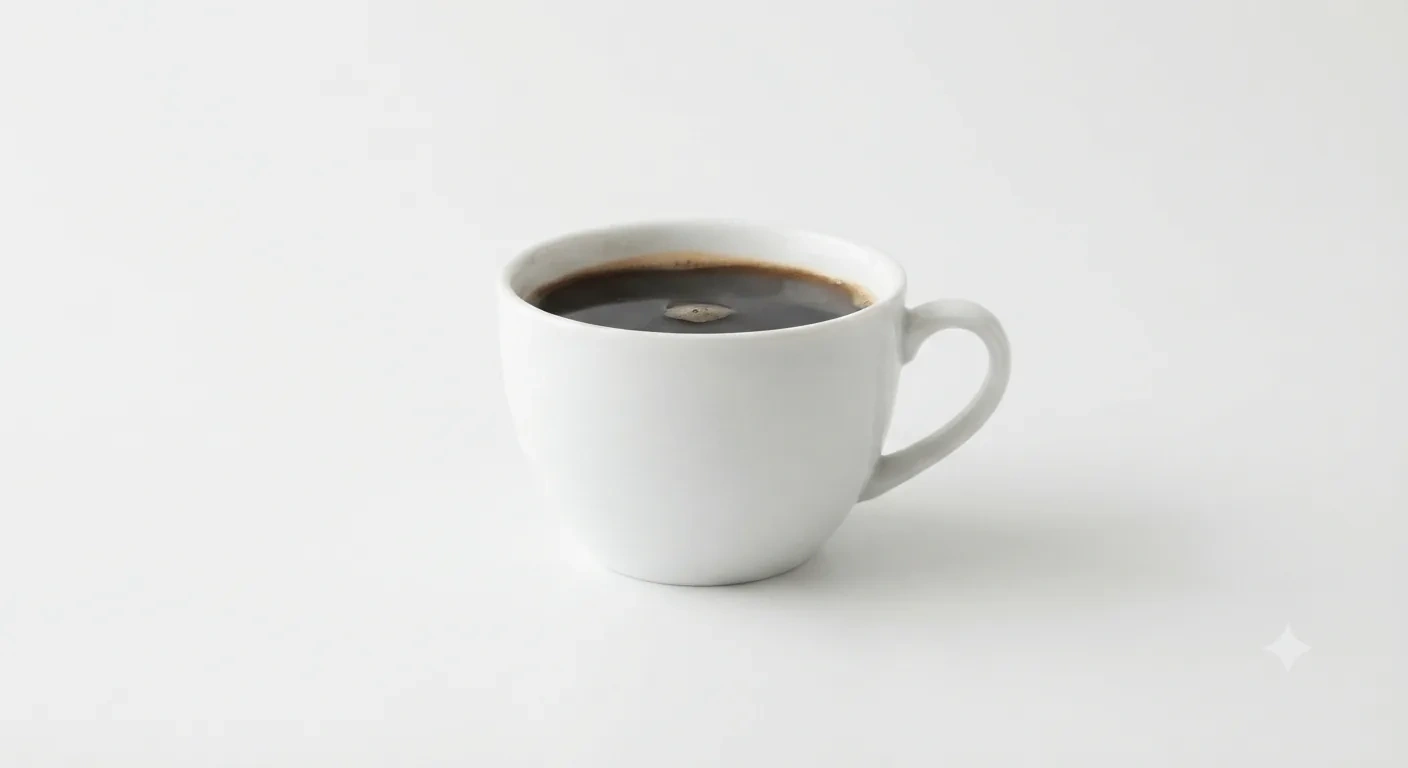 Hot Coffee and EspressoSunsera Blonde Roast (Grande)5 cal, against White Chocolate Mocha (Grande) at 390 calSaves 385 cal
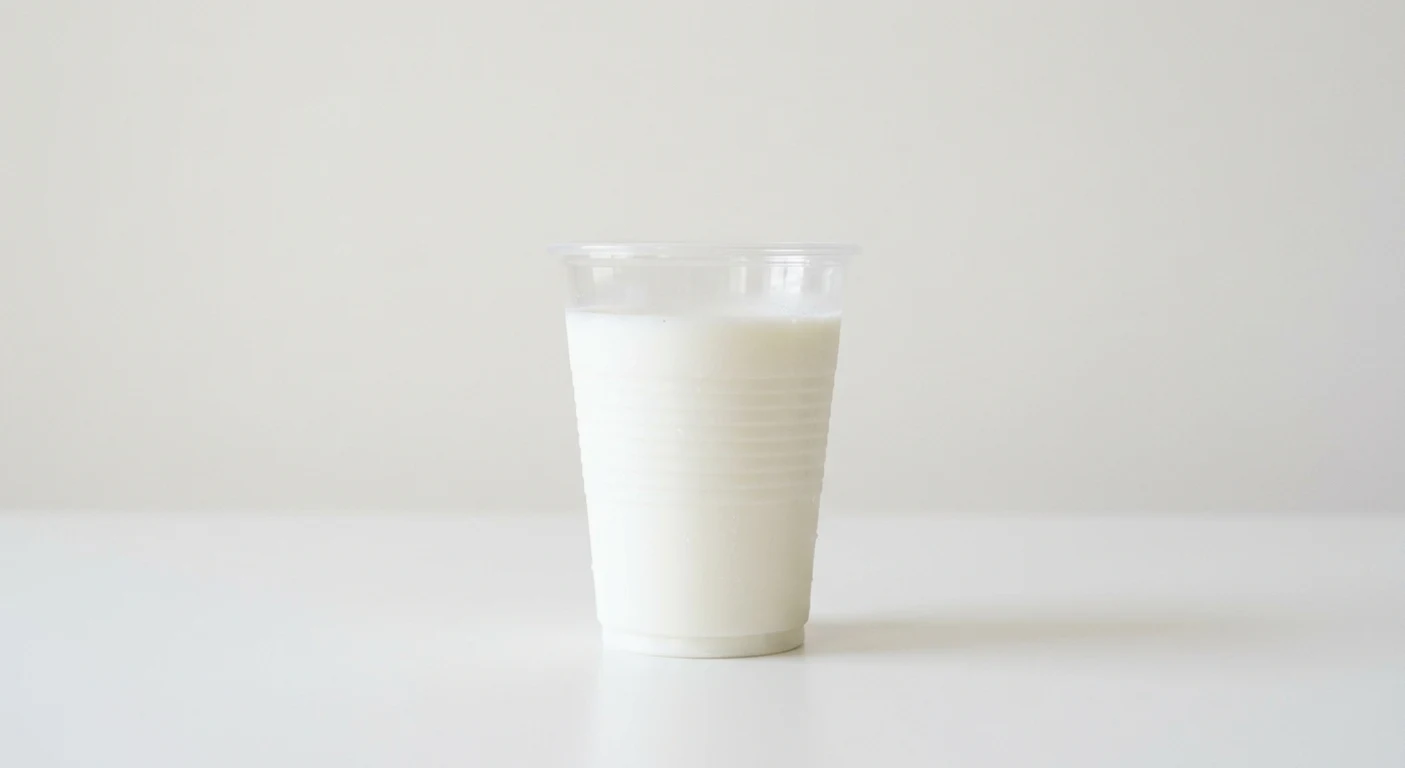 Hot Chocolate, Lemonade and MoreHorizon Organic Lowfat Milk110 cal, against Hot Chocolate (Grande) at 370 calSaves 260 cal
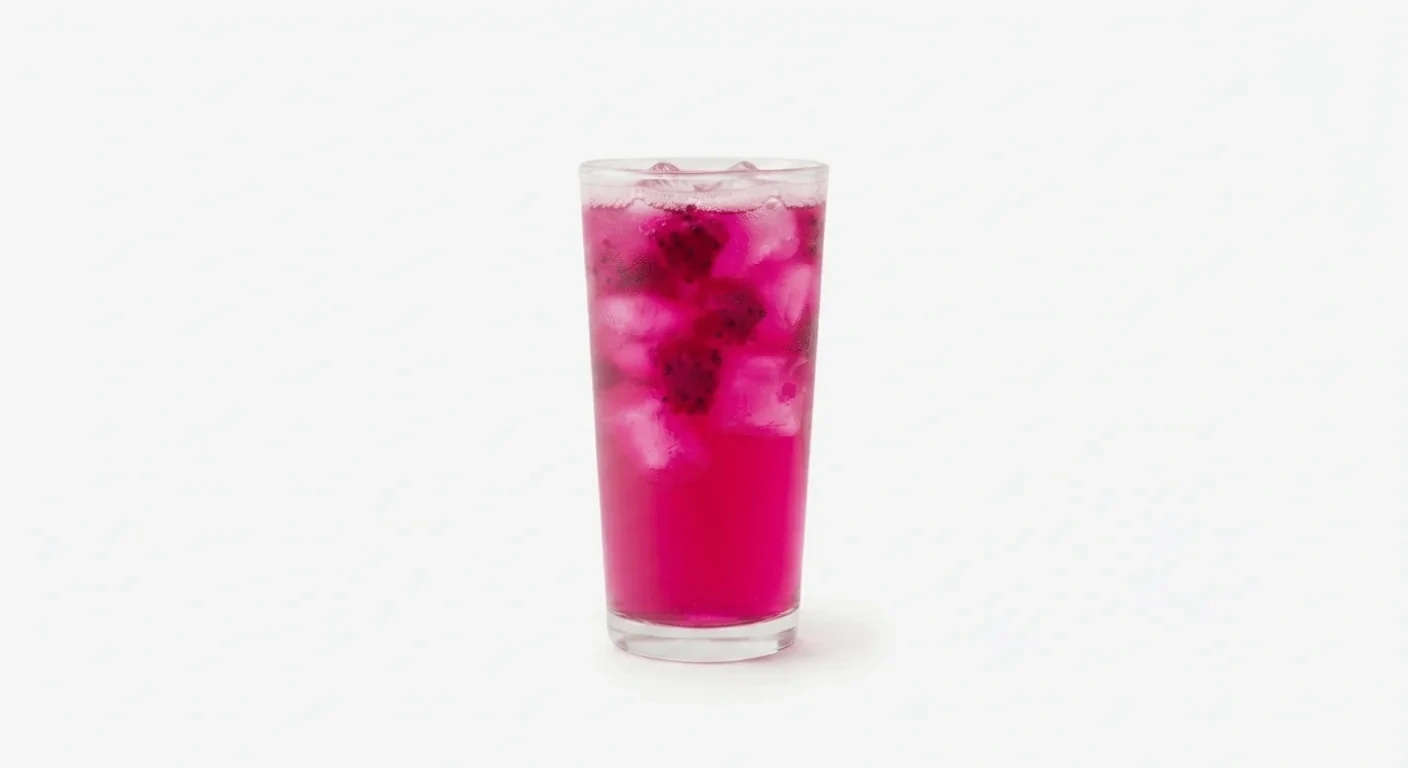 Refreshers and Energy DrinksMango Dragonfruit Refresher (Grande)90 cal, against Mango Strawberry Lemonade Energy Refresher (Grande) at 180 calSaves 90 cal
The Mocha Cookie Crumble Frappuccino (Grande), at 480 cal. That is 24% of the 2,000 calorie estimated need for an adult woman.
The Royal English Breakfast Tea (Grande), at 0 cal.
USDA estimates for moderately active people: 2,000 for adult women and 2,600 for adult men, 1,800 to 2,000 for ages 9 to 13 and 1,500 for ages 4 to 8.
Calories are from Starbucks US published nutrition information from the starbucks.com menu, for the standard recipe in each size, checked in October 2026. Each drink is ranked in its Grande size, or the standard size where there is no Grande (Double shot for espresso drinks); every other size has its own page with the same figures. Daily energy uses USDA estimated needs for moderately active people: 2,000 calories for adult women and 2,600 for adult men, 2,000 and 2,600 for girls and boys aged 14 to 18, 1,800 and 2,000 for ages 9 to 13, and 1,500 for ages 4 to 8.
Read the full methodology →Cookies on Boone
We use analytics cookies to see how people use the site so we can improve it. They are only set if you accept. Cookie policy