
Asda own-brand cereals, ranked by ingredients
All 43 Asda own-brand cereals, most ingredients first, with how many are manufactured rather than something you could cook with.
Ingredients per Asda Own-Brand cereal
43 cereals, most first.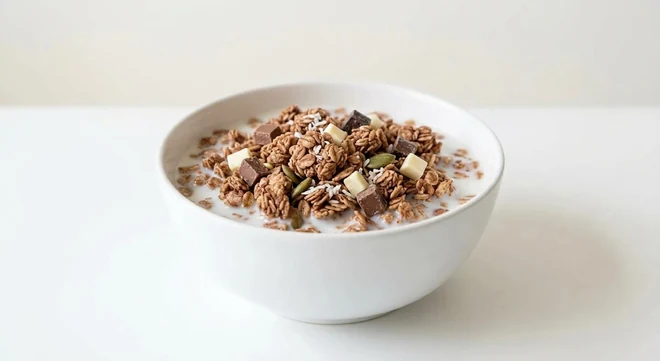 Chocolate Protein GranolaGranolaJointNOVA 4, ultra-processed208 manufactured2
 Exceptional Fruity Berry MuesliMuesliJointNOVA 4, ultra-processed203 manufactured3
 Honey Nut & Milk Choc CrunchClusters and crunchJointNOVA 4, ultra-processed203 manufactured4
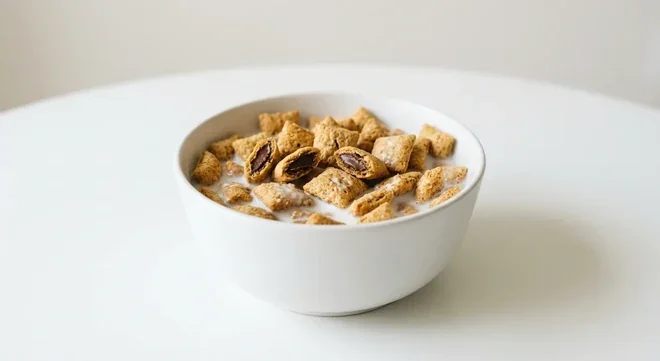 Choco SquaresPuffs, hoops and popsJointNOVA 4, ultra-processed175 manufactured5
 Choco-Nut SquaresPuffs, hoops and popsJointNOVA 4, ultra-processed173 manufactured
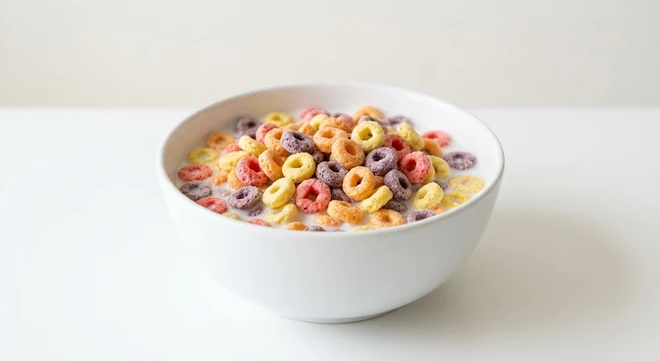 Rainbow HoopsPuffs, hoops and popsJointNOVA 4, ultra-processed173 manufactured7
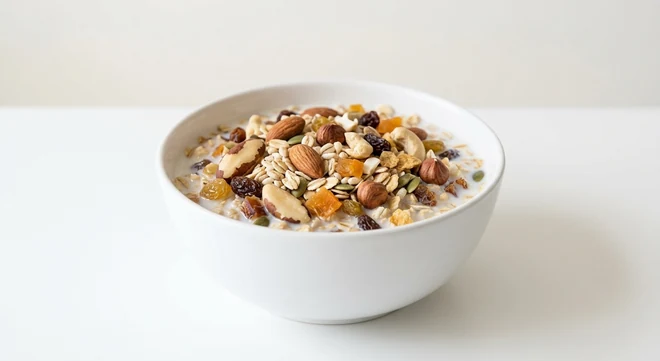 Exceptional Mixed Nut MuesliMuesliNOVA 3, processed160 manufactured8
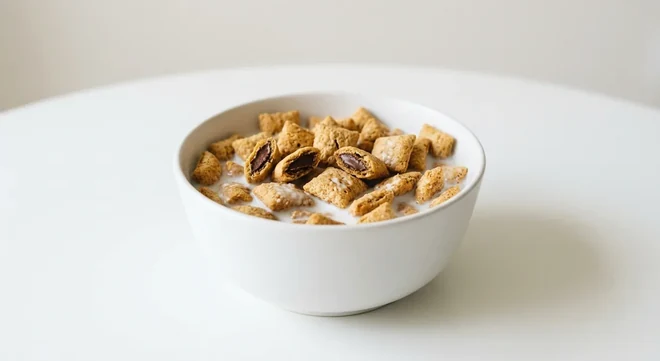 Free From Choco Nut SquaresPuffs, hoops and popsJointNOVA 4, ultra-processed153 manufactured9
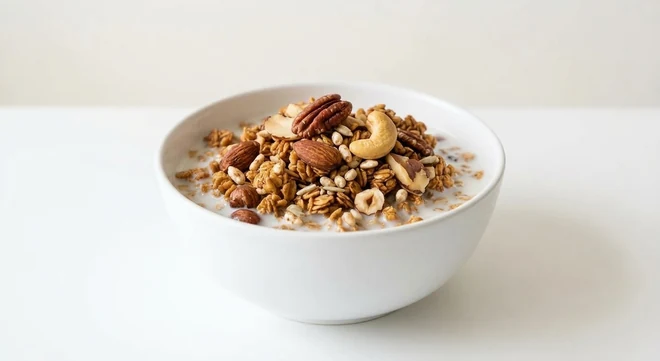 Exceptional Mixed Nut GranolaGranolaJointNOVA 4, ultra-processed152 manufactured10
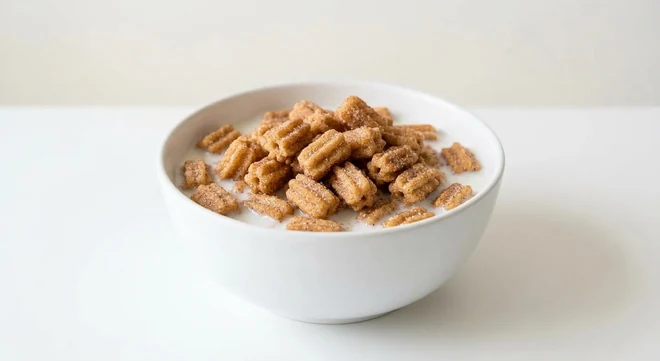 Cinnamon Churros CrunchPuffs, hoops and popsJointNOVA 4, ultra-processed133 manufactured
Cereal images are illustrations created by Boone, not photographs.
The whole Asda Own-Brand cereal range at a glance
Each dot is one cereal, coloured by type. Muesli sit highest for ingredients on average; Porridge oats and sachets sit lowest.
Fewest ingredients of each Asda Own-Brand cereal type
The same kind of cereal, compared.
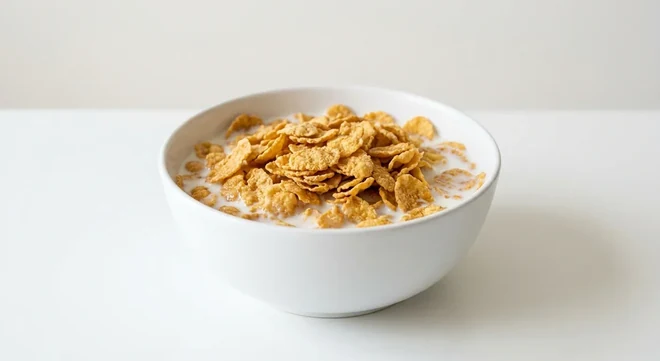 FlakesFree From Corn Flakes4 ingredients, against Honey Nut Corn Flakes at 8Saves 4 ingredients
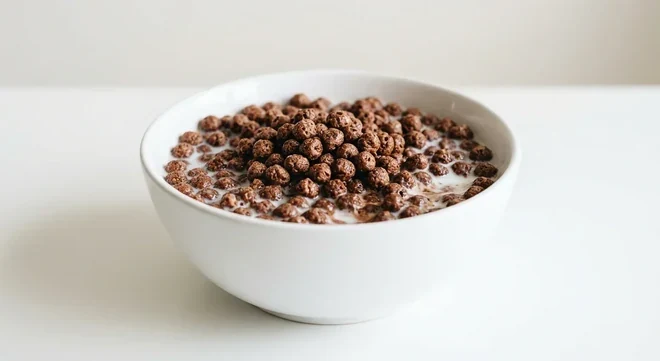 Puffs, hoops and popsFree From Choco Snaps6 ingredients, against Choco Squares at 17Saves 11 ingredients
 Wheat biscuits and branFree From Bran Flakes5 ingredients, against Chocolate Wheat Bisks at 10Saves 5 ingredients
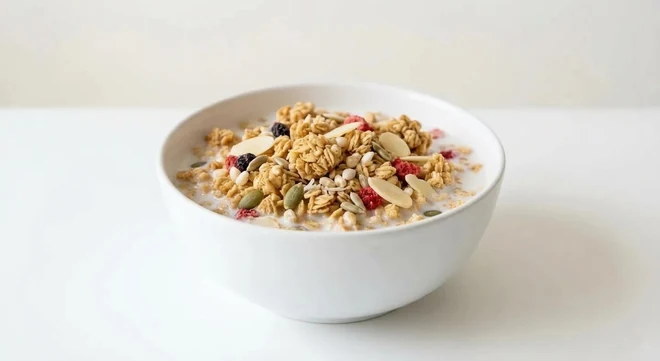 GranolaExceptional Mixed Berry Granola12 ingredients, against Chocolate Protein Granola at 20Saves 8 ingredientsMuesliExceptional Mixed Nut Muesli16 ingredients, against Exceptional Fruity Berry Muesli at 20Saves 4 ingredients
 Clusters and crunchStrawberry Crisp9 ingredients, against Honey Nut & Milk Choc Crunch at 20Saves 11 ingredients
 Porridge oats and sachetsJumbo British Porridge Oats1 ingredients, against Ready Oats at 3Saves 2 ingredients
Quick answers
Which Asda own-brand cereal has the most ingredients?+
Asda Chocolate Protein Granola, with 20 ingredients, 8 of them manufactured.
Which Asda own-brand cereals have the fewest ingredients?+
3 have just one: Asda Jumbo British Porridge Oats, Asda Original Porridge Sachets, Asda Scottish Porridge Oats.
What counts as a manufactured ingredient?+
An ingredient made by industrial processing rather than found in a home kitchen, such as glucose syrup, wheat protein, chicory fibre, emulsifiers and flavourings.
Does a long ingredients list make a cereal unhealthy?+
Not on its own. Nuts, seeds and dried fruit add to the count. The share of manufactured ingredients says more about how processed a cereal is than the total.
Where does this data come from?+
The nutrition panels and ingredients lists on Asda own-brand cereal listings at asda.com, collected in October 2026. Branded cereals sold at Asda, such as Kellogg’s or Weetabix, are not included. Boone works out free sugar, manufactured ingredients and nutrient profiling scores from them.
Ingredients are counted from the ingredients lists on Asda own-brand listings. Each named ingredient counts once, including the parts of compound ingredients such as chocolate or crisped rice, and the vitamins and minerals added as fortification count as one.
Manufactured ingredients are those made by industrial processing rather than found in a kitchen, such as glucose syrup, protein isolates, added fibres, emulsifiers and flavourings. The share of manufactured ingredients is one of the signs Boone uses to judge whether a food is ultra-processed.
Read the full methodology →