
Free UK delivery on all orders · At-home saliva test · Secure checkout
Free UK delivery on all orders

Burger King US Powerade Zero (Small): calories, sodium and protein by portion, age and sex

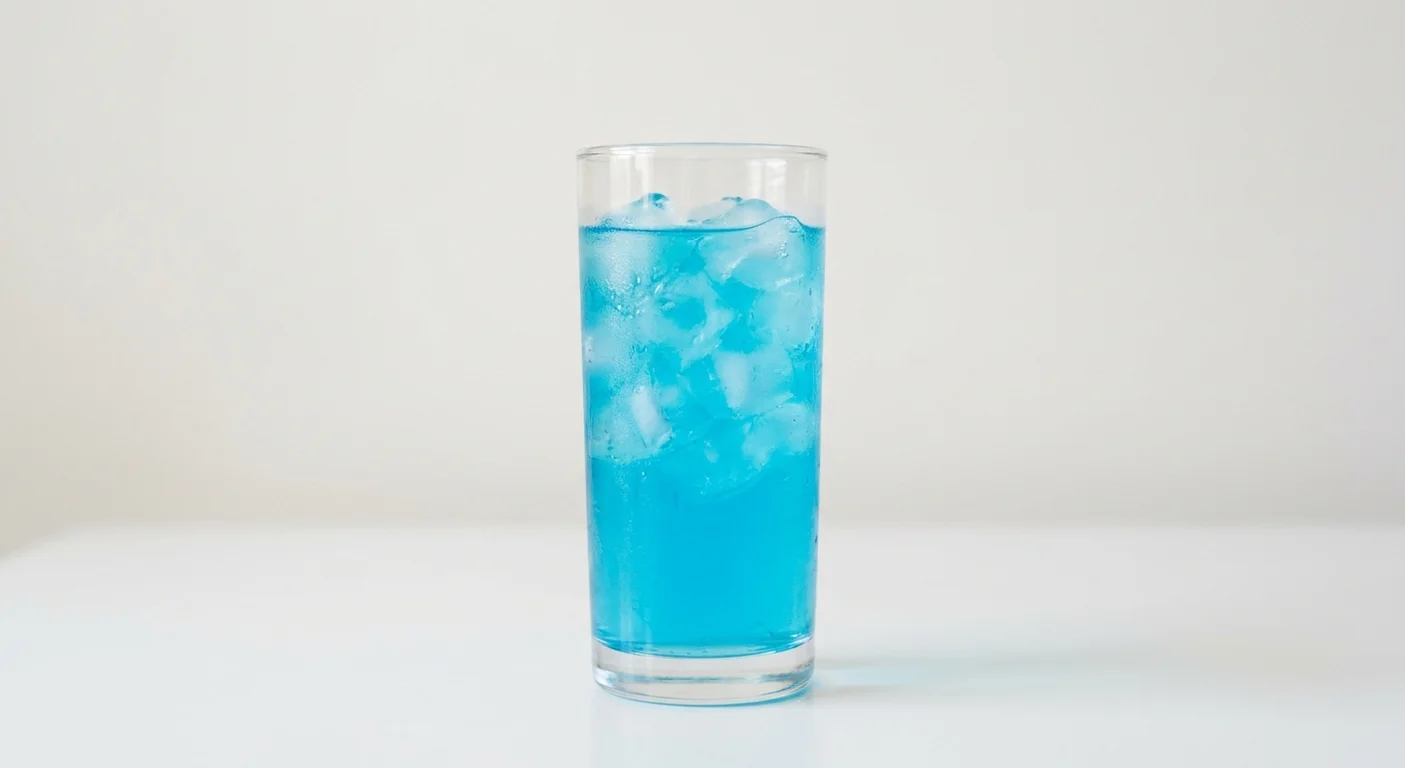
Burger King US Powerade Zero (Small), a bright blue sports drink over ice in a tall clear glass, nutrition and calories

Boone’s analysis puts Burger King US Powerade Zero (Small) at 0% of an adult’s daily calories, 9% of the daily sodium limit for a child aged 4 to 8 and no added sugar.

How many calories are in a Burger King US Powerade Zero (Small)? It contains 10 calories, 0g of fat (0g saturated), 0g of added sugar and 140mg of sodium.

Build a full meal with our nutrition calculator

Use the Boone meal calculator to build a full meal rather than view this item on its own. Add fries, a drink, dips and a dessert, then choose your age and sex, and switch between US and UK guidance, for a more accurate view of how a Powerade Zero (Small) fits into a day.

‍

Nutrition information

Nutrition information: Burger King US Powerade Zero (Small)

Calories10
Total fat0g
of which saturated0g
Trans fat0g
Carbohydrate0g
Total sugars0g
Includes added sugars (Boone estimate)0g
Fibre0g
Protein0g
Sodium140mg

Nutrition figures are Burger King USA published data from the BK nutrition explorer, per item as sold with its standard toppings and before any optional sauces or extras. Added sugar is a Boone estimate, as Burger King does not publish it. Boone converts these figures to the portion and age comparisons on this page.

Burger King US Powerade Zero (Small) contains 10 calories, which is 0% of the 2,000-calorie Daily Value used on US food labels. It provides 0g of total fat, of which 0g is saturated, 0g of total sugars (0g added, estimated), 140mg of sodium, 0g of protein and 0g of fibre.

Burger King US Powerade Zero (Small) sits within most daily limits

At 10 calories and 140mg of sodium, Burger King US Powerade Zero (Small) uses a modest share of a day for adults and children. The calculator shows how it adds up as part of a full meal.

FDA Daily Values (2,000-calorie diet)

Calories2,000
Total fat78g
Saturated fat20g
Carbohydrate275g
Added sugars50g
Fibre28g
Sodium2,300mg
Protein50g

Ultra-processed food: what is really in it

Processing and additives: Burger King US Powerade Zero (Small)

Burger King US Powerade Zero (Small) is a single manufactured product. Reading the ingredient list closely, it contains emulsifiers, flavourings, sweeteners, colours, preservatives, emulsifying and buffering salts and firming agents. These are not there to add nutritional value. They make industrial production and distribution possible.

Emulsifiers

Help oil-based and water-based ingredients blend and stay blended. Found in the powerade zero.

Flavourings

Add or restore taste lost during processing. Found in the powerade zero.

Sweeteners

Add sweetness without sugar, mostly in diet and zero-sugar drinks. Found in the powerade zero.

Colours

Restore or standardise appearance after processing. Found in the powerade zero.

Preservatives

Slow the growth of bacteria, yeasts and moulds in centrally prepared components. Found in the powerade zero.

Emulsifying and buffering salts

Let processed cheese and cream melt smoothly, or hold the acidity of drinks steady. Found in the powerade zero.

Firming agents

Keep processed vegetables and fruit pieces firm after packing. Found in the powerade zero.

Boone classifies Burger King US Powerade Zero (Small) as NOVA group 4, ultra-processed, based on the additives named above. NOVA groups foods by how far they are from their whole-food form, not by how nutritious they are. A group 4 food is not automatically unhealthy, and a group 1 food is not automatically healthy. Read from the published ingredient list, October 2026.

Burger King US Powerade Zero (Small) contains at least 12 distinct ingredients: 2 raw and 10 manufactured. Ordered as a full meal with a dip and a dessert that reaches 73, of which 45 are manufactured. Raw means something you could buy and cook with at home; manufactured means a substance that only exists as an output of industrial processing.

Ingredient count by order: Burger King US Powerade Zero (Small)

What you orderRawManufacturedTotal% manufactured
Burger King US Powerade Zero (Small) on its own2101283%
Burger King US Powerade Zero (Small) + medium fries7182572%
Burger King US Powerade Zero (Small) + fries + a dip15223759%
Burger King US Powerade Zero (Small) + fries + dip + a medium Coca-Cola16264262%
Burger King US Powerade Zero (Small) + fries + dip + drink + a HERSHEY'S Sundae Pie28457362%

The 10 manufactured ingredients

acesulfame potassium, blue 1, calium disocidum edta, citric acid, cyanocobalamin and ascorbic acid, magnesium and calcium chlorides, mono-potassium phosphate, natural flavors, sodium citrate, sucralose.

The 2 raw ingredients

salt, water.

What those ingredients are, by type

Salt and minerals3
Acids and acidity regulators2
Sugars and syrups2
Water1
Vitamins and fortification1
Flavourings and extracts1
Other additives and processing aids1
Colours1

Boone counts every distinct named ingredient on Burger King’s published component lists, including sub-ingredients, and removes duplicates, so salt appearing in four components counts once. Additive class names are dropped and the named substance kept, so “leavening (baking soda)” counts baking soda once. Ice and water added at the counter are not counted. Raw covers whole foods and basic kitchen staples such as flour, sugar, salt and oil. Manufactured covers substances that only exist as an output of industrial processing. Every figure here is a minimum. The build uses a BBQ sauce.

Ingredients

Burger King US Powerade Zero (Small) is made from a single component.

Ingredients by component: Burger King US Powerade Zero (Small)

Powerade Zero

Water, Less than 0.5% of Citric Aid, Electorlytes (Salt, Sodium Citrate, Magnesium and Calcium Chlorides, Mono-Potassium Phosphate), Vitamins B12 and C (Cyanocobalamin and Ascorbic Acid), Natrual Flavors, Sucralose, Acesulfame Potassium, Calium Disocidum EDTA (TO Protect Color), Blue 1.

Ingredients taken from the Burger King USA nutrition explorer, retrieved October 2026. Recipes change, so always check in restaurant before ordering if you have an allergy.

Allergens at a glance

Burger King declares none of the nine major US allergens as an ingredient in Burger King US Powerade Zero (Small).

Allergen information: Burger King US Powerade Zero (Small)

AllergenStatus
MilkNot declared
EggsNot declared
FishNot declared
Crustacean shellfishNot declared
Tree nutsNot declared
PeanutsNot declared
WheatNot declared
SoybeansNot declared
SesameNot declared

Contains = declared by Burger King USA. May contain = Burger King states the allergen may be present. Shared equipment = prepared on equipment shared with the allergen. Burger King prepares food in shared kitchens, so no item can be guaranteed allergen free. UK rules also require barley, oats, mustard, celery and sulphites to be declared; these are shown where the ingredient list names them. Retrieved October 2026.

Frequently asked questions

How many calories are in a Burger King US Powerade Zero (Small)?+

Boone calculates that Burger King US Powerade Zero (Small) contains 10 calories, which is 0% of the 2,000-calorie Daily Value and 1% of the daily needs of a moderately active child aged 4 to 8.

How much sodium is in a Burger King US Powerade Zero (Small)?+

Burger King US Powerade Zero (Small) contains 140mg of sodium. Boone calculates that as 9% of the daily limit for a child aged 4 to 8 and 6% of the 2,300mg adult limit.

Is Burger King US Powerade Zero (Small) ultra-processed?+

Boone classifies Burger King US Powerade Zero (Small) as NOVA group 4. Reading the published ingredient list, it contains emulsifiers, flavourings, sweeteners, colours, preservatives, emulsifying and buffering salts and firming agents. NOVA group 4 describes how far a food is from its whole-food form, not how nutritious it is.

Is Burger King US Powerade Zero (Small) suitable for children?+

Burger King US Powerade Zero (Small) sits comfortably within the daily limits for a child aged 4 to 8, at 1% of their calories and 9% of their sodium limit.