
Free UK delivery on all orders · At-home saliva test · Secure checkout
Free UK delivery on all orders

Coco Pops nutrition: sugar, fibre, protein, fortification and more

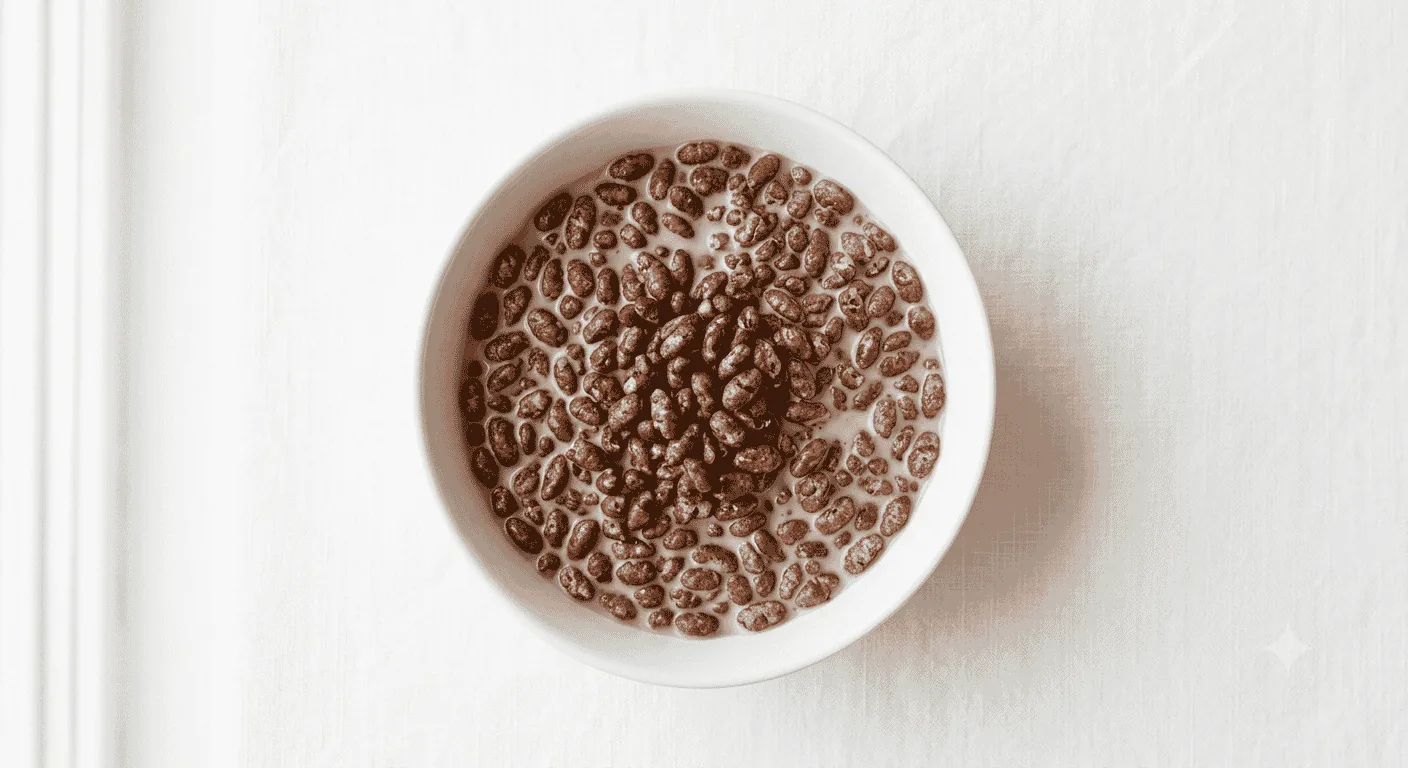
Bowl of Kellogg's Coco Pops with milk — sugar, calories and fibre nutrition breakdown

How much sugar is in Coco Pops? A 30g bowl with milk contains 5.1g of free sugar, 1.1g of fibre and 6.1g of protein. Coco Pops is moderate in sugar compared with the highest-sugar children's cereals, at 17g per 100g.

Try it: interactive cereal calculator

Use the calculator to adjust portion size and milk type, then see how the bowl compares to NHS daily limits for your child's age and gender.

Cereal calculator
What is in your bowl?
Choose a cereal, set the portion size and milk type, then see the total against NHS daily limits.
30g

Your bowl--
Free sugar
--
--
0--
--
Calories
--
--
0--
--
Salt
--
--
0--
--
Milk sugar (lactose) does not count as free sugar under NHS guidelines. Only the added sugar in the cereal counts toward the daily limit.

Sugar, calories and salt by bowl size

The figures below show total sugar, calories and salt for four bowl sizes, each with 125ml of semi-skimmed milk. The full packet figure shows the dry cereal only.

Small bowl
30g with milk
30g cereal + 125ml semi-skimmed milk
5.1g
sugar
175
kcal
0.4g
salt
5.1g free sugar from the cereal (milk lactose is not free sugar). 21% of the daily limit for a child aged 7 to 10.
Standard bowl
40g with milk
40g cereal + 125ml semi-skimmed milk
6.8g
sugar
213
kcal
0.4g
salt
6.8g free sugar from the cereal (milk lactose is not free sugar). 28% of the daily limit for a child aged 7 to 10.
Larger bowl
50g with milk
50g cereal + 125ml semi-skimmed milk
8.5g
sugar
252
kcal
0.5g
salt
8.5g free sugar from the cereal (milk lactose is not free sugar). 35% of the daily limit for a child aged 7 to 10.
Large bowl
60g with milk
60g cereal + 125ml semi-skimmed milk
10.2g
sugar
291
kcal
0.6g
salt
10.2g free sugar from the cereal (milk lactose is not free sugar). 43% of the daily limit for a child aged 7 to 10.
Full packet
Full 480g packet (cereal only)
Entire packet, no milk
81.6g
sugar
1853
kcal
3.1g
salt
81.6g free sugar in the full packet. 272% of the adult daily limit of 30g.

All portion figures include 125ml semi-skimmed milk. Milk sugar (lactose) does not count as free sugar under NHS guidelines and is excluded from the sugar totals. Milk calories and salt are included.

Sugar

Kellogg's Coco Pops contains 17g of sugar per 100g. A 30g bowl delivers 5.1g of free sugar before milk is added, and a 40g bowl delivers 6.8g. The chocolate flavour coating on the puffed rice is the main source of both the sugar and the colour that turns the milk chocolatey.

All added sugar in Coco Pops counts as free sugar under NHS guidelines. Milk lactose does not count as free sugar and is excluded from these figures.

A 30g bowl of Coco Pops provides 21% of the daily free sugar limit for a child aged 7 to 10. This is moderate: lower than the highest-sugar children's cereals, but still a meaningful contribution from a single bowl.

A moderate sugar content, but still a notable share of the daily limit

Kellogg's Coco Pops contains 17g of sugar per 100g. A 30g bowl delivers 5.1g of free sugar, 21% of the daily limit for a child aged 7 to 10. The chocolate flavour coating on the puffed rice is the main source of both the sugar and the colour that turns the milk chocolatey.

NHS recommended daily free sugar limits

Age 4 to 6No more than 19g per day
Age 7 to 10No more than 24g per day
Age 11 and overNo more than 30g per day

Source: NHS. Free sugars include all added sugars. Milk lactose does not count as free sugar.

The table below shows a standard 30g bowl as a percentage of the daily free sugar limit for each age group (cereal sugar only, no milk).

Free sugar as % of daily NHS limit: 30gg Coco Pops (5.1gg sugar, no milk)

AgeDaily limit30gg bowl
Age 4 to 619g27%
Age 7 to 1024g21%
Age 11 and over30g17%
Adult30g17%

Source: NHS/SACN free sugar guidelines (2015). Sugar from the cereal only. Milk lactose is excluded.

Calories

A 30g bowl of Coco Pops with 125ml semi-skimmed milk contains approximately 175 calories. At 60g with milk the bowl contains approximately 291 calories.

For a child aged 4 to 6, a 30g bowl represents around 12% of their estimated daily calorie requirement, a reasonable contribution from breakfast.

Calories: Coco Pops by portion size (with 125ml semi-skimmed milk)

30g
175 kcal
40g
213 kcal
50g
252 kcal
60g
291 kcal

Includes 59 kcal from 125ml semi-skimmed milk. Cereal only: 116 kcal at 30g, 232 kcal at 60g.

Fibre

Coco Pops contains 3.8g of fibre per 100g, which is only 1.1g in a 30g bowl. This is low compared with wholegrain cereals such as Weetabix or Shredded Wheat, which contain around three times as much fibre per 100g.

The NHS recommends adults consume around 30g of fibre per day. A 30g bowl of Coco Pops provides only 1.1g toward this target, so most daily fibre will need to come from other foods such as fruit, vegetables and wholegrain breads.

Protein

Coco Pops contains 6.3g of protein per 100g, which is 1.9g in a 30g bowl before milk. With 125ml of semi-skimmed milk, which contributes approximately 4.2g of protein, the total reaches 6.1g.

Most of the protein in a bowl of cereal with milk comes from the milk itself rather than the cereal. This is true across almost all breakfast cereals, including higher-protein options like Coco Pops.

For a child aged 7 to 10, a general guide for daily protein intake is around 24g. A 30g bowl of Coco Pops with milk provides 6.1g, a useful contribution from breakfast, primarily via the milk.

Fibre and protein: 30g bowl with 125ml semi-skimmed milk

Fibre1.1g of 30g target
4%
Protein6.1g of 24g target
25%

Adult fibre target: 30g per day (SACN). Child protein target shown: 24g per day (a guide for a 7 to 10 year old). Most of the protein in a bowl comes from the milk, not the cereal.

Fortification, vitamins and minerals

Like most mainstream UK breakfast cereals, Coco Pops is fortified with added vitamins and minerals. A 30g bowl provides half of the Reference Intake for vitamin D and a quarter of the Reference Intake for five B vitamins, alongside a meaningful contribution of iron.

Fortification is standard practice for UK cereals, partly because the refining or processing used to make many cereals removes naturally occurring vitamins and minerals from the grain. Adding them back during manufacturing restores some of this nutritional value.

Vitamin D is of particular note because many people in the UK, including children, have low vitamin D status, especially during winter months. A fortified cereal can make a small but consistent contribution to vitamin D intake.

Added vitamins and minerals: Coco Pops (30g bowl, before milk)

NutrientAmount per 30g% of Reference Intake
Vitamin D2.5µg50%
Thiamin (B1)0.28mg25%
Riboflavin (B2)0.35mg25%
Niacin (B3)4.0mg25%
Vitamin B60.35mg25%
Folic acid (B9)50µg25%
Vitamin B120.63µg25%
Iron2.4mg17%

Source: manufacturer nutrition declaration. Reference Intakes (RI) are EU-wide guideline daily amounts for an average adult.

Whole grain and processing

Coco Pops is made from rice and corn that has been refined, combined with added sugar and flavourings, then shaped and coated during manufacturing.

This combination of ingredients and processing methods places Coco Pops in the most processed NOVA category, alongside the majority of packaged breakfast cereals.

Whole grain

Coco Pops is made from rice and corn that has been refined rather than left as whole grain. The relatively low fibre content of 3.8g per 100g reflects this, since the bran and germ layers that contain most of a grain's fibre are removed during refining.

Processing (NOVA classification)

Coco Pops falls into NOVA group 4, ultra-processed foods. This classification reflects the combination of refined grains, added sugar, flavourings and the industrial processing methods used to create the final shape and coating. NOVA group 4 includes the majority of packaged breakfast cereals, not only those marketed at children.

Salt

Coco Pops contains 0.65g of salt per 100g. A 30g bowl contains 0.2g of salt. With 125ml semi-skimmed milk, the total rises to approximately 0.4g.

For a child aged 4 to 6 with a daily salt limit of 3g, a 30g bowl with milk represents around 13% of their daily allowance from breakfast.

NHS recommended daily maximum salt intake

Age 4 to 6No more than 3g per day
Age 7 to 10No more than 5g per day
Age 11 and overNo more than 6g per day

Frequently asked questions

How much sugar is in Kellogg's Coco Pops?+

A 30g bowl of Kellogg's Coco Pops contains 5.1g of free sugar, which is 21% of the daily limit for a child aged 7 to 10 and 27% for a child aged 4 to 6. A 40g bowl contains 6.8g, which is 28% of the daily limit for a child aged 7 to 10. Per 100g, Coco Pops contains 17g of sugar. This is moderate and significantly lower than many parents expect from a chocolate-flavoured cereal.

Kellogg's Coco Pops nutrition: what are the key figures?+

Per 100g: 17g sugar, 386 kcal, 0.65g salt, 3.8g fibre, 6.3g protein. Per 30g bowl with 125ml semi-skimmed milk: 5.1g free sugar, 175 kcal, 0.4g salt, 1.1g fibre, 6.1g protein. Per 40g bowl with 125ml semi-skimmed milk: 6.8g free sugar, 213 kcal, 0.4g salt, 1.5g fibre, 6.8g protein. Milk lactose does not count as free sugar under NHS guidelines.

Is Coco Pops as high in sugar as people think?+

No. The current UK recipe contains 17g of sugar per 100g, which is significantly lower than many parents expect from a chocolate-flavoured cereal. Coco Pops has been reformulated over the years to reduce sugar content. At 17g per 100g it is the same sugar level as Special K Original and lower than Honey Loops at 26g, Crunchy Nut at 35g and Frosties at 37g per 100g. The chocolate flavour creates a perception of very high sugar that the current formulation does not support.

Why does Coco Pops turn the milk chocolatey?+

The chocolate flavour coating on each puffed rice grain dissolves into the milk as the cereal sits in the bowl. The coating is a mixture of sugar, cocoa powder and flavourings that is applied during manufacturing. As the cereal absorbs liquid, the coating releases into the milk, turning it brown and giving it a chocolate flavour. The longer the cereal sits in the milk the more the coating dissolves and the stronger the chocolate milk flavour becomes.

What is the daily sugar limit for children?+

The NHS recommends no more than 19g of free sugar per day for children aged 4 to 6, 24g for children aged 7 to 10, and 30g for anyone aged 11 and over. A 30g bowl of Coco Pops contains 5.1g of free sugar from the cereal alone. Milk lactose does not count toward this limit. A 60g bowl uses 43% of the daily limit for a child aged 7 to 10, which is moderate compared to higher-sugar cereals in the range.

Is Kellogg's Coco Pops a whole grain cereal?+

No. Coco Pops is made from rice and corn that has been refined rather than left as whole grain. The bran and germ layers that contain most of a grain's natural fibre are removed during refining. This is reflected in the low fibre content of 3.8g per 100g. By comparison, wholegrain cereals such as Shredded Wheat contain around 10g of fibre per 100g. The puffing process used to create the distinctive rice grain shape further reduces the natural fibre content.

How many calories are in Kellogg's Coco Pops?+

A 30g bowl of Coco Pops with 125ml semi-skimmed milk contains approximately 175 calories. A 40g bowl with milk contains 213 calories, a 50g bowl contains 252 calories and a 60g bowl contains 291 calories. For a child aged 4 to 6 with a daily energy need of around 1,400 calories, a 30g bowl represents approximately 12% of their daily requirement.

How much fibre is in Kellogg's Coco Pops?+

Coco Pops contains 3.8g of fibre per 100g, which is 1.1g in a 30g bowl. This is low for a breakfast cereal and reflects the refined grain base. The NHS recommends adults consume around 30g of fibre per day. A 30g bowl provides only around 4% of this target. For a higher-fibre alternative within the Kellogg's range, Bran Flakes contains around 15g of fibre per 100g and All-Bran Original contains 24g per 100g.

Is Kellogg's Coco Pops fortified with vitamins?+

Yes. A 30g bowl of Coco Pops provides 50% of the Reference Intake for vitamin D and 25% for thiamin, riboflavin, niacin, vitamin B6, folic acid and vitamin B12, alongside a contribution of iron. This is the same fortification profile as the rest of the Kellogg's range. Vitamin D is particularly relevant for UK children, many of whom have low vitamin D status especially during winter months.

Is Kellogg's Coco Pops ultra-processed?+

Yes. Under the NOVA classification system, Coco Pops falls into group 4, ultra-processed foods. This classification reflects the combination of refined rice and corn with a chocolate flavour coating, added sugar, flavourings and the industrial puffing process used to create the final grain shape. The NOVA classification applies regardless of the sugar content. Even with a reformulated lower-sugar recipe, the industrial processing methods place Coco Pops firmly in group 4.

How does Coco Pops compare to Frosties for sugar?+

Coco Pops contains 17g of sugar per 100g compared to 37g per 100g in Frosties. A 30g bowl of Coco Pops delivers 5.1g of free sugar versus 11.1g from a 30g bowl of Frosties. Despite being marketed at a similar children's audience, Coco Pops has significantly less sugar than Frosties. The chocolate flavour of Coco Pops creates a perception of higher sugar that the actual figures do not support. On sugar alone, Coco Pops is a meaningfully better choice than Frosties.

How much salt is in Kellogg's Coco Pops?+

Coco Pops contains 0.65g of salt per 100g. A 30g bowl contains 0.2g of salt. With 125ml semi-skimmed milk, the total rises to approximately 0.4g. For a child aged 4 to 6 with a daily salt limit of 3g, a 30g bowl with milk represents around 13% of their daily allowance from breakfast. Salt is not a significant concern with Coco Pops. It has one of the lower salt contents in the Kellogg's range.

How much protein is in Kellogg's Coco Pops?+

Coco Pops contains 6.3g of protein per 100g, which is 1.9g in a 30g bowl before milk. With 125ml of semi-skimmed milk, which contributes approximately 4.2g of protein, the total reaches 6.1g. For a child aged 7 to 10, a 30g bowl with milk provides around 25% of the daily protein guide of 24g. As with most cereals, the majority of the protein in the bowl comes from the milk rather than the cereal itself.

What type of milk is best with Coco Pops?+

Semi-skimmed or skimmed milk adds calcium, protein and vitamin D without additional free sugar. Whole milk adds more fat and calories but no additional free sugar. Oat milk often contains added sugar so check the label. Using a sweetened oat milk or chocolate-flavoured milk alongside Coco Pops would significantly increase the free sugar content of the bowl. Whichever dairy milk you choose, the lactose does not count as free sugar under NHS guidelines.

How does Coco Pops compare to Rice Krispies for sugar?+

Coco Pops contains 17g of sugar per 100g compared to 9.8g per 100g in Rice Krispies. A 30g bowl of Coco Pops delivers 5.1g of free sugar versus 2.9g from a 30g bowl of Rice Krispies. Both are puffed rice cereals with a flavour coating — Rice Krispies uses a light grain coating while Coco Pops uses a chocolate flavour coating. On sugar alone, Rice Krispies is the lower-sugar option, but Coco Pops has slightly more fibre at 3.8g versus 1.5g per 100g.

Track your family's nutrition in real time

See exactly what your family is eating, in real time.

The Boone app tracks sugar, fibre, protein, calories, salt and 30 plus micronutrients in real time. Log meals by scanning food and see instantly how a bowl of cereal compares to your child's daily targets, adjusted for their exact age and gender.

Download the Boone app and start tracking your family's nutrition today.

Get started with Boone

Nutrition data from UK product labels and manufacturer nutrition declarations. Daily limits and targets: NHS/SACN free sugar guidelines (2015); SACN Dietary Reference Values for calories, fibre and protein; NHS salt targets by age; EU Reference Intakes for vitamins and minerals. For guidance only, not medical advice.