
Every McDonald's UK Item Ranked by Nutrient Profile Score
Healthiest is a claim that needs a method behind it. Boone scores 109 McDonald's UK items against the DHSC 2018 nutrient profiling model, the updated version of the model government uses to decide which products can be advertised to children, and ranks them from the best score up.
Sides and Fries Ranked by Nutrient Profile Score
All 6 McDonald's UK items in this section, ranked by nutrient profile score from lowest to highest. The Side Salad is lowest at -4 points and the Fries (Small) is highest at 0 points.
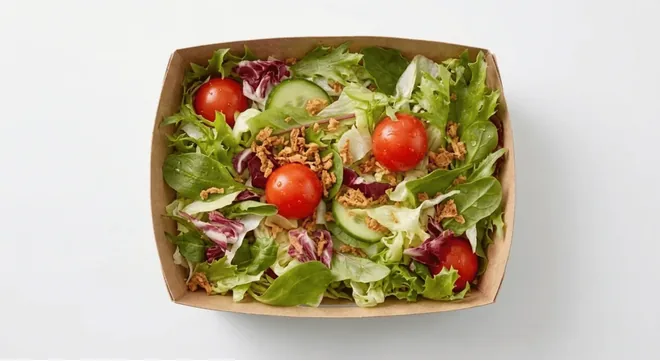
McDonald's Side Salad
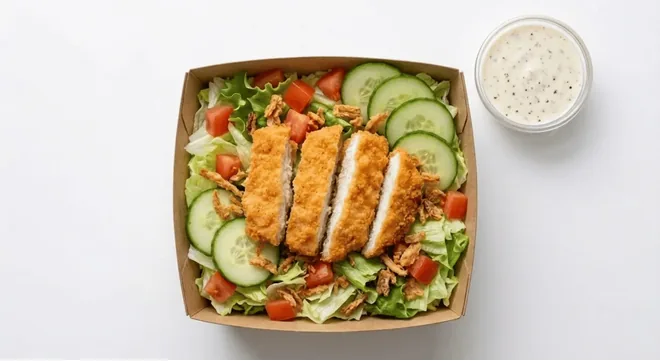
McDonald's Crispy Chicken Salad
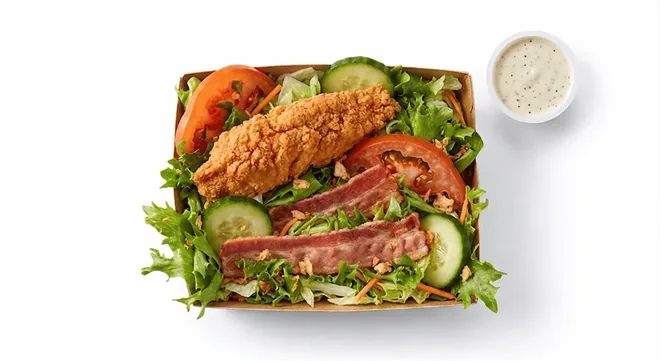
McDonald's Crispy Chicken and Bacon Salad
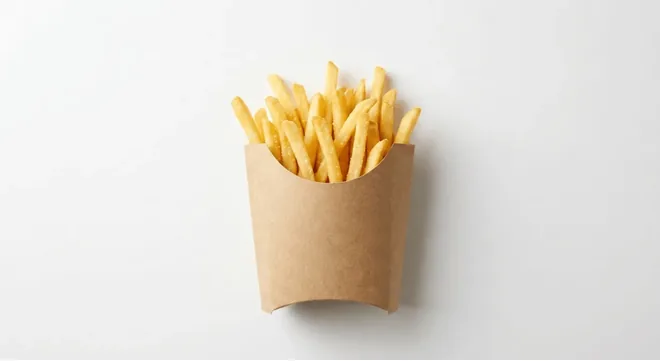
McDonald's Fries (Large)
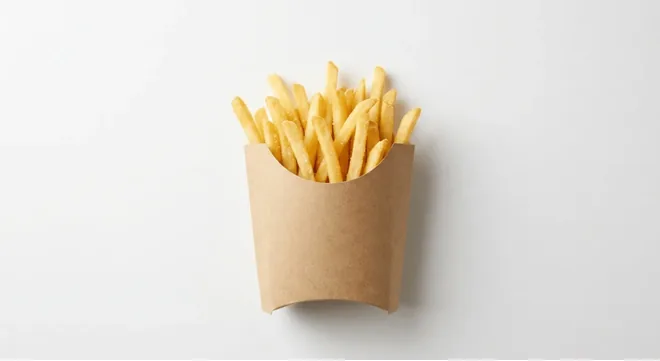
McDonald's Fries (Medium)
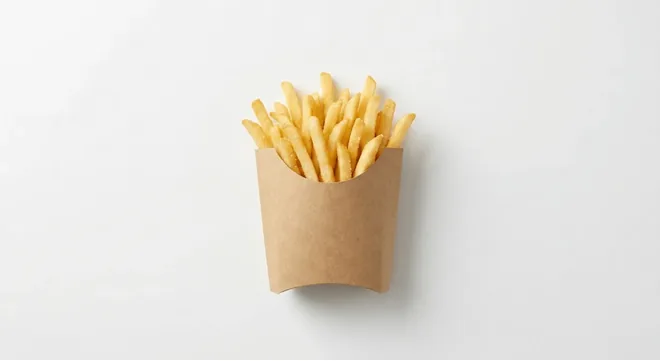
McDonald's Fries (Small)
Breakfast Ranked by Nutrient Profile Score
All 18 McDonald's UK items in this section, ranked by nutrient profile score from lowest to highest. The Porridge (Plain) is lowest at -3 points and the Sausage Sandwich with Ketchup is highest at 16 points.
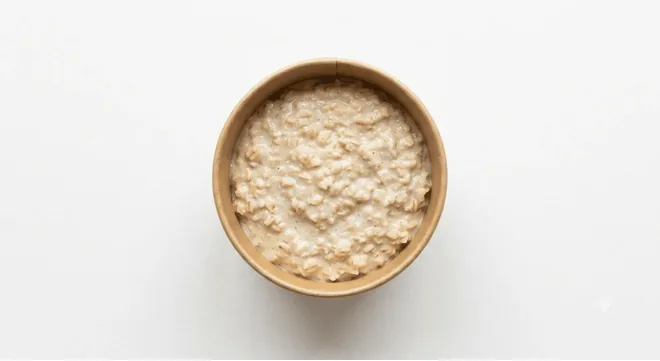
McDonald's Porridge (Plain)

McDonald's Porridge with Sugar
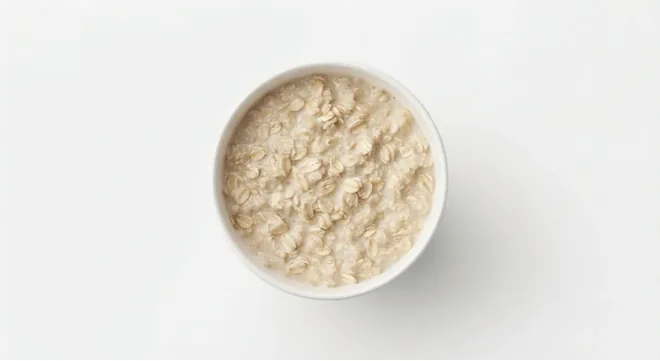
McDonald's Flahavan’s Quick Oats
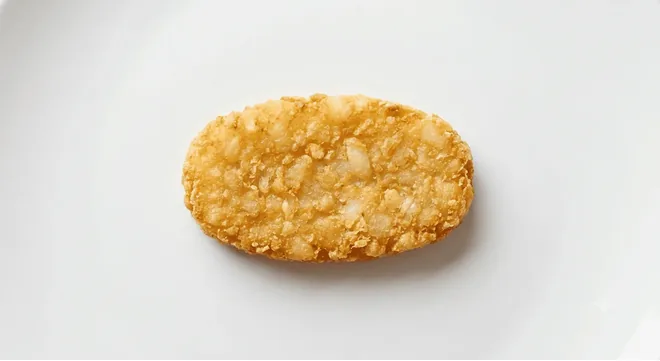
McDonald's Hash Brown
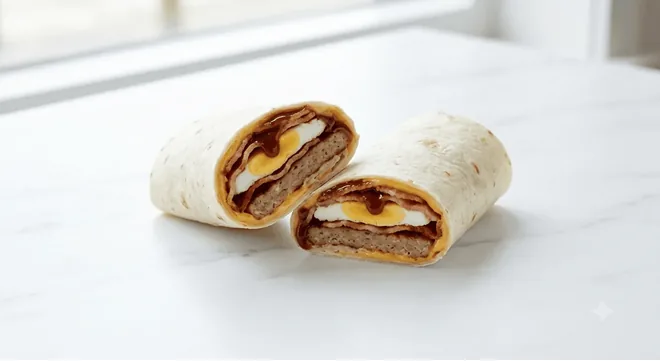
McDonald's Breakfast Wrap with Brown Sauce
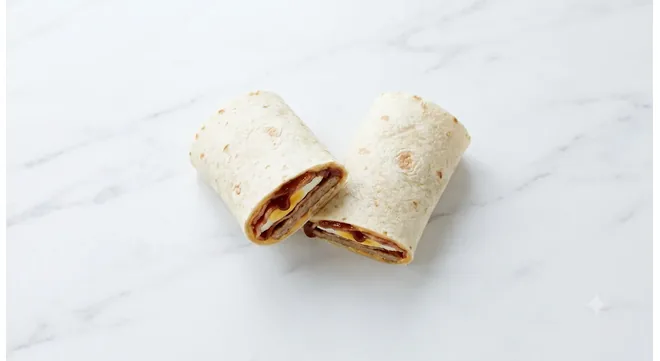
McDonald's Breakfast Wrap with Ketchup
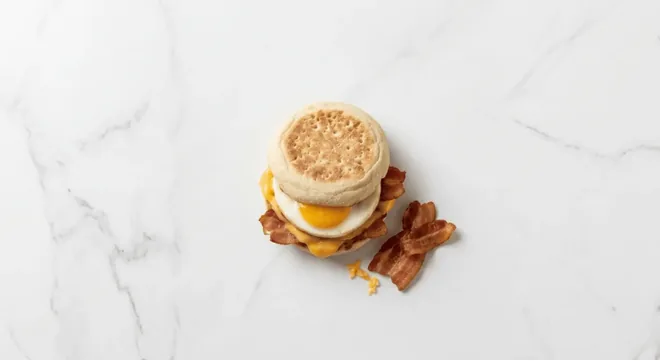
McDonald's Bacon and Egg McMuffin

McDonald's Double Bacon and Egg McMuffin
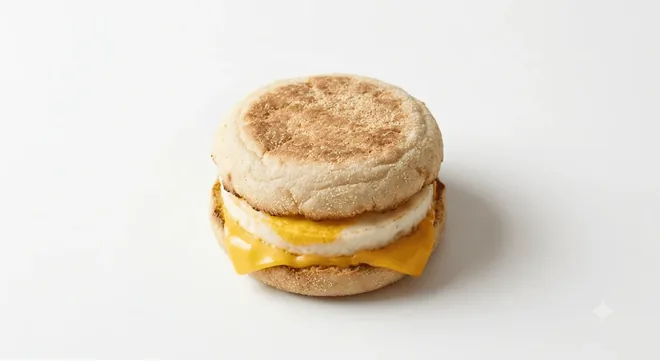
McDonald's Egg and Cheese McMuffin
McDonald's Double Sausage and Egg McMuffin
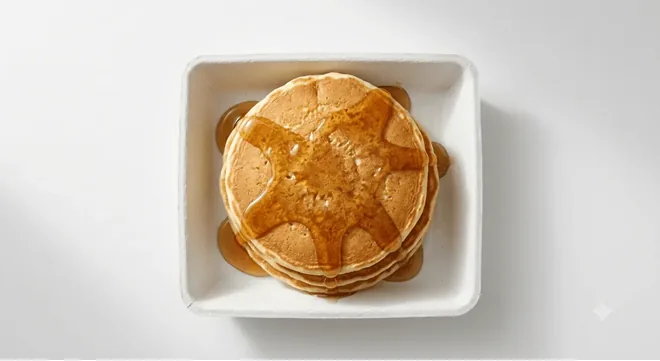
McDonald's Pancakes and Syrup
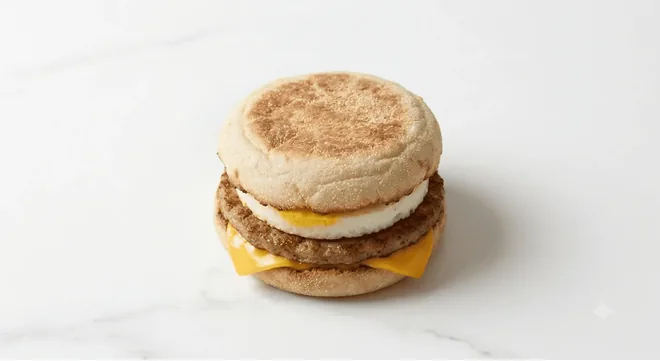
McDonald's Sausage and Egg McMuffin
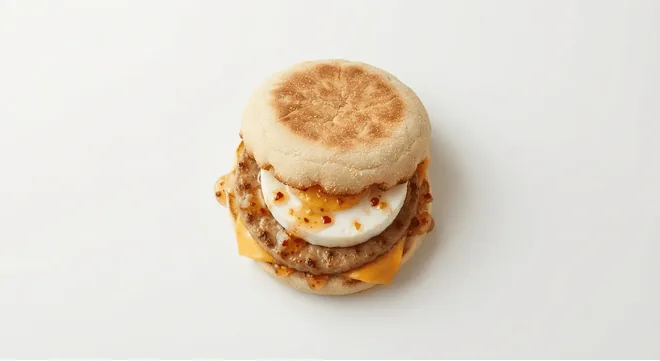
McDonald's Hot Honey Sausage & Egg McMuffin
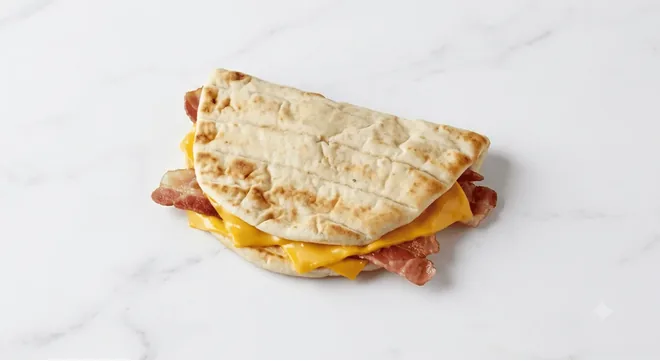
McDonald's Cheesy Bacon Flatbread

McDonald's Pancakes and Sausage with Syrup
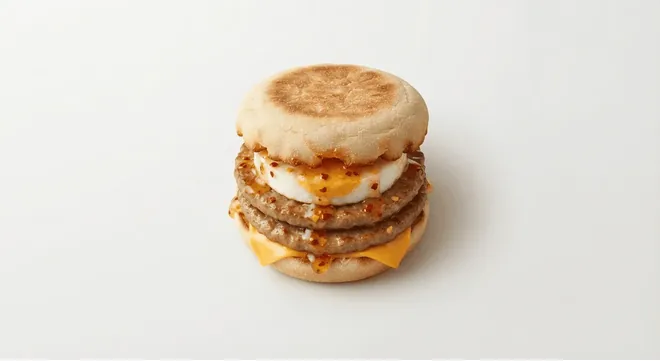
McDonald's Hot Honey Double Sausage & Egg McMuffin

McDonald's Sausage Sandwich with Brown Sauce
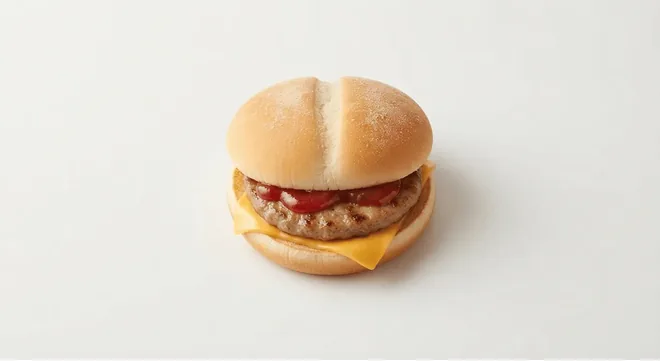
McDonald's Sausage Sandwich with Ketchup
McCafé and Hot Drinks Ranked by Nutrient Profile Score
All 8 McDonald's UK items in this section, ranked by nutrient profile score from lowest to highest. The Cappuccino is lowest at -1 point and the Hot Chocolate is highest at 11 points.

McDonald's Cappuccino

McDonald's Flat White

McDonald's Latte

McDonald's Americano

McDonald's Espresso

McDonald's Tea

McDonald's Toffee Latte

McDonald's Hot Chocolate
Burgers, Chicken and Wraps Ranked by Nutrient Profile Score
All 26 McDonald's UK items in this section, ranked by nutrient profile score from lowest to highest. The 20 Chicken McNuggets Sharebox is lowest at -1 point and the Quarter Pounder with Cheese is highest at 18 points.
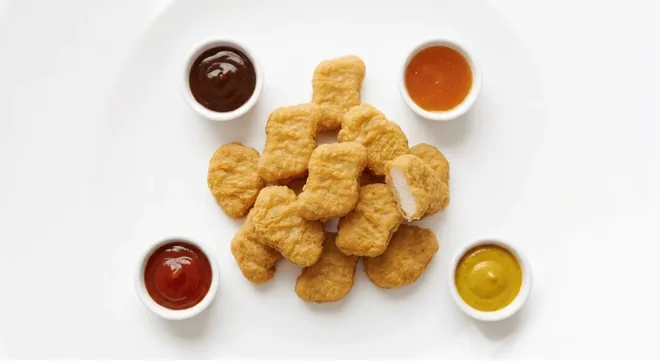
McDonald's 20 Chicken McNuggets Sharebox
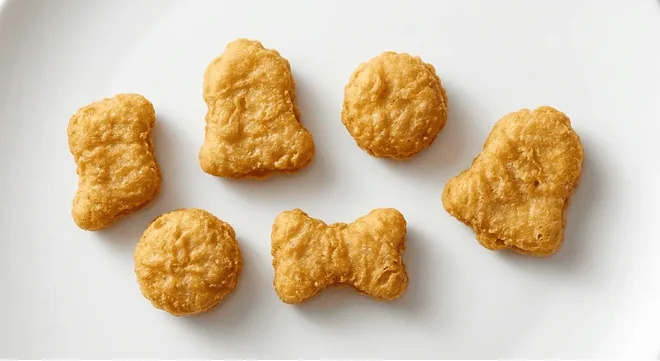
McDonald's Chicken McNuggets (6 pieces)
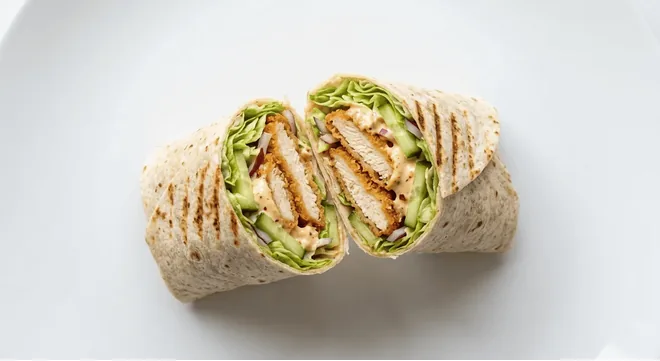
McDonald's Crispy Tikka Chicken Wrap
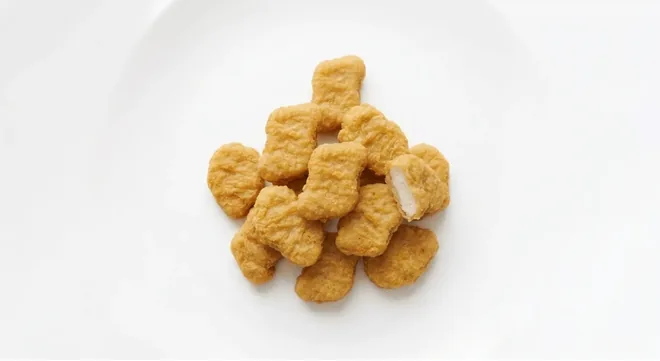
McDonald's Chicken McNuggets (9 pieces)
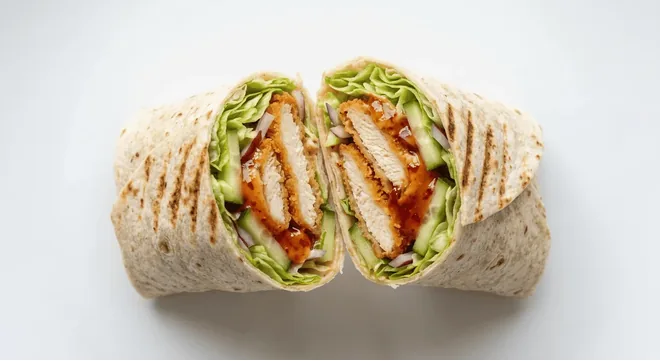
McDonald's Crispy Sweet Chilli Chicken Wrap
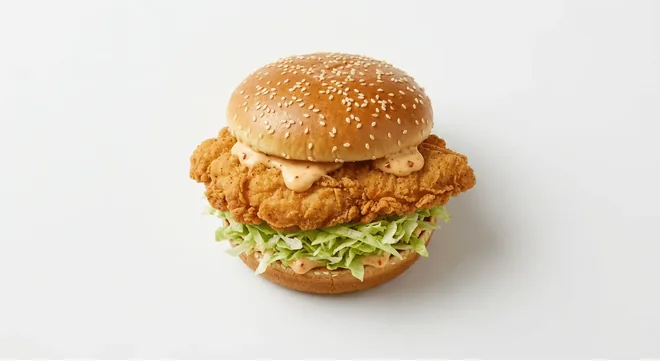
McDonald's Spicy McCrispy
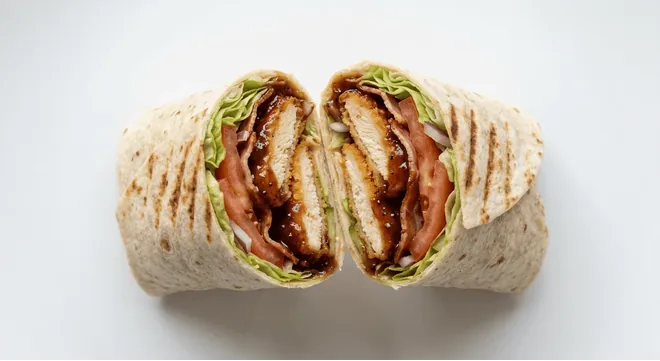
McDonald's Crispy BBQ & Bacon Wrap
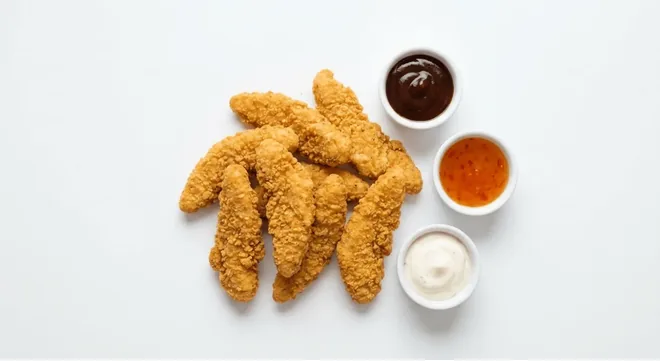
McDonald's 9 Chicken Selects Sharebox
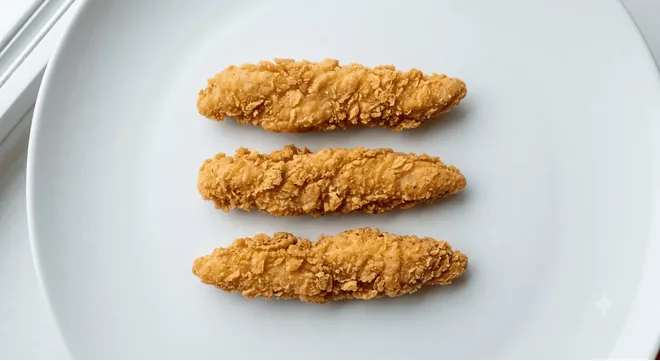
McDonald's Chicken Selects (3 pieces)
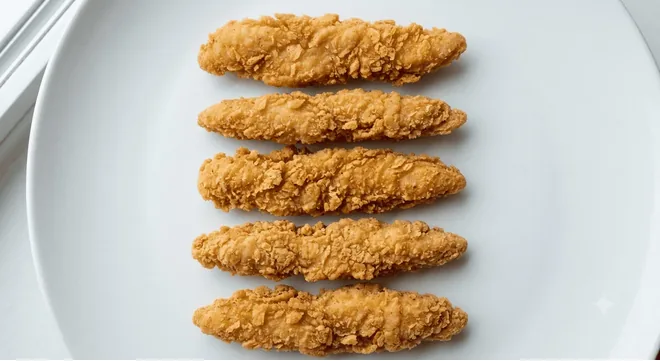
McDonald's Chicken Selects (5 pieces)
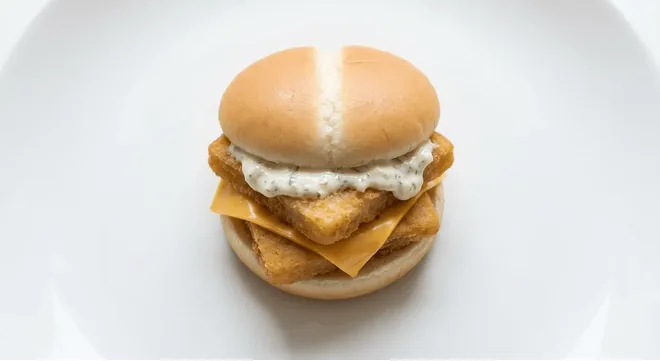
McDonald's Double Filet-O-Fish
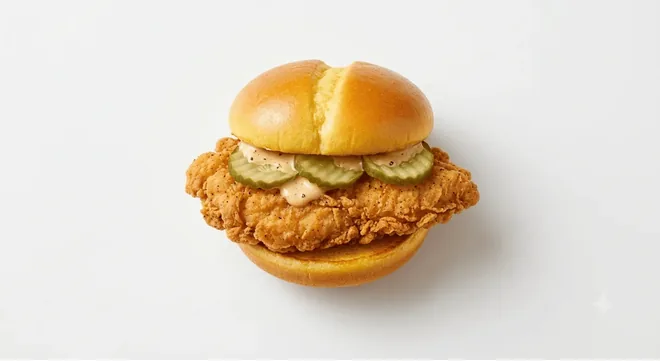
McDonald's McCrispy
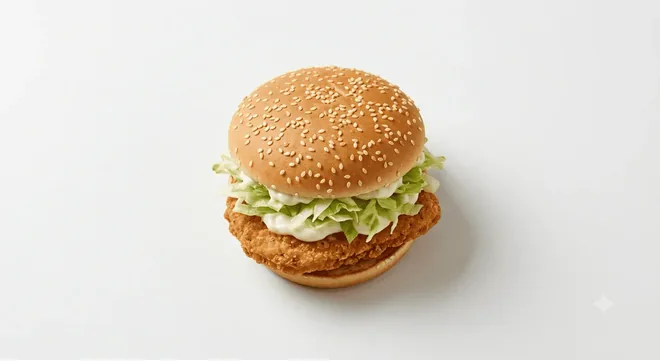
McDonald's Mayo Chicken
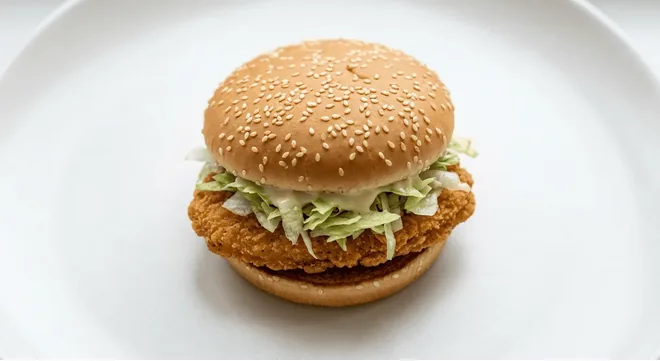
McDonald's McChicken Sandwich
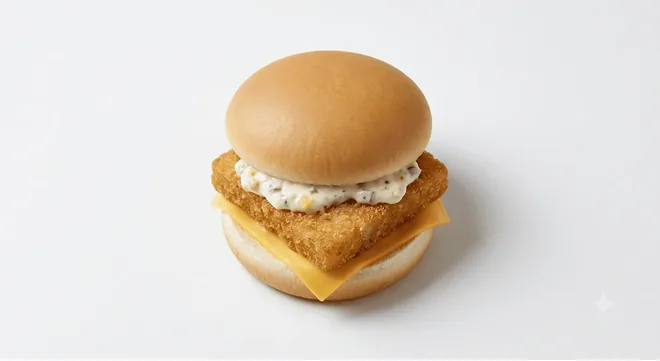
McDonald's Filet-O-Fish
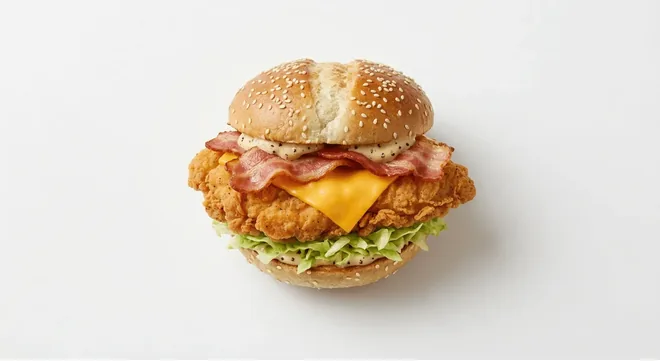
McDonald's Cheese & Bacon McCrispy
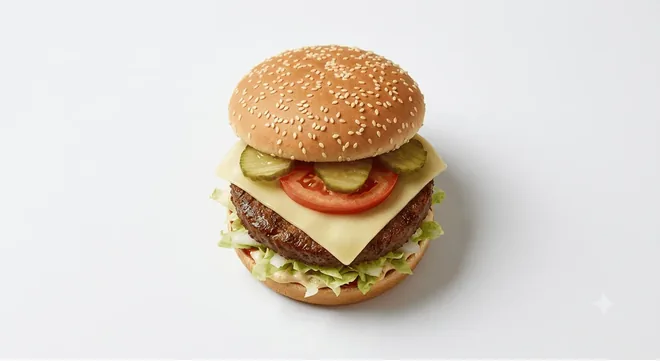
McDonald's McPlant
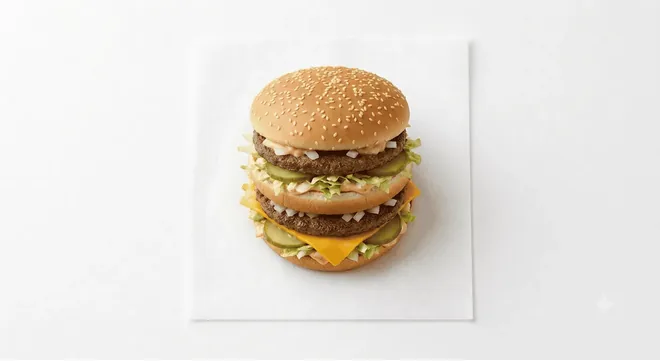
McDonald's Big Mac
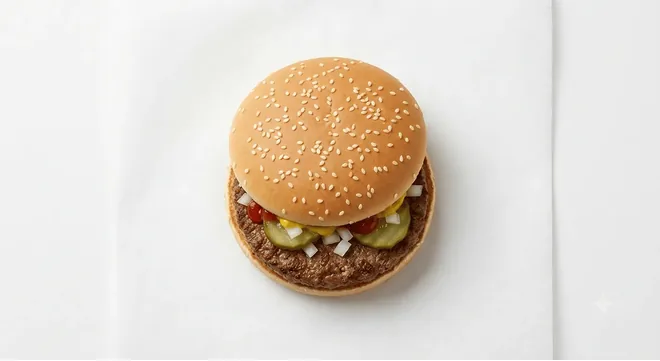
McDonald's Hamburger
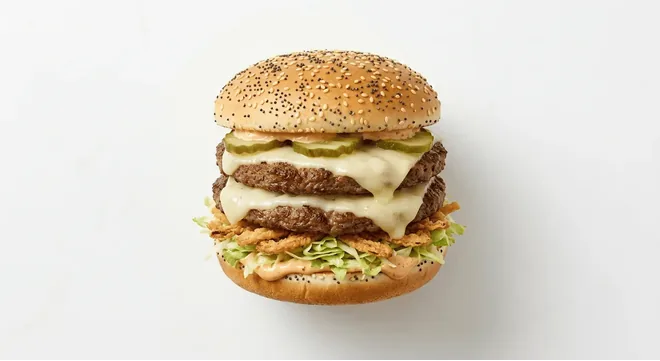
McDonald's Big Arch
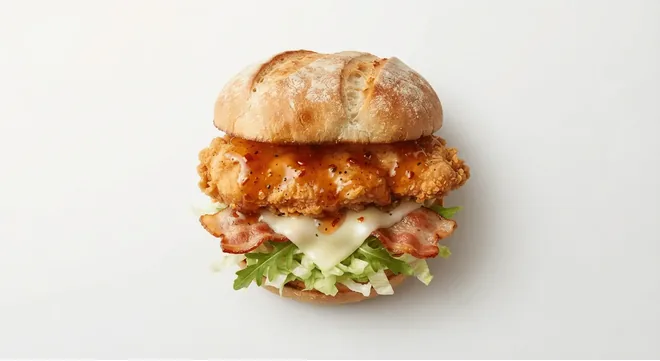
McDonald's Hot Honey McCrispy
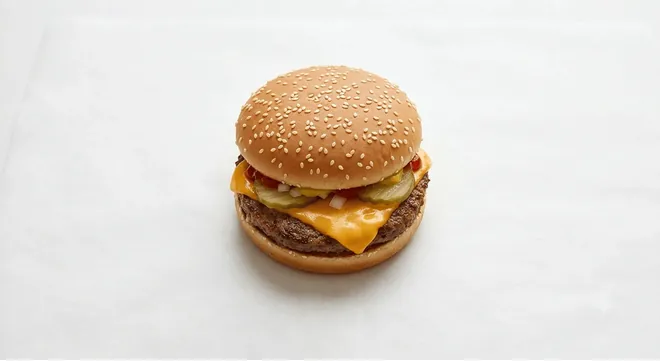
McDonald's Cheeseburger
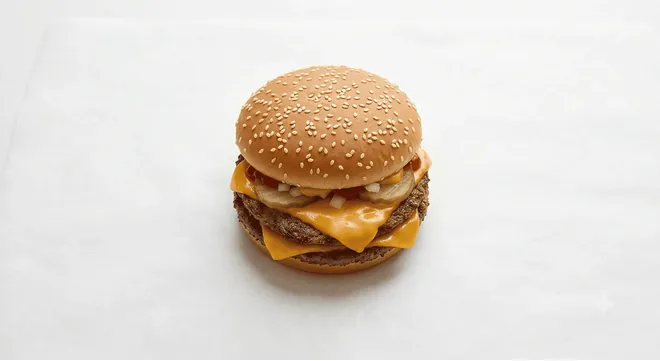
McDonald's Double Cheeseburger

McDonald's Double Quarter Pounder with Cheese
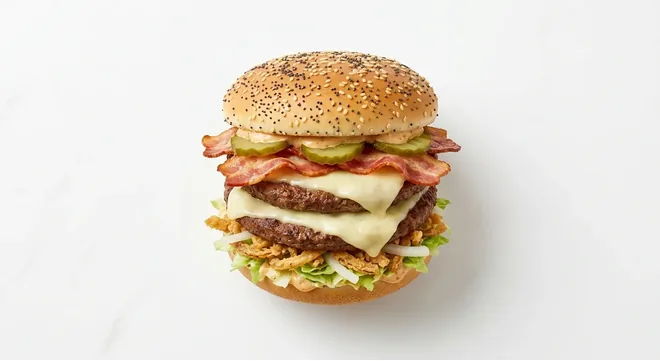
McDonald's Big Arch with Bacon
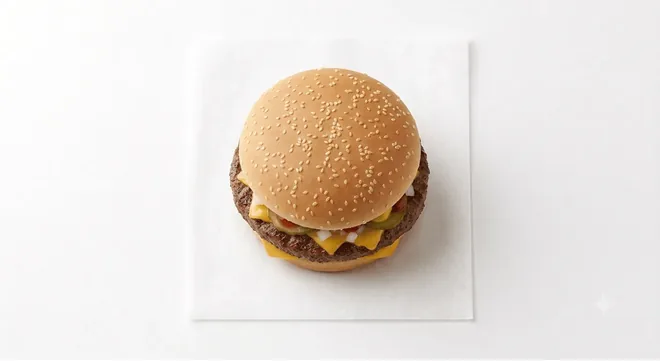
McDonald's Quarter Pounder with Cheese
Cold Drinks and Milkshakes Ranked by Nutrient Profile Score
All 37 McDonald's UK items in this section, ranked by nutrient profile score from lowest to highest. The Brecon Carreg Natural Mineral Water (Still) 330ml is lowest at 0 points and the Vanilla Milkshake (Medium) is highest at 12 points.

McDonald's Brecon Carreg Natural Mineral Water (Still) 330ml
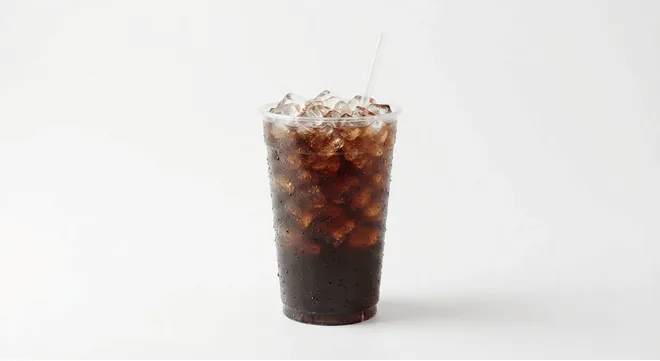
McDonald's Coca-Cola Zero Sugar
McDonald's Diet Coke

McDonald's Fanta Orange Zero
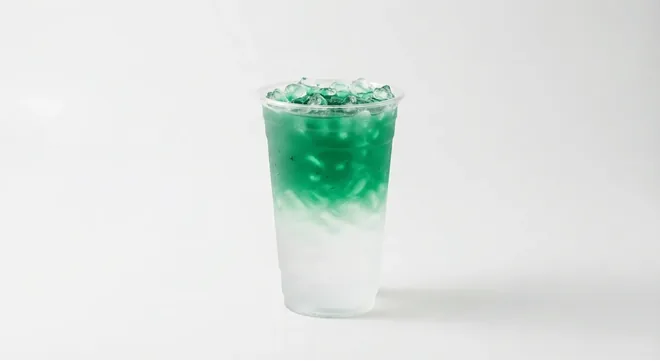
McDonald's Green Apple x Sprite Zero

McDonald's Oasis Summer Fruits Zero

McDonald's Raspberry x Sprite Zero

McDonald's Sprite Zero
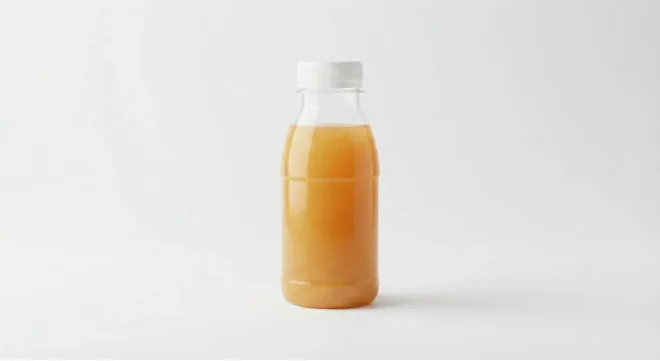
McDonald's Tropicana Apple Juice

McDonald's Tropicana Orange Juice

McDonald's Frozen Cherry Lemonade (Large)

McDonald's Chocolate Milkshake (Small)
McDonald's Frozen Cherry Lemonade (Regular)

McDonald's Banana Milkshake (Small)

McDonald's Strawberry Milkshake (Small)

McDonald's Vanilla Matcha Frappé (Regular)

McDonald's Chocolate Honeycomb Frappé (Regular)
McDonald's Vanilla Matcha Frappé (Large)
McDonald's Vanilla Milkshake (Small)
McDonald's Coca-Cola Classic (Large)
McDonald's Coca-Cola Classic (Medium)
McDonald's Coca-Cola Classic (Small)
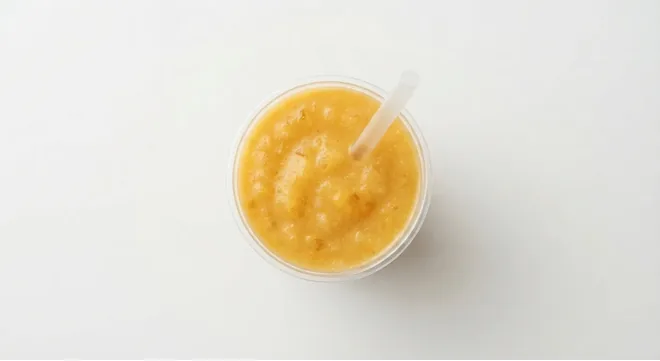
McDonald's Mango & Pineapple Smoothie (Large)
McDonald's Mango & Pineapple Smoothie (Regular)

McDonald's Caramel Iced Frappé (Regular)
McDonald's Chocolate Honeycomb Frappé (Large)

McDonald's Strawberry Candyfloss Frappé (Regular)
McDonald's Banana Milkshake (Large)
McDonald's Banana Milkshake (Medium)
McDonald's Caramel Iced Frappé (Large)
McDonald's Chocolate Milkshake (Large)
McDonald's Chocolate Milkshake (Medium)
McDonald's Strawberry Candyfloss Frappé (Large)
McDonald's Strawberry Milkshake (Large)
McDonald's Strawberry Milkshake (Medium)
McDonald's Vanilla Milkshake (Large)
McDonald's Vanilla Milkshake (Medium)
Desserts Ranked by Nutrient Profile Score
All 14 McDonald's UK items in this section, ranked by nutrient profile score from lowest to highest. The Mixed Berry Muffin is lowest at 8 points and the Sugar Donut is highest at 24 points.
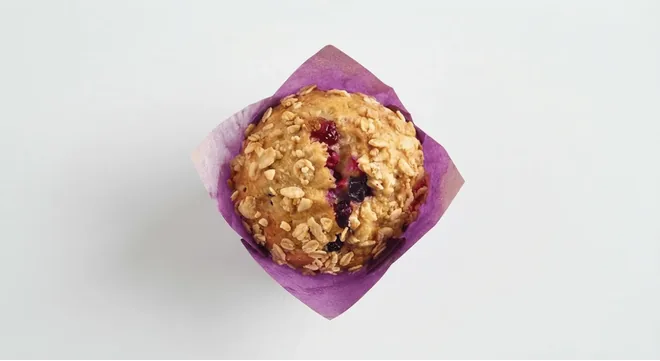
McDonald's Mixed Berry Muffin
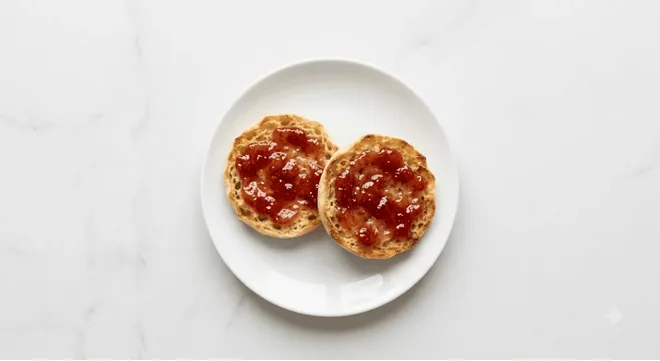
McDonald's Muffin with Jam

McDonald's Cornetto Classico Mini McFlurry
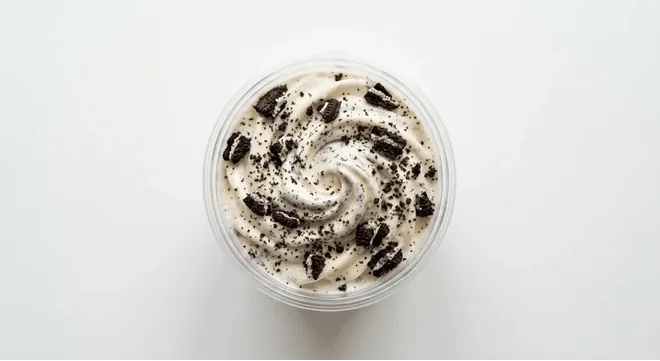
McDonald's Oreo Mini McFlurry
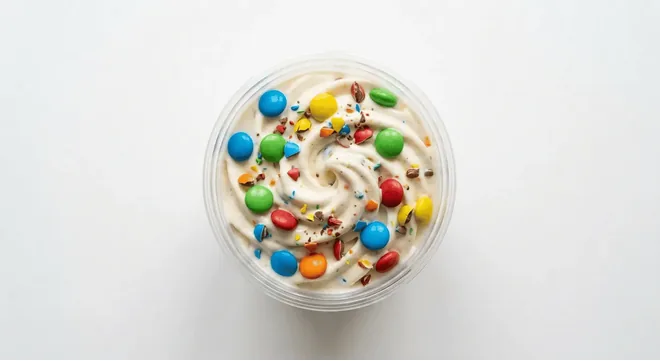
McDonald's Smarties Mini McFlurry
McDonald's Cornetto Classico McFlurry (Regular)

McDonald's Cornetto Strawberry Mini McFlurry
McDonald's Oreo McFlurry (Regular)
McDonald's Smarties McFlurry (Regular)
McDonald's Cornetto Strawberry McFlurry (Regular)
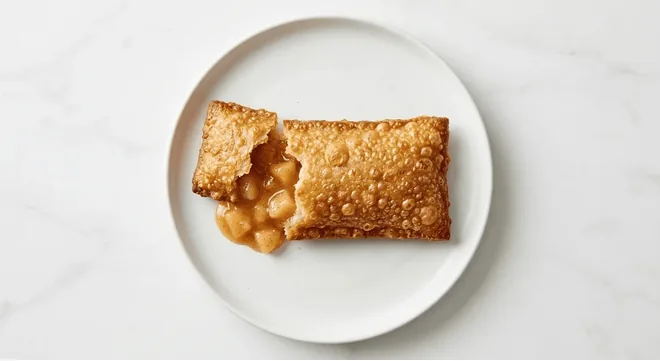
McDonald's Apple Pie
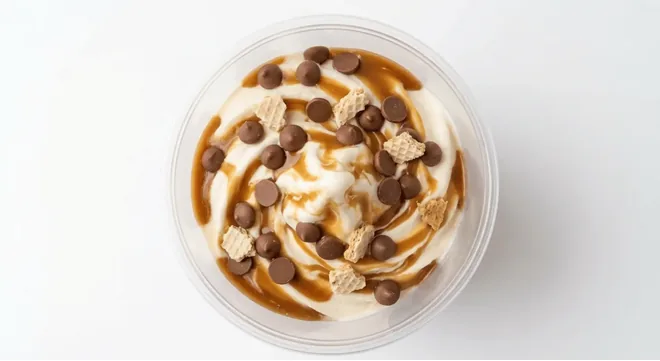
McDonald's Galaxy Caramel McFlurry
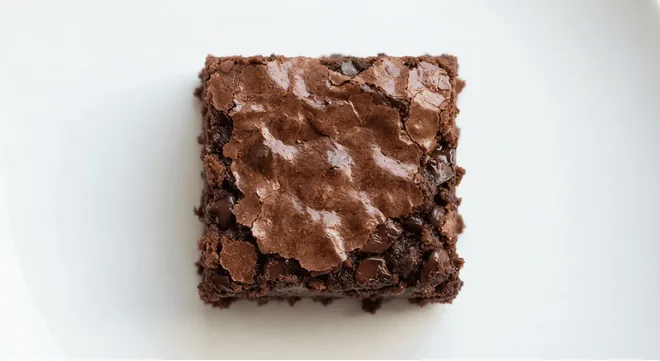
McDonald's Chocolate Brownie
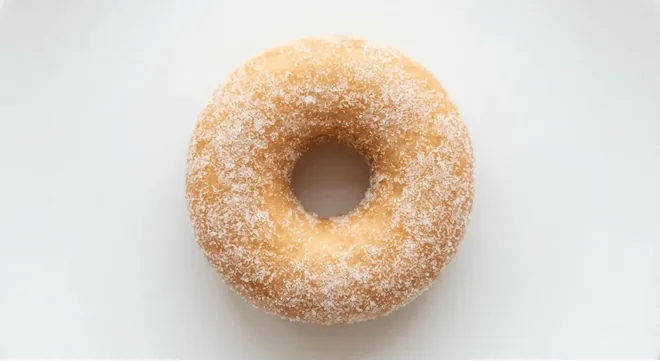
McDonald's Sugar Donut
Scores use the UK nutrient profiling model 2018, published by the Department of Health and Social Care in January 2026, computed per 100g from portion weights collected by Boone. Points are given for energy, saturated fat, free sugars and salt, then subtracted for protein, fibre and fruit, vegetable, nut and seed content. A lower score is better. Foods scoring 4 or more and drinks scoring 1 or more are classed as less healthy.
Fibre is McDonald's own published figure. Fruit and vegetable content is scored only where an item is wholly fruit or vegetables, which covers the Side Salad and the Tropicana juices; it is scored as zero elsewhere, which understates the salads. Free sugars exclude the lactose in dairy, deducted at 1.3g for every gram of milk protein.
Happy Meals are excluded because the model scores products rather than meals, and dips, sauces and other condiments are excluded because a per 100g score is meaningless for a sachet or pot. Discontinued items are excluded. That leaves 109 items.